

Fledermäuse anlocken: So beziehen sie Ihren Fledermauskasten
Fledermäuse anlocken: idealer Standort, Höhe, Sonne, Farbe und Timing für Ihren Fledermauskasten – fundiert nach Bat Conservation International. So ziehen Ihre Fledermäuse schneller ein.


Fledermäuse gehören zu den fleißigsten Helfern in jedem Garten: ein einzelnes Tier kann in einer Nacht Tausende Insekten erbeuten, und mehrere europäische Arten ziehen bereitwillig in ein gut platziertes Quartier ein. Diese Leitfäden zeigen, wo Fledermäuse leben und quartieren, was sie fressen, wie sie den Winter überstehen, und wie Sie einen Fledermauskasten auswählen, montieren und pflegen, damit sich eine Kolonie wirklich ansiedelt.


Alle Fledermäuse Europas sind Insektenfresser. Eine Jagdnacht bringt Nachtfalter, Käfer, Mücken, Zuckmücken, Fliegen und eine lange Liste von Garten- und Kulturschadinsekten – alle im Flug erbeutet, mithilfe der Echoortung. Andere Arten weltweit fressen Früchte, Nektar oder Pollen und leisten echte Bestäubungsarbeit. Unser Leitfaden zur Nahrung der Fledermäuse geht ins Detail.
Nein. Alle Fledermausarten sehen, und mehrere sehen bei schwachem Licht sogar gut. Der Mythos stammt von der Echoortung: Fledermäuse senden hochfrequente Rufe aus und lesen die zurückkehrenden Echos, um Insekten, Äste und Gebäude in vollständiger Dunkelheit zu erfassen. Sehen und Echoortung arbeiten zusammen – das Auge übernimmt größere Entfernungen, Landmarken und die Dämmerungshelligkeit, die Echoortung die Jagd auf kurze Distanz.
In der kalten Jahreszeit verschwinden die Insekten, also halten Fledermäuse Winterschlaf oder sie ziehen weg. Die überwinternden Arten beziehen Höhlen, Stollen, Felsspalten und andere kühle, feuchte, stabile Räume und senken ihre Körpertemperatur wochenlang ab. Andere wandern in wärmere Jagdgebiete nach Süden. Ein Gartenkasten ist ein Sommerquartier – Ihre Kolonie zieht im Herbst ab und kommt im Frühjahr zurück.
Fledermäuse quartieren überall, wo sie eine warme, trockene, ungestörte Spalte finden: unter abstehender Baumrinde, in hohlen Stämmen, in Felsspalten und Höhlen, in Brückenfugen, Scheunen und Gebäudehohlräumen. Wochenstuben brauchen im Sommer Wärme und Ruhe, Winterquartiere Kühle und Feuchte. Da alte Bäume und Nebengebäude verschwinden, ersetzt ein montierter Kasten den verlorenen Quartierraum. Fledermäuse und Menschen kommen besser miteinander aus, als die meisten annehmen.
Fledermäuse meiden Menschen. Sie greifen nicht an, sie sind nicht aggressiv, und ein gesundes Tier hat an Ihrer Terrasse und an Ihrem Hund kein Interesse. Zwei Regeln genügen: fassen Sie eine Fledermaus nie mit bloßen Händen an, und halten Sie Haustiere von jeder am Boden gefundenen Fledermaus fern – ein Tier am Boden ist meist krank oder verletzt. Katzen in der Dämmerung im Haus zu lassen, hilft beiden Seiten.
Tollwut ist bei Fledermäusen selten, und die überwiegende Mehrheit der Tiere, die Sie je zu sehen bekommen, ist gesund. Eine Übertragung setzt einen Biss oder eine Kratzwunde voraus, nicht bloße Nähe – wer eine Fledermaus nie mit bloßen Händen anfasst, schließt damit fast das gesamte Risiko aus. Nach einem Biss oder Kratzer, oder wenn Sie mit einer Fledermaus im Zimmer aufwachen, wenden Sie sich sofort an einen Arzt und an das Gesundheitsamt und folgen Sie deren Anweisungen.
Die Zahl von 1.000 Mücken pro Stunde wird überall zitiert. Sie stammt aus einem Fütterungsversuch im Labor, nicht aus einem Garten, und die tatsächliche Nahrung ist deutlich breiter: Nachtfalter, Käfer, Zuckmücken, Fliegen und Kulturschadinsekten machen in einer Nacht meist mehr aus als Mücken. Fledermäuse sind wirklich wirksam gegen Insekten. Nehmen Sie diese Zahl als Obergrenze, nicht als nächtlichen Durchschnitt.
Machen Sie die Grundlagen richtig, dann finden die Fledermäuse Sie. Montieren Sie hoch, in direkter Sonne, an einem Mast oder Gebäude statt an einem Baum, in Reichweite eines Gewässers, falls vorhanden – und lassen Sie den Kasten dann in Ruhe. Verzichten Sie auf Pestizide, damit es etwas zu jagen gibt. Unser vollständiger Leitfaden zum Anlocken von Fledermäusen geht jeden Faktor der Reihe nach durch.
Geduld gehört dazu. Die meisten Kästen bekommen ihre ersten Bewohner innerhalb von zwei bis sechs Monaten, meist im Frühjahr oder Frühsommer, wenn Fledermäuse ein Sommerquartier suchen. Große Mehrkammer-Kästen können zwei bis drei Jahre brauchen, bis sie voll sind – das ist normal und kein Fehler. Ist bis zur zweiten Saison nichts eingezogen, prüfen Sie Höhe, Ausrichtung und Sonneneinstrahlung, bevor Sie den Kasten umhängen.
Montieren Sie auf 4,5 m oder höher, nach Süden bis Südosten ausgerichtet, damit sich der Kasten früh aufwärmt und die Wärme über den Tag hält. Direkte Sonne zählt mehr als fast alles andere: sechs Stunden oder mehr sind das Ziel. Halten Sie den Abflugbereich darunter frei. Alle Details in unseren Leitfäden zum Anbringen eines Fledermauskastens und zur Wahl des Standorts.
Möglich ist es, aber ein Mast oder eine Hauswand funktioniert besser. Bäume verschatten den Kasten, Äste versperren den Abflugbereich, und Prädatoren klettern. Ein Kasten am Baum braucht etwa doppelt so lange, bis eine Kolonie einzieht. Ist der Baum Ihre einzige Möglichkeit, nehmen Sie den sonnigsten und freistehendsten, montieren Sie so hoch, wie es sicher geht, und halten Sie mindestens 6 m Abstand zu umgebenden Ästen.
Die Kammerzahl bestimmt sowohl die Kapazität als auch die Temperaturspanne, aus der eine Kolonie wählen kann. Eine Kammer passt zu einer kleinen Männchengruppe und zum ersten Kasten. Zwei Kammern erlauben den Wechsel zwischen wärmerer und kühlerer Seite im Tagesverlauf. Drei Kammern nehmen eine vollständige Wochenstube auf und puffern Temperaturschwankungen am besten. Alle drei im Vergleich in unserem Kammer-Leitfaden.
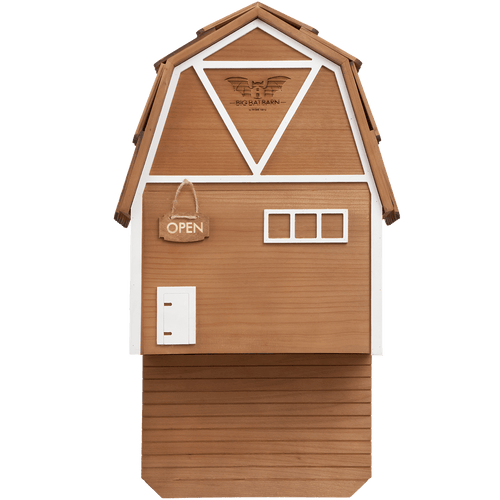
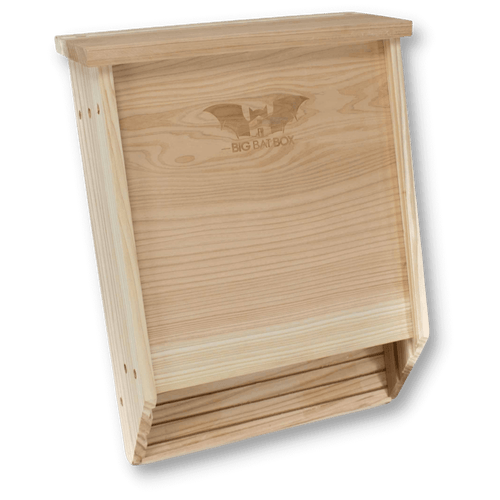
Handcrafted cedar habitats, built around how bats actually roost — mount one, leave it alone, and let the colony find it.
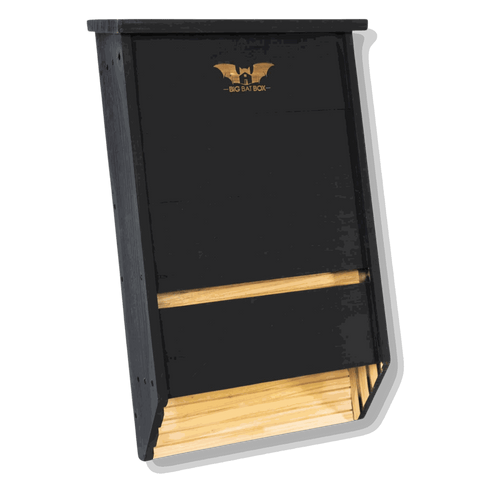
$159.90
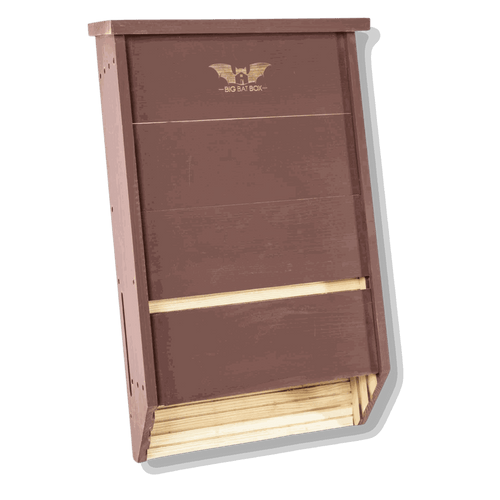
$159.90
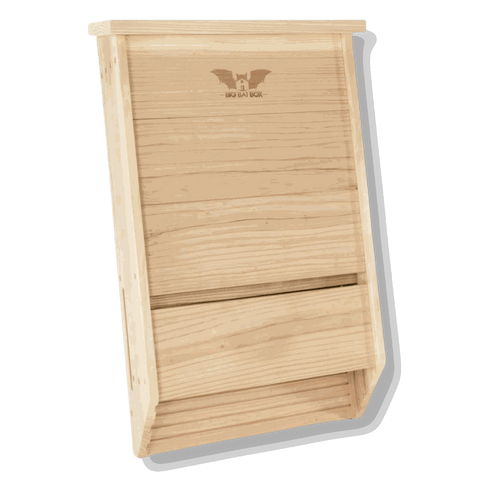
$159.90
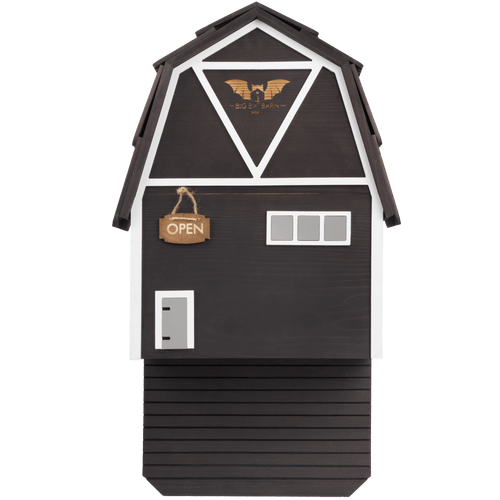
$89.95
$89.95

$42.99

$42.99
$42.99
