Handgefertigt aus 100 % Zedernholz, verbindet dieser Futterspender für draußen ein Stützbrett für den Schwanz, ein wetterfestes Dach und ein rostfreies Metallgitter – ausgelegt darauf, Fettfutter so anzubieten, wie kletternde Vögel wirklich fressen, und dabei im Garten nicht wie ein Fremdkörper zu wirken.
Auf die Details gebaut, die zählen
-
Stützbrett für den Schwanz – Spechte und andere Kletterer können sich absetzen und in Ruhe fressen. Genau dieses Detail lassen schwächere Halter weg, und genau deshalb bleiben die Vögel hier.
-
Rostfreies Metallgitter – hält die Knödel sicher und trotzt dem Wetter, Saison für Saison.
-
Platz für 2 Meisenknödel – der doppelte Käfig nimmt zwei auf einmal auf, Nachfüllen ist seltener nötig.
-
Ganz aus Zedernholz – handgefertigt, wetterfest und ein Blickfang in jedem Garten.
-
Mehrere Futterarten – Meisenknödel, Futterblöcke, Obst und Nistmaterial, je nach Jahreszeit.
-
Aufklappbares Dach und Gitter – öffnen weit, für Nachfüllen mit einer Hand und schnelles Reinigen.
-
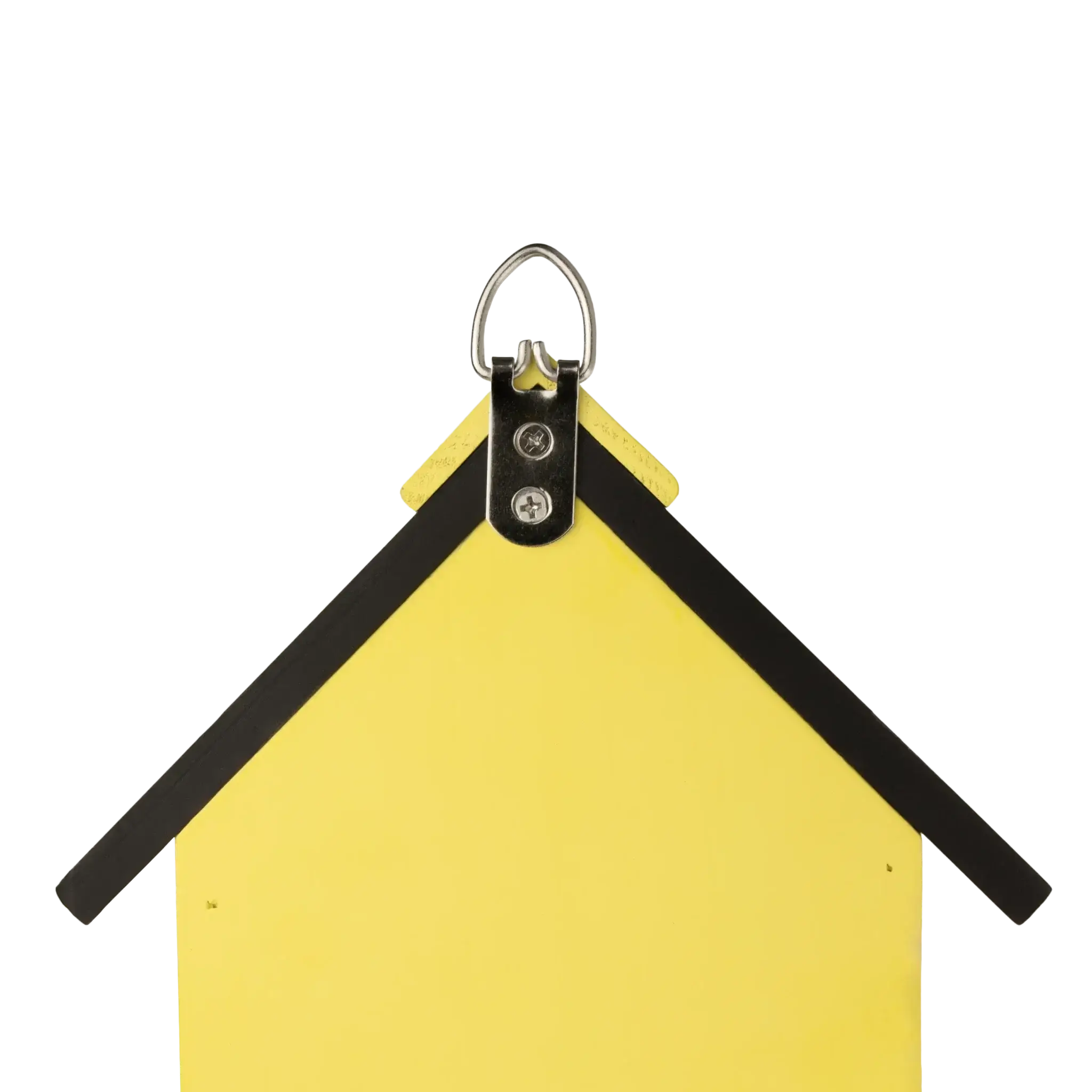
Kommt fertig montiert – Haken und Aufhängung liegen bei, bereit für Ast, Haken oder Stange am selben Nachmittag.
Maße
- Länge: 31 cm
- Breite: 9 cm
- Höhe: 21 cm
- Gewicht: 430 g
Für die Gefiederten gemacht
Fettfutter ist die energiereiche Nahrung, zu der kletternde Vögel das ganze Jahr zurückkommen, und dieser Halter ist dafür gebaut, sie anzuziehen. Zu erwarten sind Spechte, Kleiber, Meisen, Eichelhäher und Stare – und je mehr davon Sie versorgen, desto lebendiger wird der Garten. Das Stützbrett macht daraus einen echten Halter für Spechte und nicht bloß ein Zubehörteil: Die Vögel, mit denen andere Futterspender nicht zurechtkommen, bleiben hier.
So füllen Sie ihn
Meisenknödel · Futterblöcke · Obst · Nistmaterial.
Zwei frische Knödel in das Gitter legen, den Halter an Ast, Haken oder Stange hängen – den Rest erledigt der WildYard Meisenknödelhalter. Spechte und andere Kletterer finden ihn schnell und kommen wieder. Handgefertigtes Zedernholz. Gebaut, um zu bleiben. Ausgelegt auf die Art, nicht auf einen Trend.
Etwas für die Tierwelt vor der Haustür tun
Energiereiches Futter hilft Gartenvögeln durch die Zeiten, in denen natürliche Nahrung knapp wird, und eine vielfältige Vogelwelt ist ein Zeichen für einen Garten im Gleichgewicht. Als Mitglied von 1% for the Planet gibt WildYard 1 % des Jahresumsatzes an geprüfte Umweltorganisationen und arbeitet mit Nationalparks zusammen, um Lebensräume auch jenseits des Gartenzauns zu erhalten.