











Eulenrufe erkennen: Gesang, Schrei, Quietschen und Zischen
Eine Klangbestimmung für heimische Eulen: Waldkauz, Schleiereule, Waldohreule, Steinkauz, Uhu, Raufußkauz und Sperlingseule – und wie sich Fuchs, Waschbär und Igel davon unterscheiden.


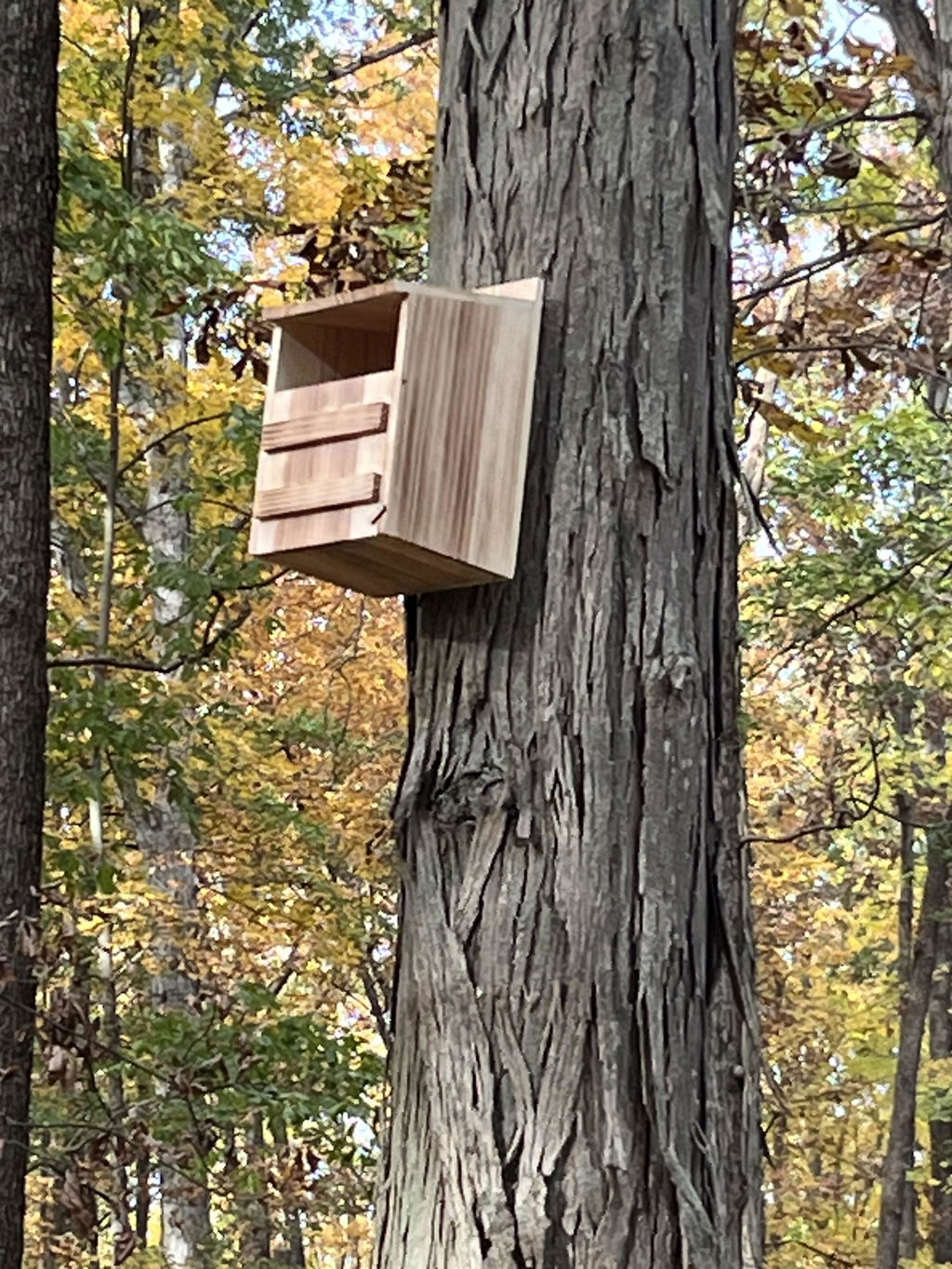
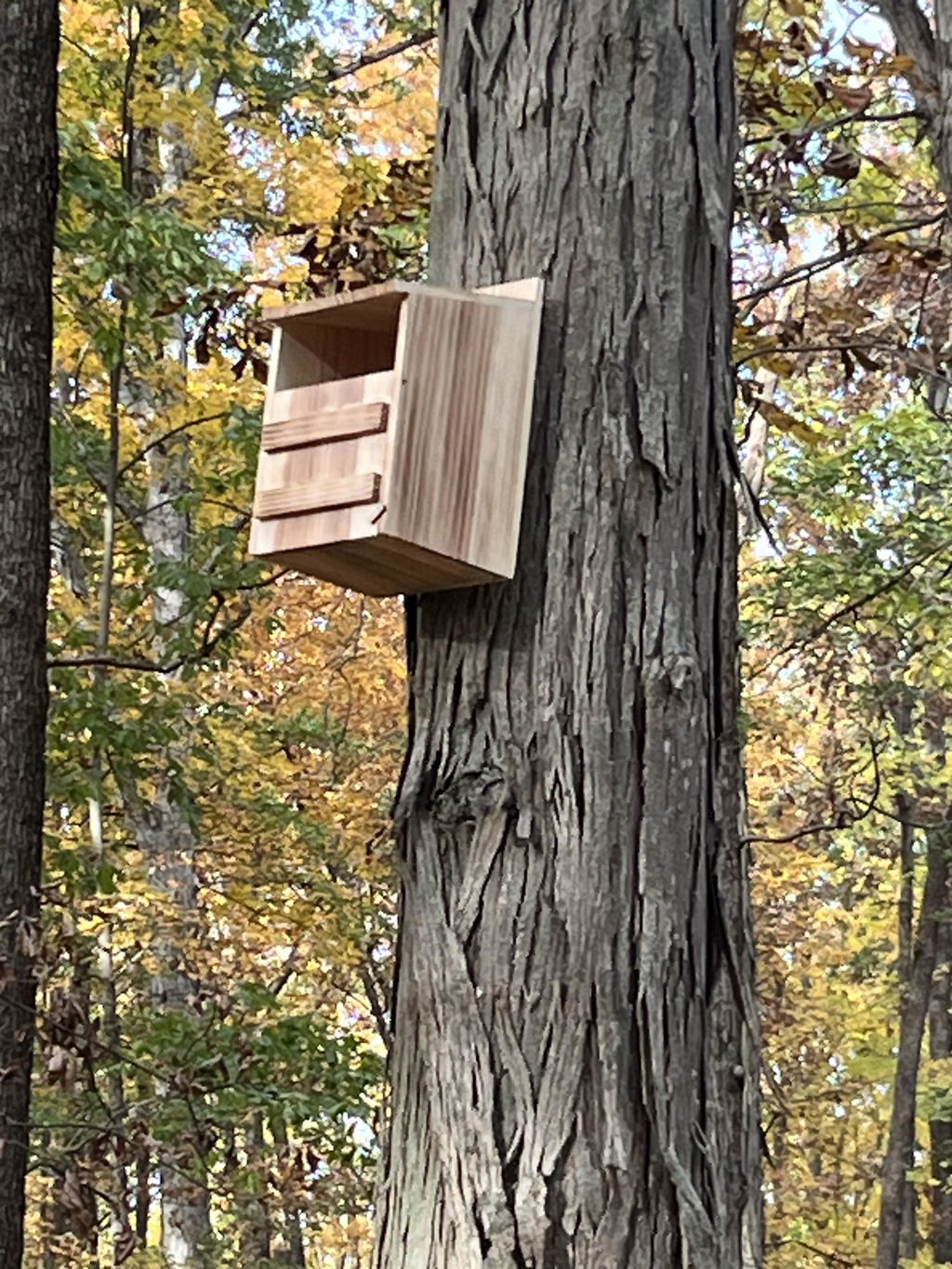
Der WildYard Eulenkasten bietet dem Raufußkauz und anderen kleinen bis mittelgroßen Waldeulen eine sichere, wetterfeste Nisthöhle — und ersetzt die natürlichen Baumhöhlen, auf die diese Vögel angewiesen sind. Einmal installiert, sorgen Eulen jede Nacht leise und ganz ohne Chemie für natürliche Nagetierkontrolle.
Kleine Waldeulen wie der Raufußkauz jagen Mäuse, Wühlmäuse, Spitzmäuse und größere Insekten und tragen so zu einem ausgewogenen Gartenkosystem bei — ganz ohne Fallen oder Gift. Ein Brutpaar zieht meist 3–5 Jungvögel pro Jahr groß.
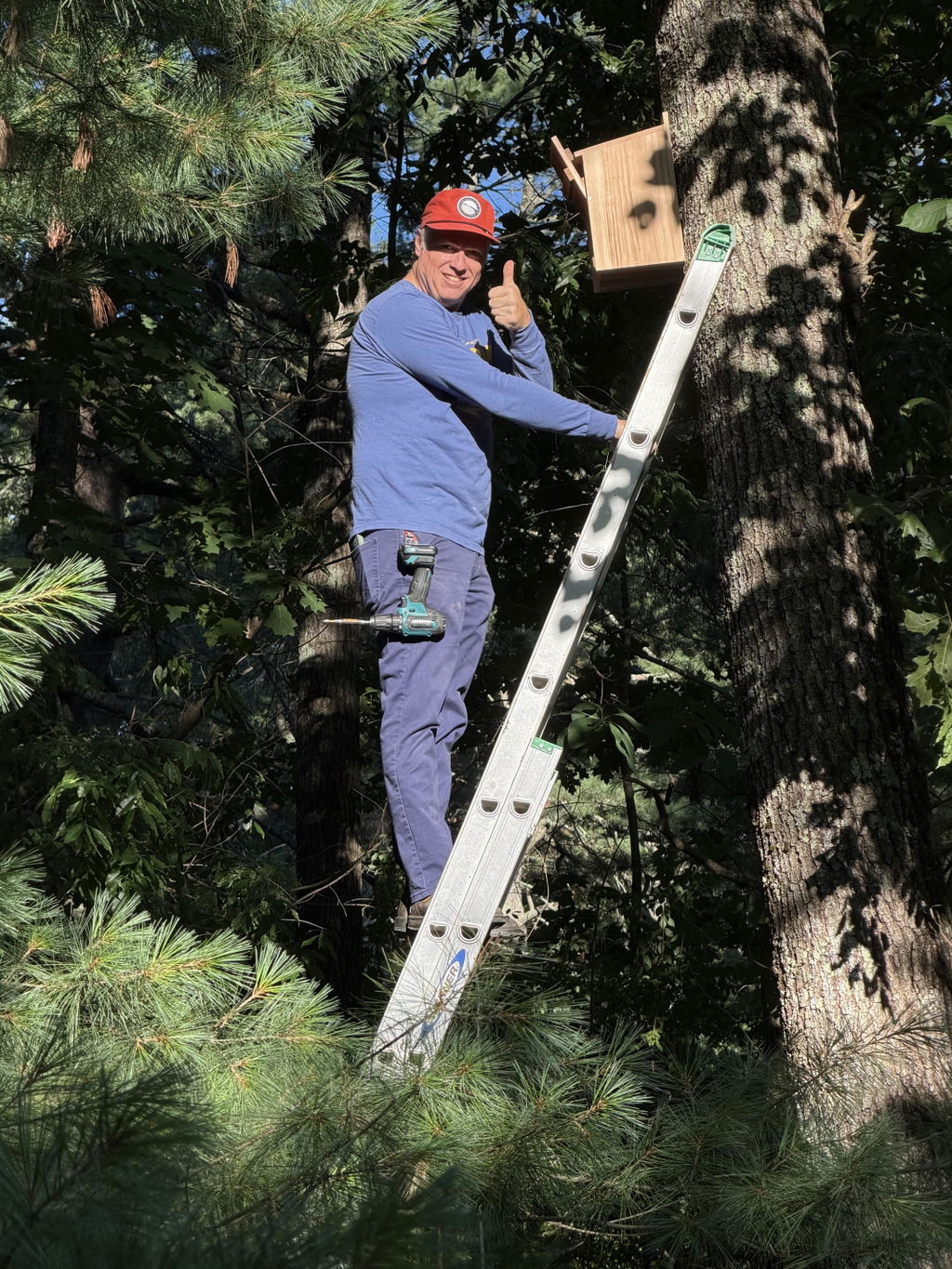
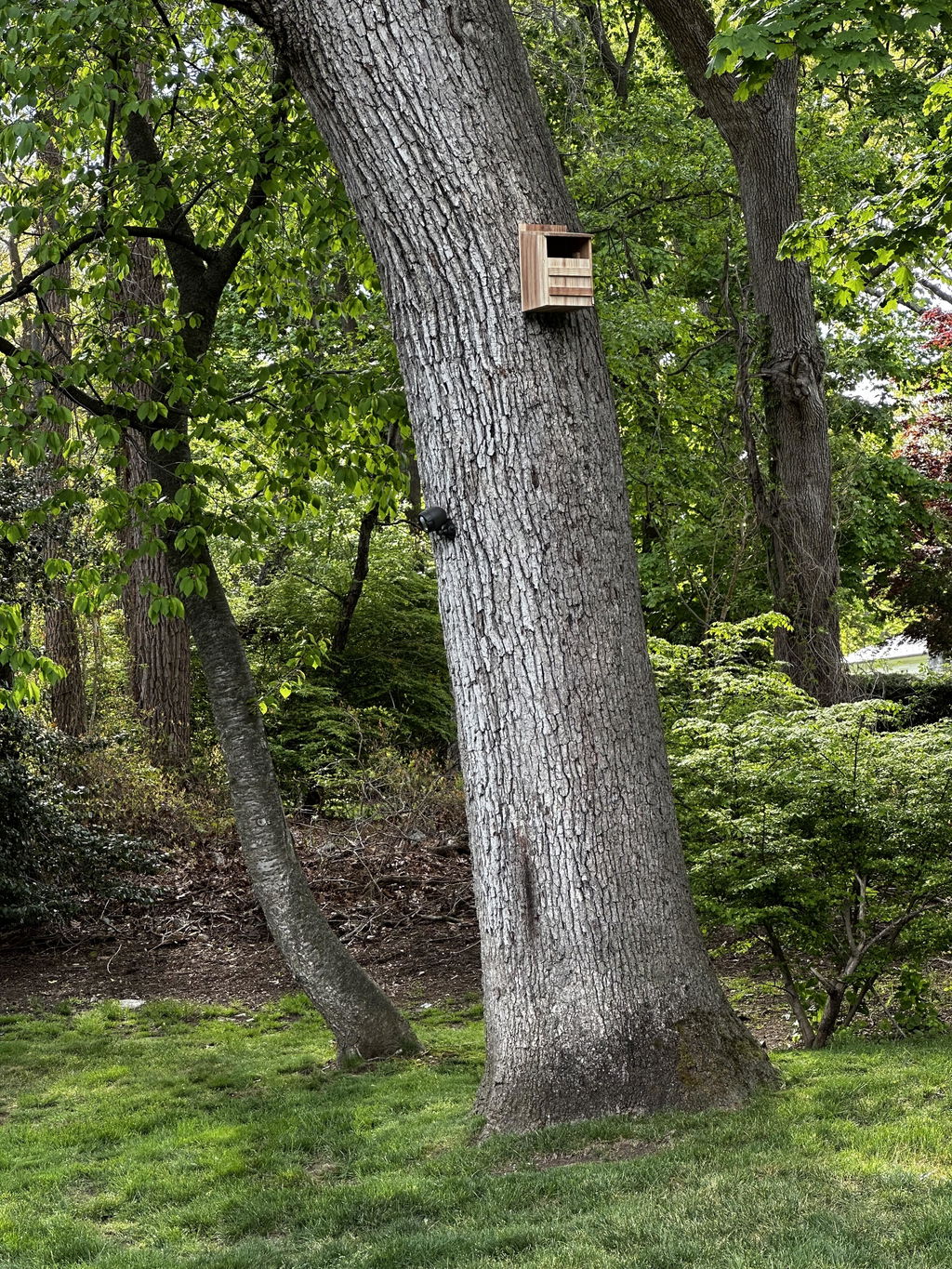
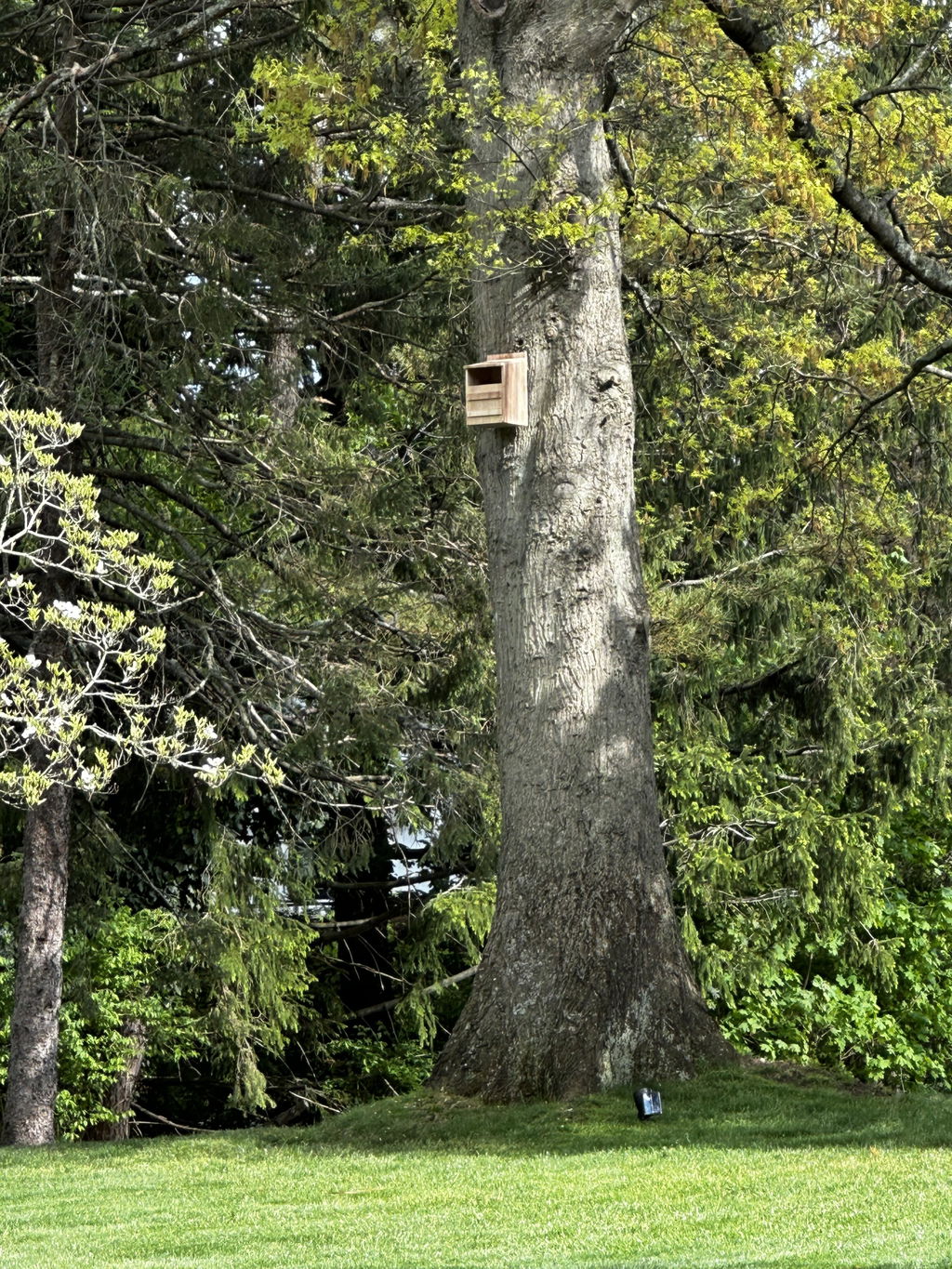
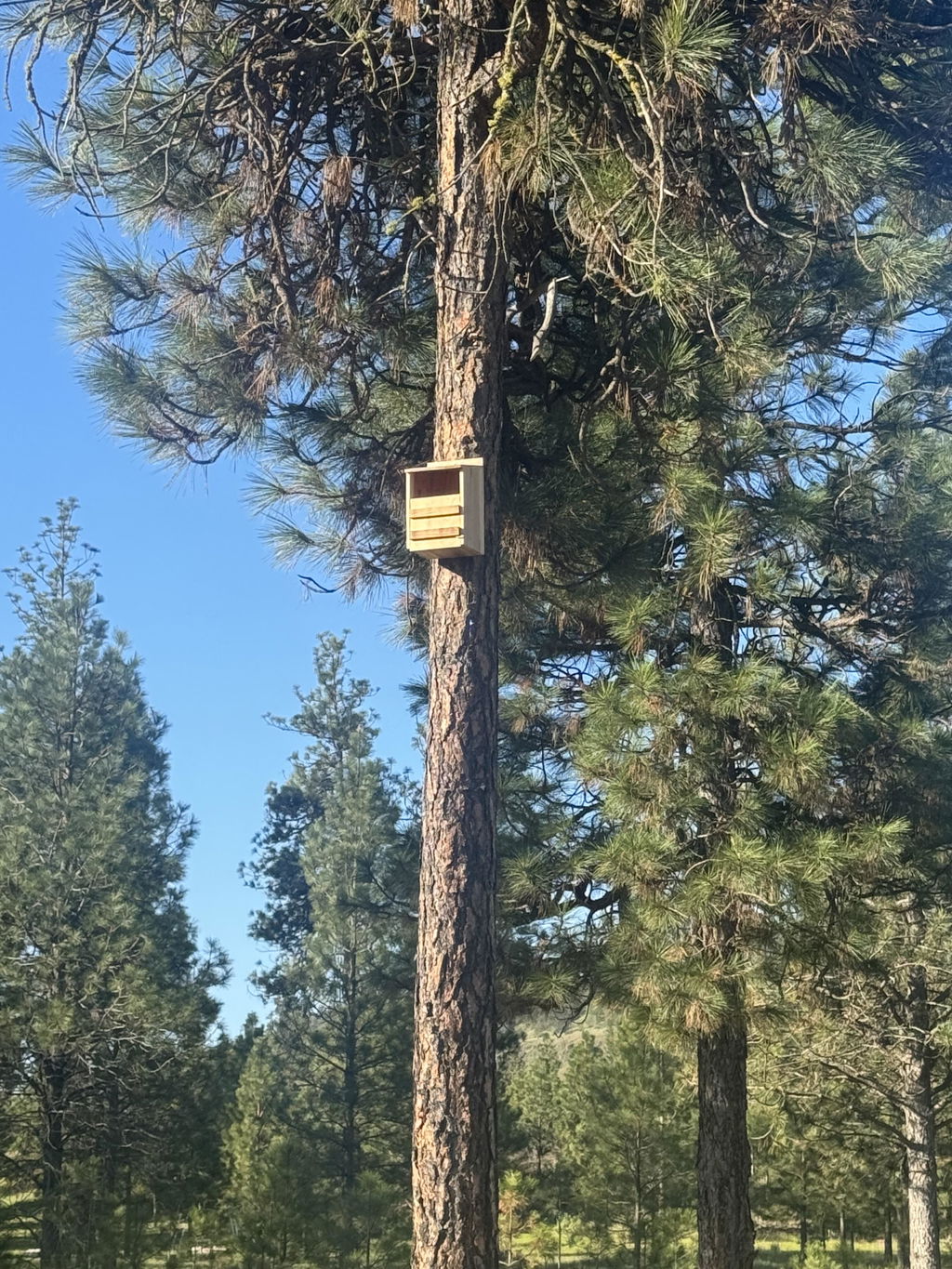
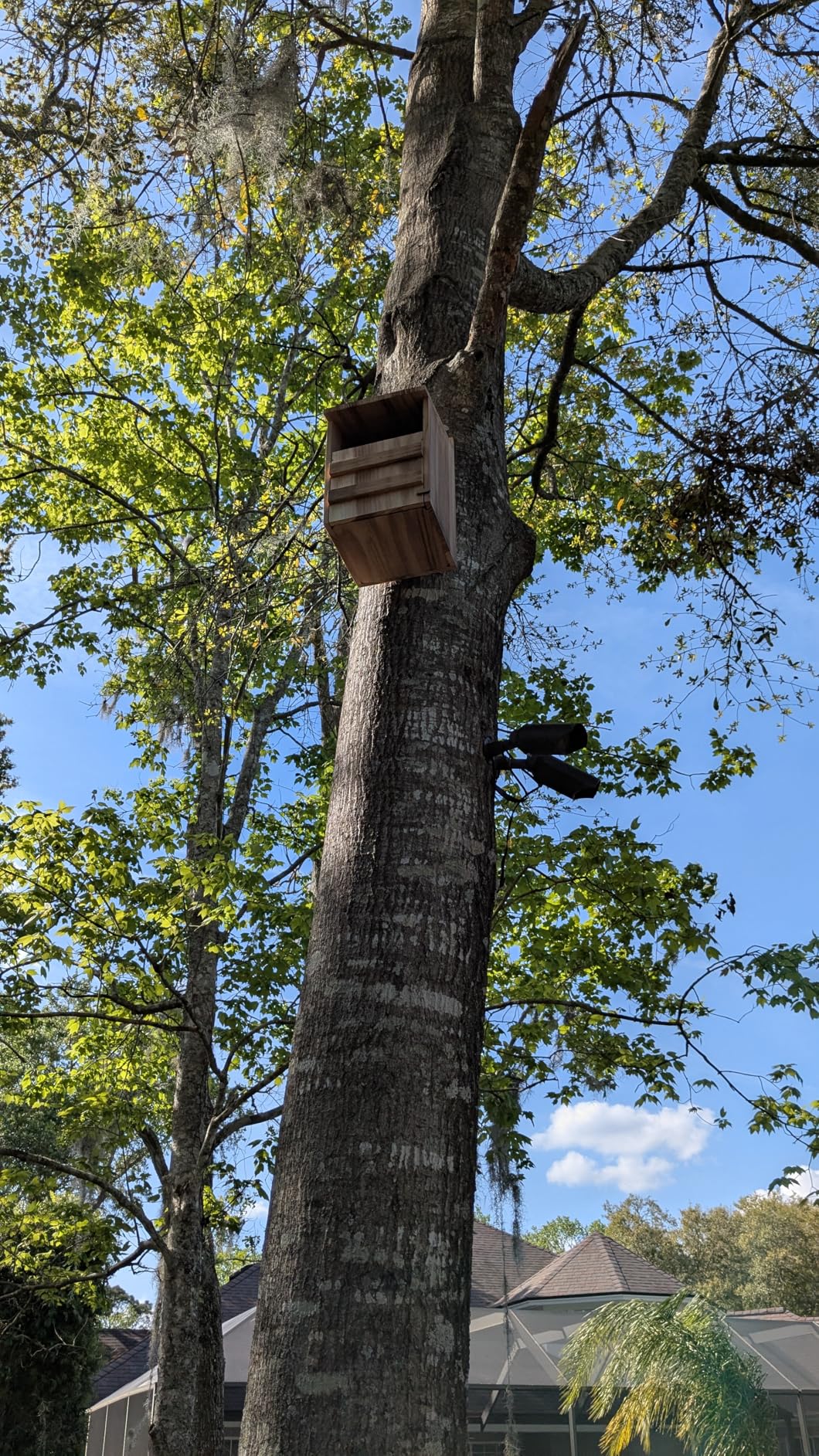
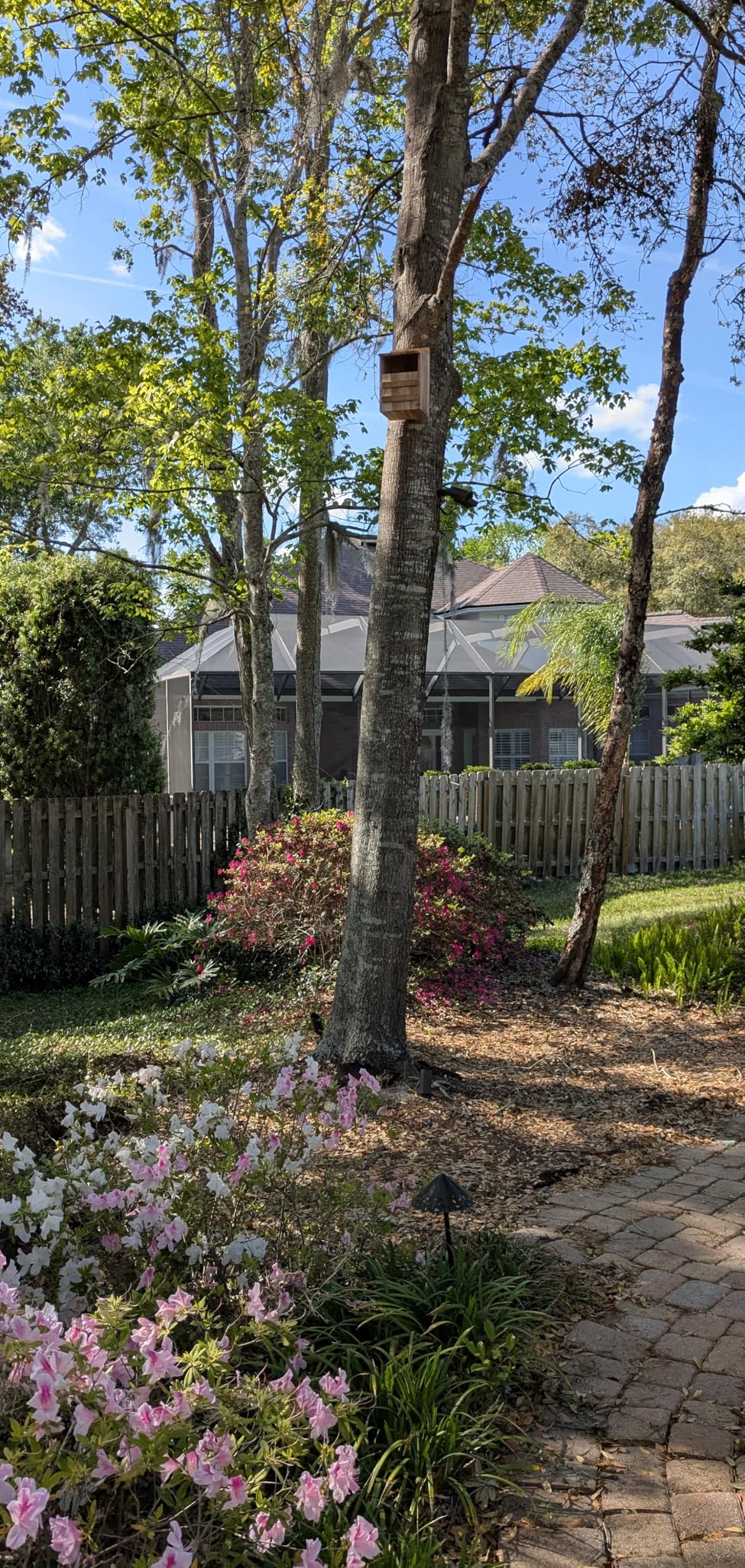
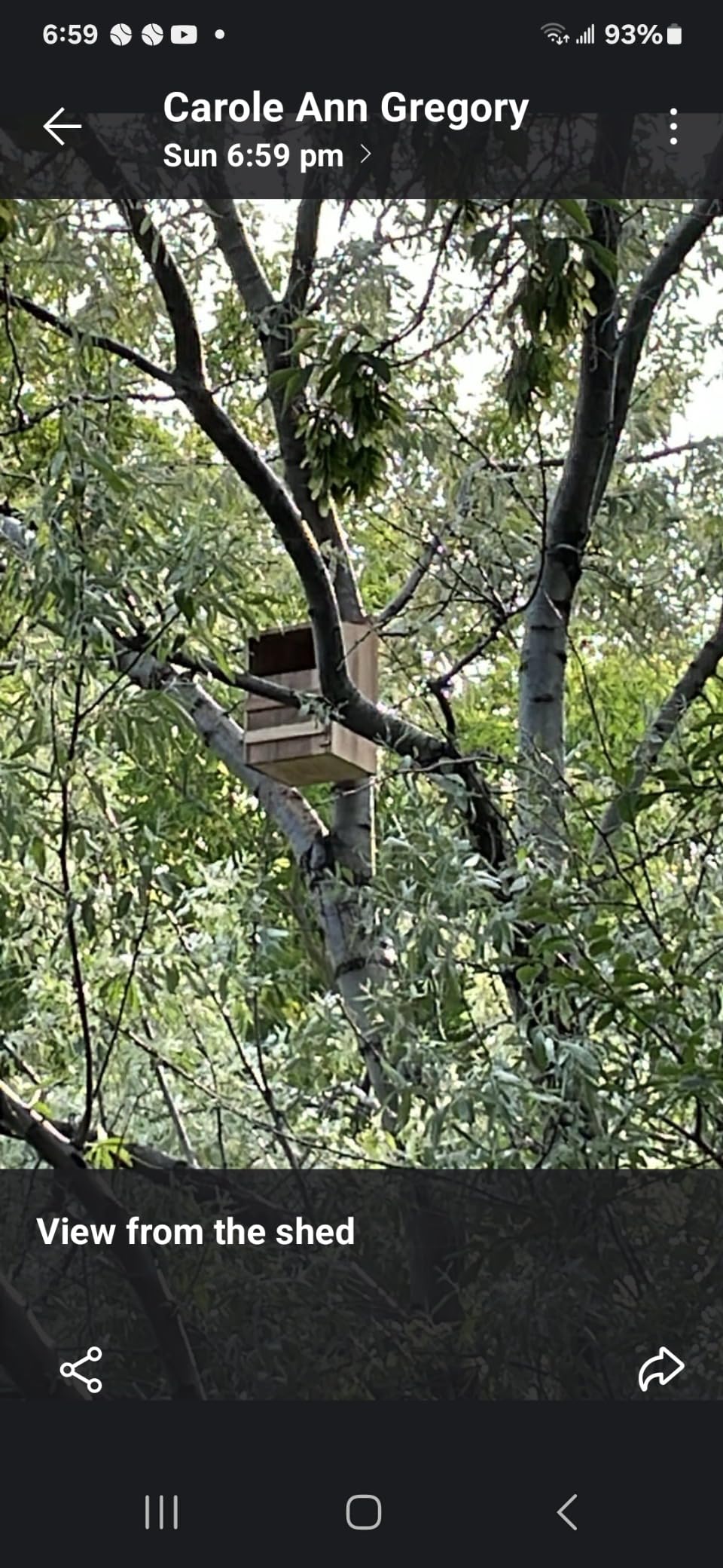
Damit Ihr Eulenkasten möglichst schnell Bewohner findet, montieren Sie ihn 3–4,5 m über dem Boden an einem stabilen Baum, Pfosten oder Schuppen in der Nähe offener Flächen, Wiesen oder Waldränder, wo Eulen gut jagen können.
Richten Sie den Eingang von der Hauptwindrichtung weg aus, damit der Nistbereich geschützt bleibt — in nördlichen Lagen idealerweise nach Südosten. Wählen Sie einen ruhigen Standort fernab von hellem Außenlicht und starkem Fußverkehr, und vermeiden Sie dichte Äste direkt unter dem Einflugloch, die Fressfeinden Zugang verschaffen könnten.
Die richtige Platzierung schafft einen sicheren, ruhigen Nistplatz, zu dem Eulen Jahr für Jahr zurückkehren.
In Deutschland stehen alle heimischen Eulenarten unter besonderem Schutz (§44 BNatSchG). Das Aufstellen eines Nistkastens selbst ist nicht genehmigungspflichtig.

Kaufen Sie es mit
$49.99

Kaufen Sie es mit

Kaufen Sie es mit
$24.95
OUT IN THE #WILDYARD
A closer look at the owl box.

Our original owl box in natural cedar. Thick cedar walls keep the nest warm on cool spring nights, and the built-in perch, predator-safe entry and easy-clean swing door make it a reliable home for screech and saw-whet owls.

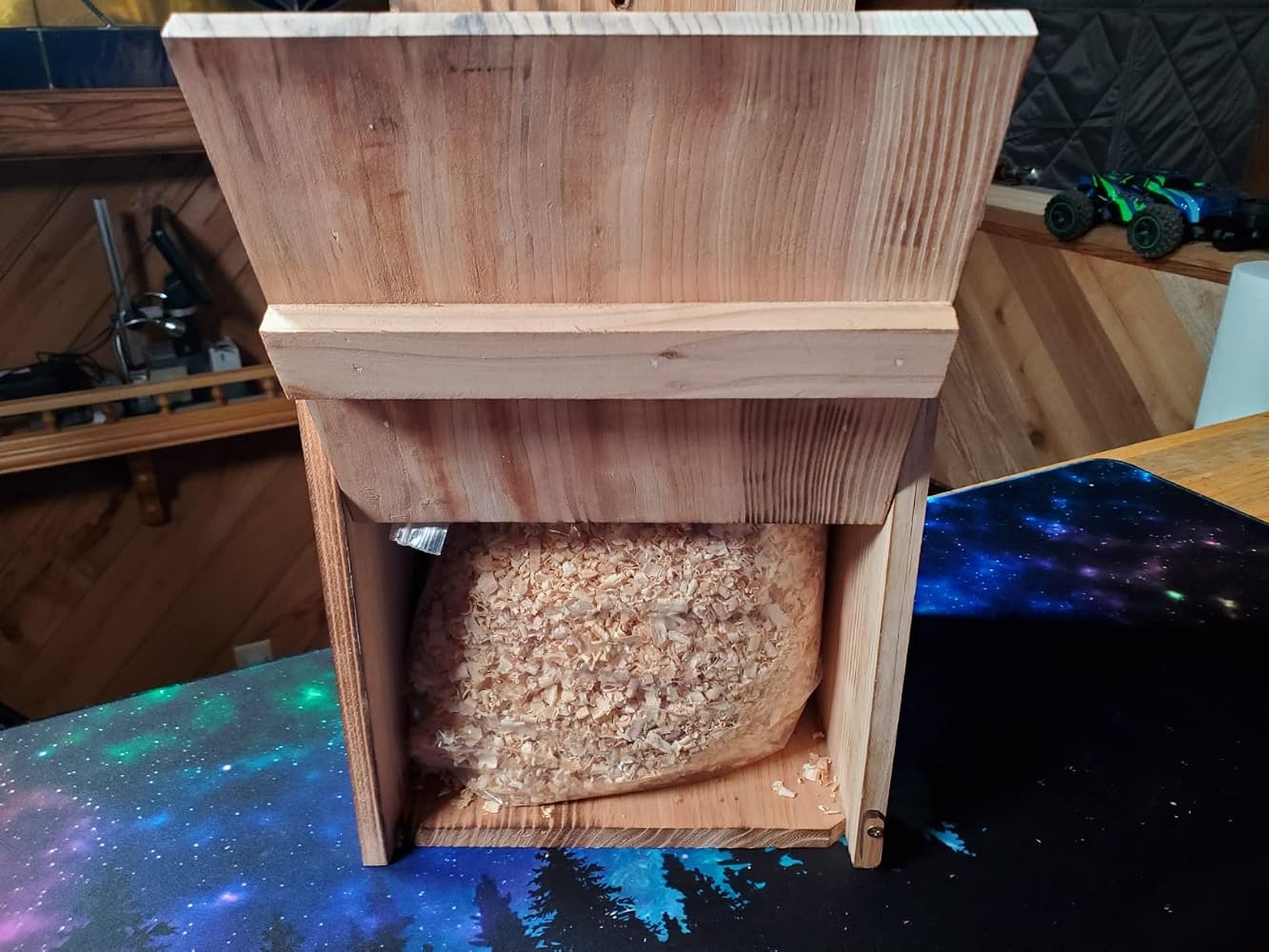
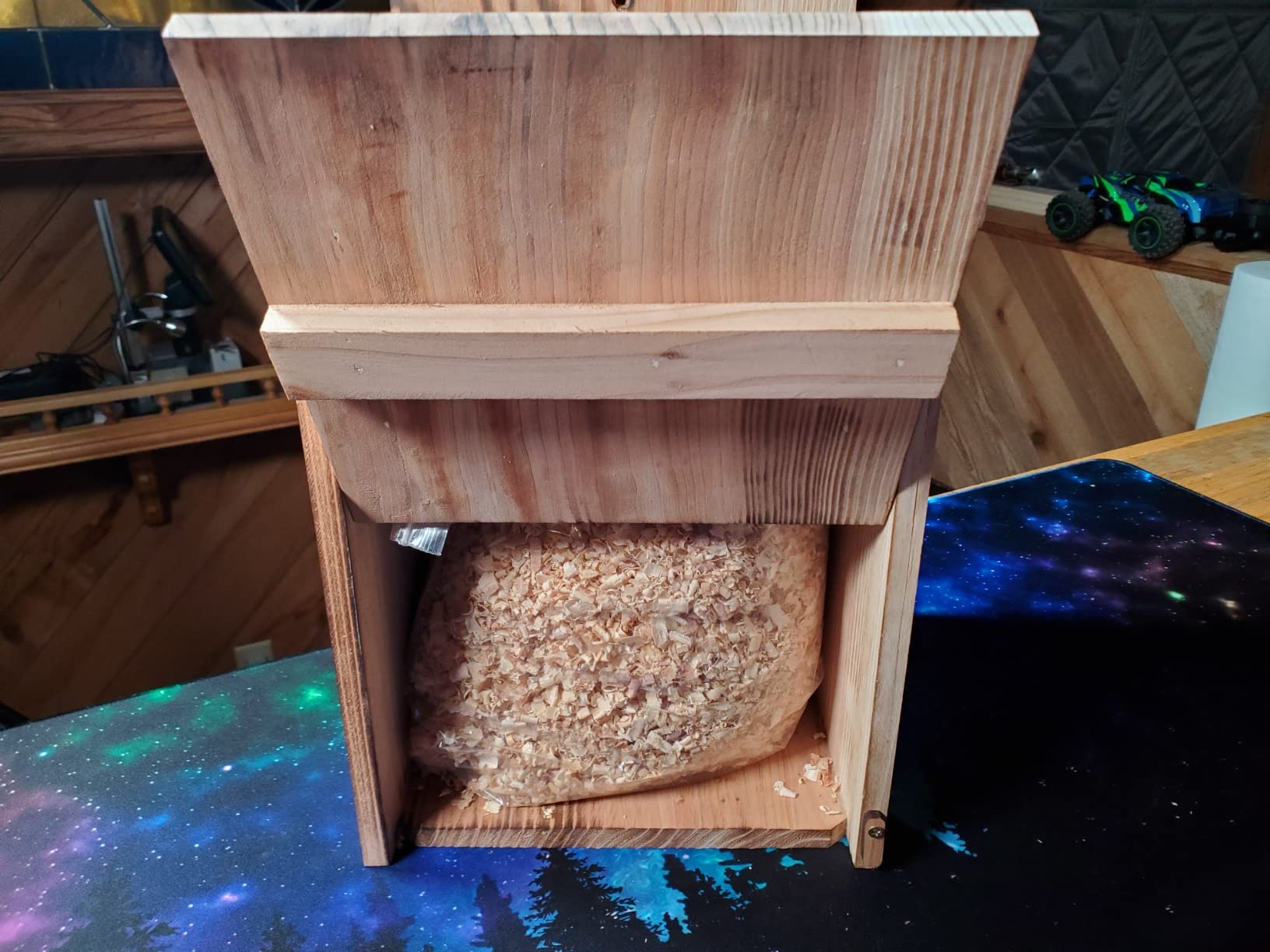
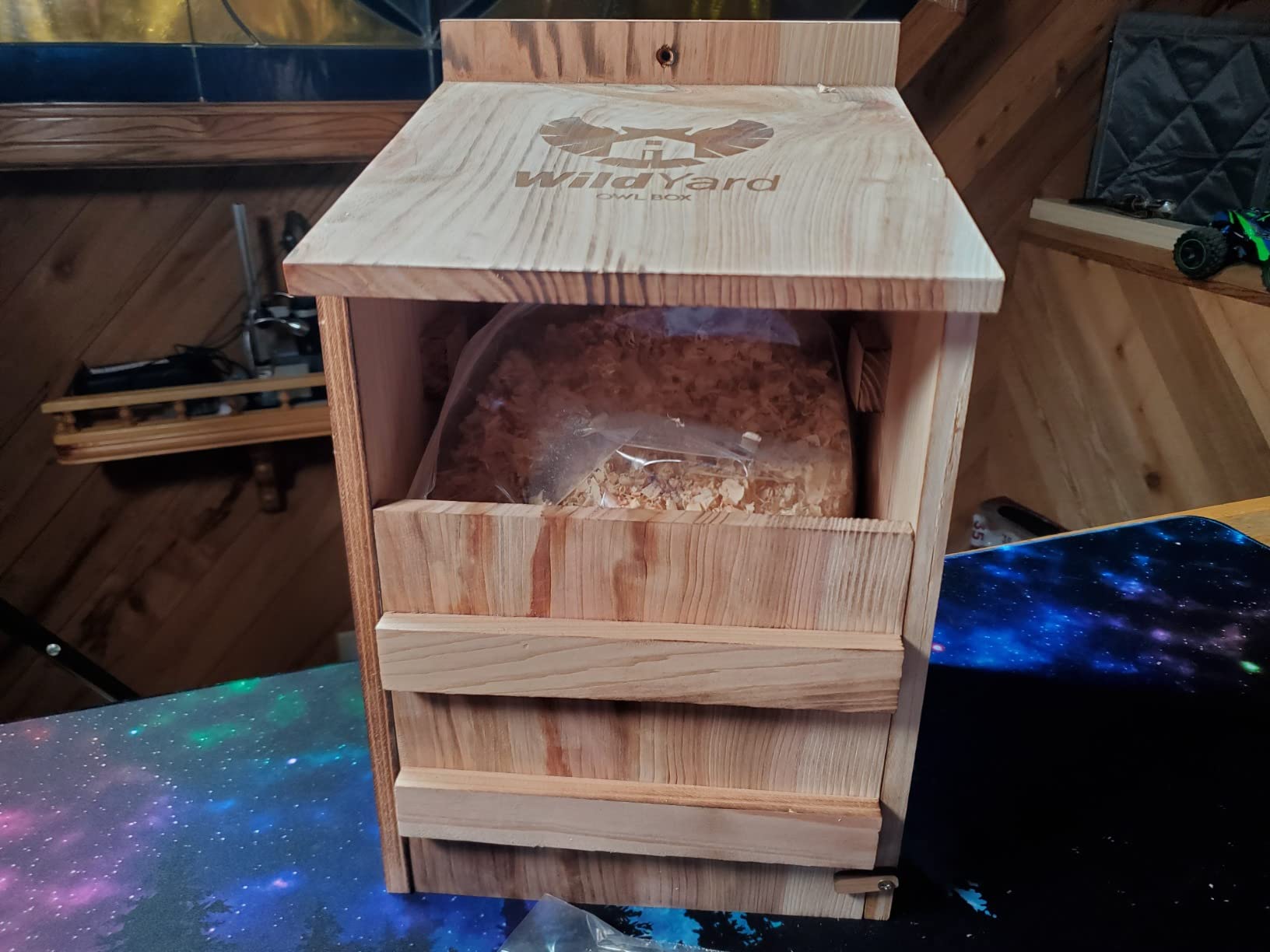
The same proven design in a warm brown finish that blends into tree trunks and darker wooded yards. Drainage holes, a grooved interior for young owls and wood shavings in the box, ready to mount from day one.

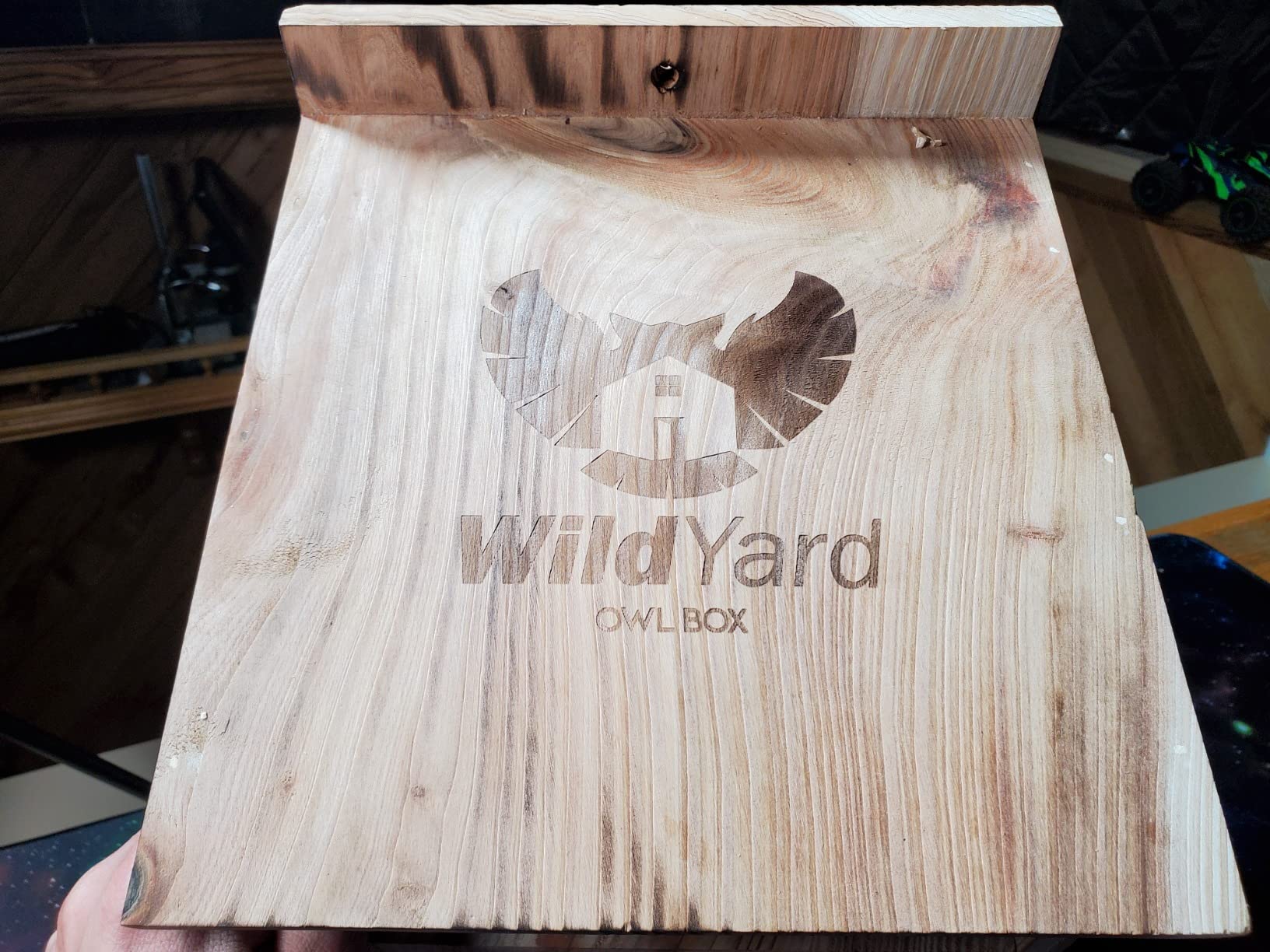
A bark-clad front that looks like a natural tree hollow, with a natural wood body and engraved WildYard roof. It blends into the trunk it hangs on, the closest thing to the cavities owls look for in the wild.
Why an owl box + FAQs
An owl box is a simple way to give owls a safe place to live, and in return, the owls help control pests in your area, like mice and insects. It’s easy to set up, low-maintenance, and made to last. Plus, by buying one, you might even get to watch a new feathered neighbor go about their owl life!
Our owl box is designed for smaller cavity-nesting owls. It most often attracts Eastern and Western Screech Owls, Northern Saw-whet Owls, and Boreal Owls.
In the southwest, Elf Owls may also use the box if the entrance is adjusted. Barn Owls may show some interest, but they usually prefer larger spaces. These species are excellent natural rodent controllers and thrive in backyards, farms, and wooded edges.
Mount the box 10–15 feet (3–4.5 meters) above ground on a tree, pole, or building. Choose a location facing open ground but angled away from prevailing winds.
Avoid spots blocked by branches or buildings—owls need a clear view of the entrance. Boxes are most successful near scattered trees, fields, or meadows, rather than in dense woods.
The owls that use this box are too small to hunt cats, dogs, or chickens. They mainly eat mice, voles, and insects.
While owls generally avoid prey that fights back, it’s best to keep very small kittens or young puppies away from the nesting area during breeding season. For most pets and backyard animals, these owls pose no risk.
There’s no lure or bait for owls—it comes down to location and patience. Mount the box at the correct height (10–15 feet / 3–4.5 meters), face it toward open ground, and avoid shaded or noisy areas.
Keep the entrance visible and free of branches. If your property has rodents, meadows, or scattered trees, owls are more likely to move in. Once they find a safe nesting site, they often return year after year.
Owl boxes provide safe nesting space for species that are losing natural tree cavities due to habitat loss. By hosting owls, you gain an ally in rodent control, reducing reliance on poisons or traps.
Owls are shy, so while they won’t become tame, they offer a chance to observe natural behavior up close. Installing a box supports conservation and strengthens the balance of your local ecosystem.


We love the owl box and can’t wait to see if an owl moves in soon!
Hi Amanda! We're so happy to hear you love your owl box. Fingers crossed for an owl visitor soon! Thanks for sharing your excitement.
Nice Packaging, made well, smells great. Had alot of trials and errors that hopefully you can all avoid/ When your 30' ft high with aimpact driver it may be safer to do what I did after my first try. Make sure you take the door off before you install. You can't install 30ftt up with out the door removed, your drill won't unless you remove it first. Once I figured that out after 4x up and down the ladder it all went smooth. Just bring a phillips head with you to put door on after you install the box. Its been two weeks and no owls yet...but it looks like a great home if I were an Owl.....
Hi Dennis, thanks for sharing your experience! We're glad the packaging and build quality met your expectations. Your tip about removing the door during installation is very helpful. Fingers crossed for some owl visitors soon! Appreciate your detailed feedback.
Very well designed, easy to clean and built with a high level of quality.
Hi Brian, thank you for your kind words! We're so glad you find the Owl Box well designed and easy to clean. We appreciate your support!
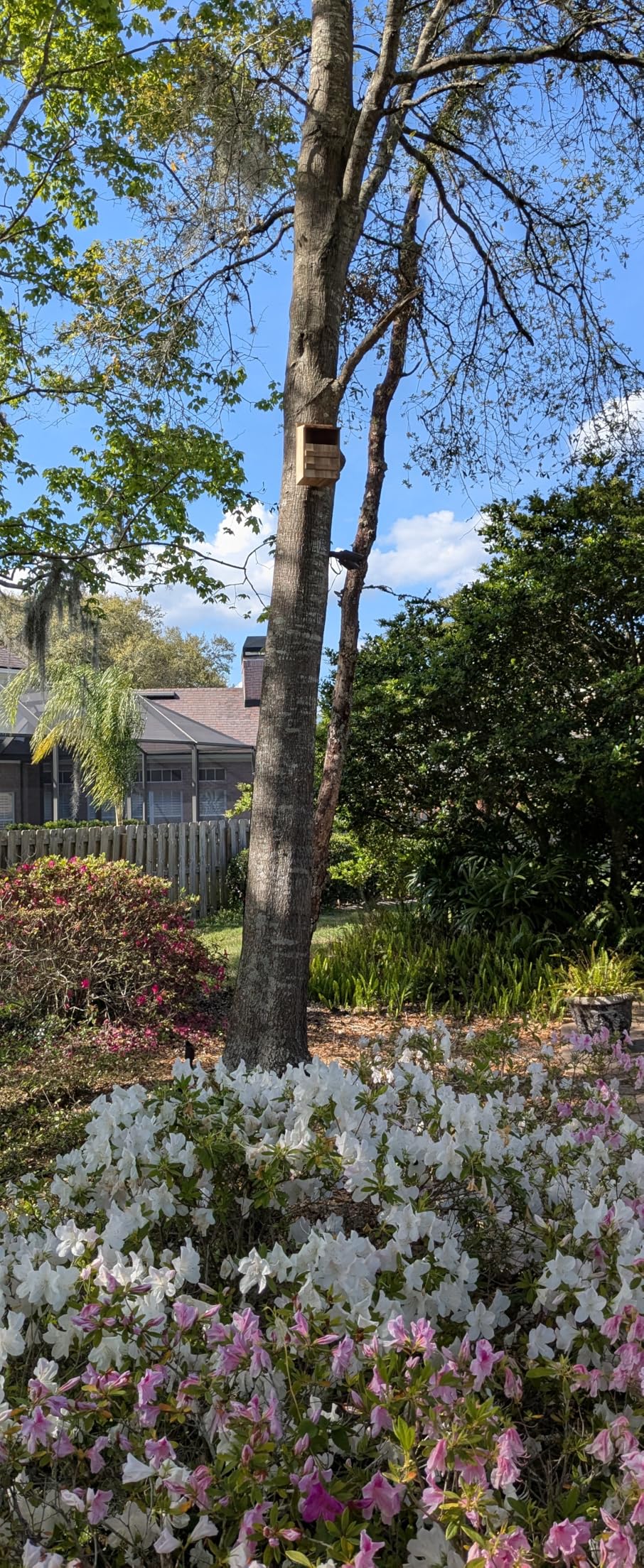
Very high quality, installed out in front of our house, can’t wait for some action!
Thank you for your kind words and for choosing our Owl Box for Yards! We're so glad to hear that you are satisfied with the quality of our product and that it has been successfully installed in front of your house. We hope you will soon see some exciting action in your yard with the help of our Owl Box.
Nicely made and easy to install
Hi Robert,
Thank you for taking the time to leave a review for our Owl Box. We are so happy to hear that you found it nicely made and easy to install. Our team takes pride in creating products that are both high-quality and user-friendly. We appreciate your support and hope that you and your feathered friends enjoy the box in your yard. Have a great day!
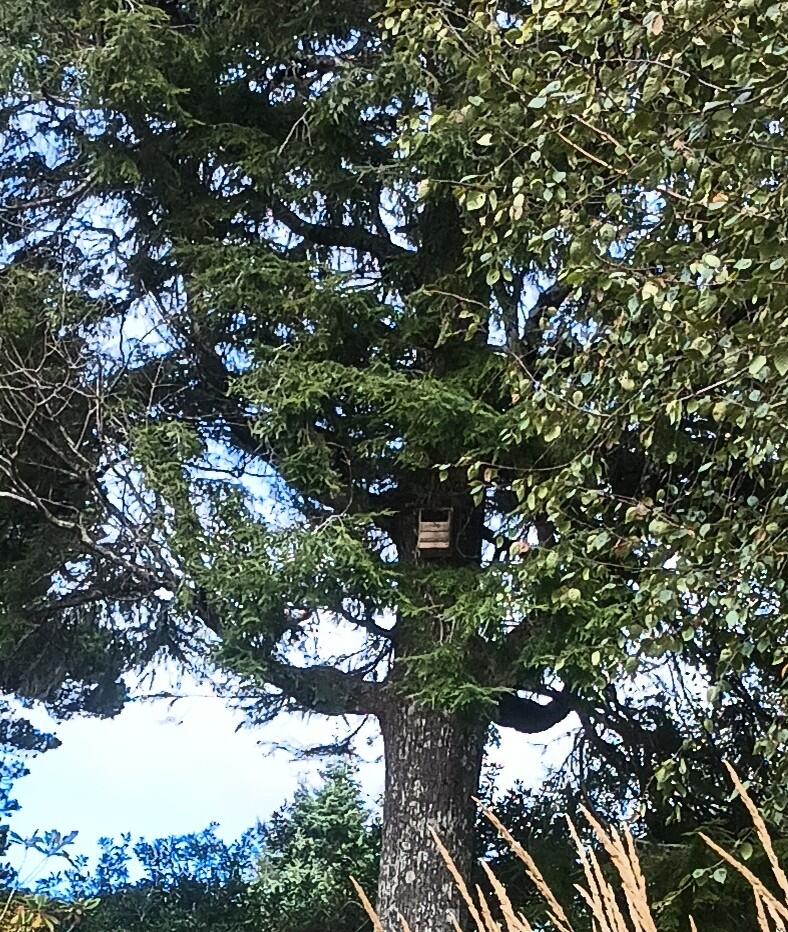
So far so good. It is hanging in a fir tree and I am just waiting to see if the owls in my neighborhood find it.
Hi Ramona,
Thank you for leaving a review for our Owl Box for Gardens! We are happy to hear that it is working well for you so far. We hope the owls in your neighborhood will enjoy their new home. Have a great day!
It’s beautiful, can’t wait to see owls living there!!!
Thank you for your kind words! We're so glad you love the owl box, and we hope those owls move in soon. Enjoy!
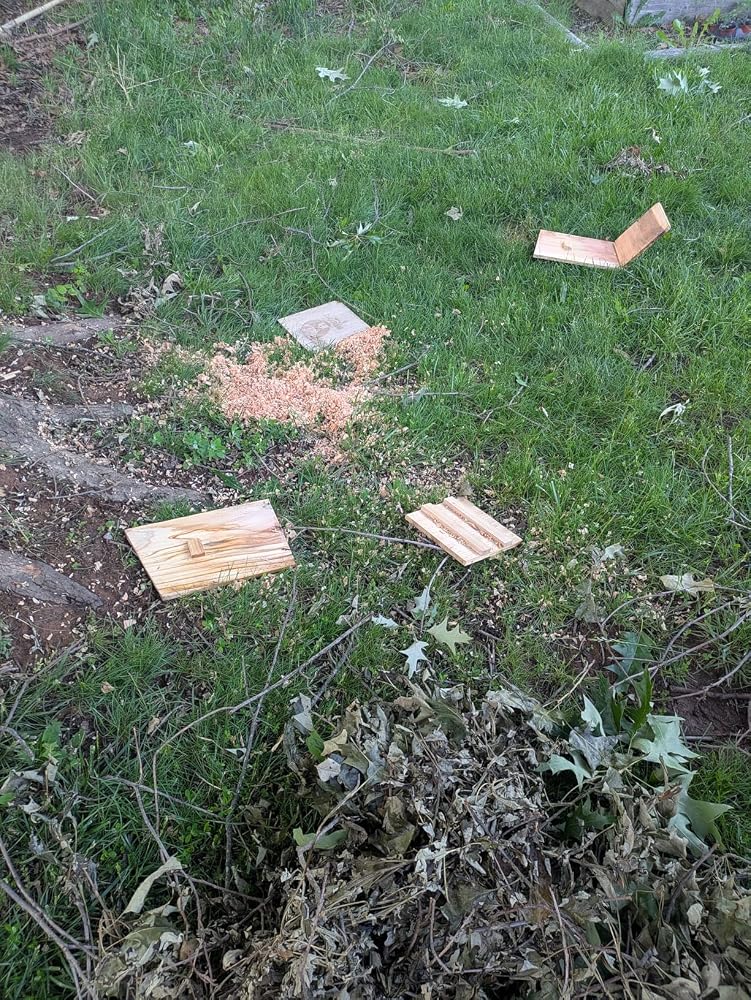
Updated review, adding a star as customer service is nice and reached out rectify the issue. //No owls moved in but maybe a squirrel tried to. This thing exploded and I found it in pieces.
This owl house is quite a bit smaller than I envisioned when I purchased it, and I am concerned that it will not attract the rather large Florida Barred owls that I am hoping for (even though a Barred owl is in the product's main listing photo). Size aside, the box is quite well constructed and does appear to be made of cedar. I needed to tighten 3 screws that were loose on the box, but it was otherwise perfect upon arrival.I used 5 of the included mounting screws placed through the pre-drilled holes and run into the tree. The small size of the box and the lightness of the cedar wood made it much easier to hang in the tree than I had anticipated, and so I was able to place it fairly high off of the ground, which hopefully will be a plus for attracting Barred owls.I actually like the box quite a lot, but it is fairly small. If it attracts a Barred owl family, I will return here and raise my review to 5 stars.
This owl house is quite a bit smaller than I envisioned when I purchased it, and I am concerned that it will not attract the rather large Florida Barred owls that I am hoping for (even though a Barred owl is in the product's main listing photo). Size aside, the box is quite well constructed and does appear to be made of cedar. I needed to tighten 3 screws that were loose on the box, but it was otherwise perfect upon arrival.
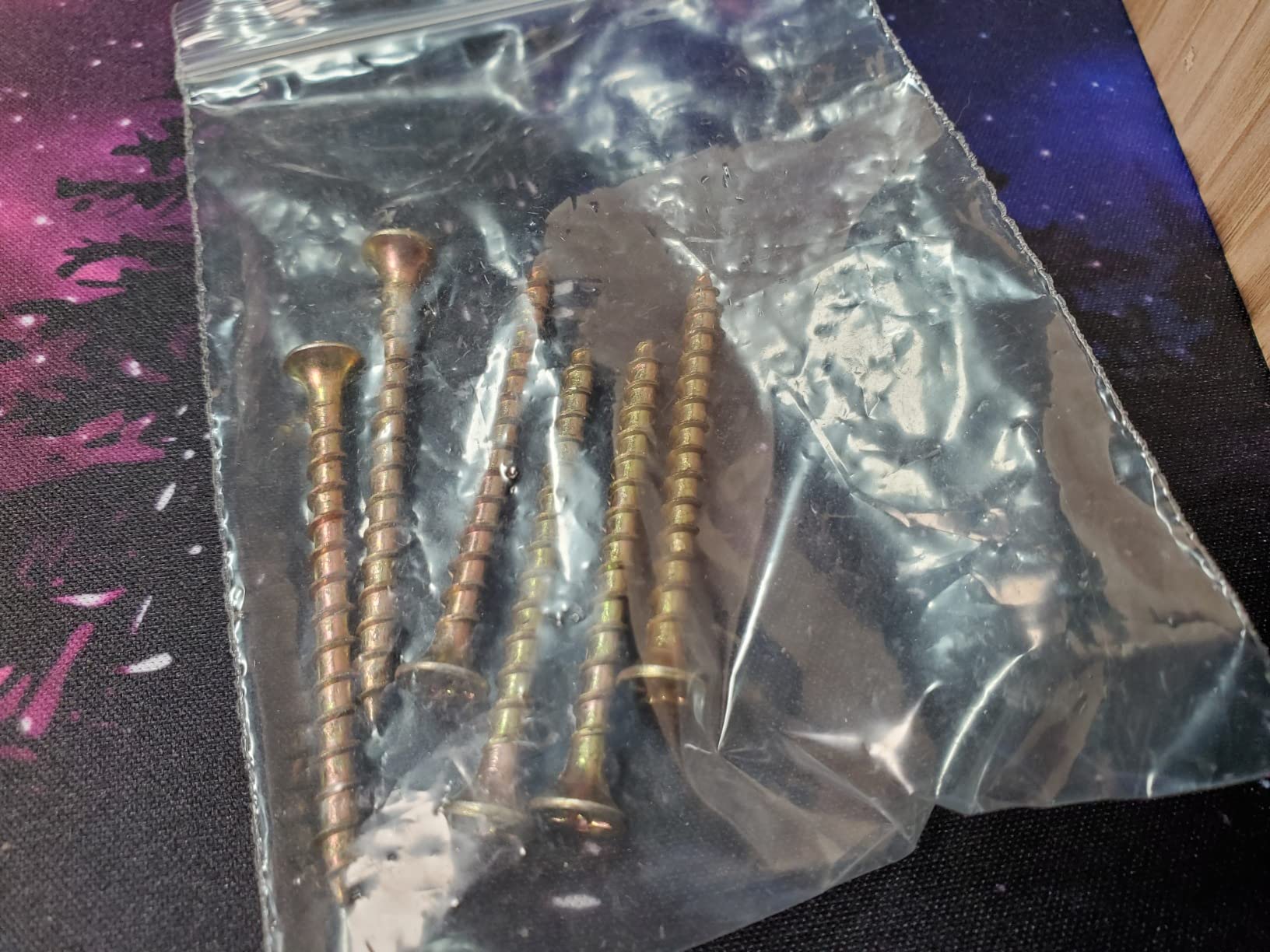
I used 5 of the included mounting screws placed through the pre-drilled holes and run into the tree. The small size of the box and the lightness of the cedar wood made it much easier to hang in the tree than I had anticipated, and so I was able to place it fairly high off of the ground, which hopefully will be a plus for attracting Barred owls.
I actually like the box quite a lot, but it is fairly small. If it attracts a Barred owl family, I will return here and raise my review to 5 stars.
Get yourself a tall ladder and a drill and it’s easy to hang! After spotting 2 adult owls and their 2 fledglings in our yard, I had to encourage them to stay! House has been up for about 8 weeks and we haven’t seen them since, but I’m hopeful!
Get yourself a tall ladder and a drill and it’s easy to hang! After spotting 2 adult owls and their 2 fledglings in our yard, I had to encourage them to stay! House has been up for about 8 weeks and we haven’t seen them since, but I’m hopeful!
The building material great quality and will stand up to saskatchewan weather...ordered 5pm friday delivery 5pm sunday in time for gift opening
The building material great quality and will stand up to saskatchewan weather...ordered 5pm friday delivery 5pm sunday in time for gift opening
The media could not be loaded.
The Cedar Owl House by WildYard, is a solid choice if you’re looking for a simple cedar box with easy operation to attract local wildlife to hang out and stay a while. Here are some of the things I’ve learned while owning it and things to consider before buying.I. Quality – This one isn’t particularly great quality, but rather just a solid cedar box with a few screws. It appears to be good quality wood that has that distinctive cedar smell. There isn’t any finish or coating on it, but cedar holds up particularly well exposed to the elements.II. Performance – This is an effective box at attracting many kinds of wildlife, depending on your area. You might need to make some adjustments to location and access to increase your odds of it actually being an owl that calls it home, but its definitely capable of attracting one. They need to be placed high enough (usually over 10 feet) and you might have to block access to smaller animals.Overall, this is a well-made box that should attract some interesting tenants and provide many years of entertainment and fun watching them raise their babies. I’ll be sure to update this review, if I ever start to have problems with it.If you’d find it helpful to see an up-close visual inspection of this product, I recommend you watch my included video in full screen or landscape. They say a picture is worth a 1000 words, well it’s a video!You can trust that this review is simply my honest opinion that is attempting to provide you with helpful insight that I wish I had before I picked this product. Hopefully it was helpful in your decision.
The Cedar Owl House by WildYard, is a solid choice if you’re looking for a simple cedar box with easy operation to attract local wildlife to hang out and stay a while. Here are some of the things I’ve learned while owning it and things to consider before buying.
I. Quality – This one isn’t particularly great quality, but rather just a solid cedar box with a few screws. It appears to be good quality wood that has that distinctive cedar smell. There isn’t any finish or coating on it, but cedar holds up particularly well exposed to the elements.
II. Performance – This is an effective box at attracting many kinds of wildlife, depending on your area. You might need to make some adjustments to location and access to increase your odds of it actually being an owl that calls it home, but its definitely capable of attracting one. They need to be placed high enough (usually over 10 feet) and you might have to block access to smaller animals.
Overall, this is a well-made box that should attract some interesting tenants and provide many years of entertainment and fun watching them raise their babies. I’ll be sure to update this review, if I ever start to have problems with it.
If you’d find it helpful to see an up-close visual inspection of this product, I recommend you watch my included video in full screen or landscape. They say a picture is worth a 1000 words, well it’s a video!
You can trust that this review is simply my honest opinion that is attempting to provide you with helpful insight that I wish I had before I picked this product. Hopefully it was helpful in your decision.


