







How to Attract Bats to a Bat House: The Complete Guide
How to attract bats to a bat house: ideal placement, height, sun, color and timing, backed by Bat Conservation International. Get your bats settled in faster.


Handcrafted from cedar, this single-chamber habitat holds up to 50 bats in a slim profile that fits a wall, a shed side or a pole in a smaller garden. It is the most straightforward way to put a working roost up this season.
One chamber, up to 50 bats. A single deep crevice suits a starting colony. Bats pack tightly, so a compact habitat supports far more animals than its footprint suggests.
Slim by design. The narrow profile mounts where a multi-chamber habitat will not fit — a fence post, a garage wall, the side of a shed. Natural cedar reflects heat, which suits warmer regions.
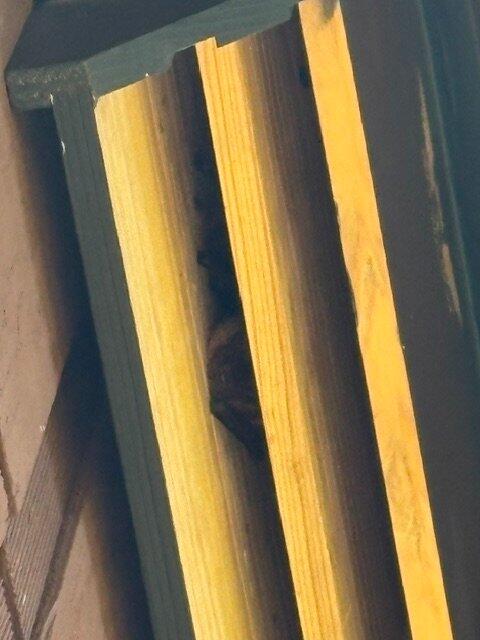
Rough-sawn interior. The interior face is grooved so bats can climb and hang securely. A smooth interior is the most common reason a habitat stays empty — bats cannot grip it.
Honest about timing. Bats scout new roosts in spring. Some habitats fill in year one, others in year two, and siting matters more than size — the guidance below covers height, sun and water.
Handcrafted cedar, built to last. Arrives fully assembled with mounting hardware and the Bat Conservation International siting guide. No expertise required.
Full instructions are in the Bat Conservation International guide included with your bat house.
OUT IN THE #WILDYARD
A closer look at the bat habitat.
 FeaturedTwo-Chamber Bat House (Black)
SHOP
 FeaturedThree Chamber Bat House (Cedar)
SHOP
FeaturedTwo-Chamber Bat House (Black)
SHOP
 FeaturedThree Chamber Bat House (Black)
SHOP
FeaturedThree Chamber Bat House (Black)
SHOP
 FeaturedBig Bat Barn (Black)
SHOP
 FeaturedBig Bat Barn (Brown)
SHOP
 FeaturedBat Barn Junior (Black)
SHOP

One-chamber bat houses are a popular choice for smaller gardens and yards. If you have limited space, a one-chamber bat house is a great choice because it won't take up too much room. However, if you have a larger property, you may want to consider a 2-chamber or 3-chamber bat house, which can provide more space for bats to roost.

One of the main advantages of a two-chamber bat house is that it can accommodate more bats than a one-chamber bat house, making it a great option for larger properties or those looking to attract more bats. The additional space also provides a more comfortable environment for bats to roost and raise their young.

Three-chamber bat houses offer several key advantages over one- and two-chamber designs. They provide more space for larger colonies, support better temperature regulation throughout the year, and encourage social bonding among bats, which can enhance pest control. Built from durable, high-quality materials, these bat houses are a long-lasting and practical choice for any bat enthusiast.
WHY CHOOSE BIG BAT BOX?
Expert-certified, climate-ready, and loved by bats, owls & bees — WildYard wins. ✅
Big Bat Box vs Competitors
| Feature | Big Bat Box / WildYard | Competitors |
|---|---|---|
| Certified by bat-conservation experts | ✔ MTBC certified; “Bat-Conservation Approved”. | ✖ Not certified, often ignores conservation guidelines. |
| Contribution to conservation | ✔ 1% for the Planet → global conservation support. | ✖ No contribution. Profit-only. |
| Bat-friendly interior design | ✔ Scored wood, no mesh, natural grip. | ⚠ Mesh/smooth interiors = low occupancy or injury. |
| Materials & build quality | ✔ Cedar / premium wood. Weather-resistant. | ✖ Thin pine, staples, leaks/rot common. |
| Climate / region adaptability | ✔ Multiple chamber / colour options by climate. | ⚠ One-size; poor heat stability. |
| Value vs quality | ✔ Fair pricing + high quality = real value. | ⚠ Cheap upfront, costly long-term. |
| Reputation / reviews | ✔ Strong verified reviews; bats actually move in. | ❓ Few reviews; low occupancy common. |

Installation Guide
You can download the installation guide by clicking the button below.
Size affects both capacity and climate control. A 2-chamber bat house can host around 50–75 bats and suits smaller yards or bachelor colonies. Larger 3- or 4-chamber bat houses can hold several hundred bats, including maternity groups, and they retain heat more evenly—important in regions with wide temperature swings.
Too small can limit success, but too big is rarely a problem. If you have space and sun exposure, choosing a larger house gives you the best long-term results.
The best bat house color depends on your local climate. Darker colors, like black or dark brown, absorb more heat and work well in cooler regions with mild summers. Medium shades, such as natural wood or mid-tone brown, suit temperate areas. Light colors, like cedar or tan, reflect sunlight and are best in hot climates where summers regularly exceed 95°F (35°C). The goal is to keep the bat house interior within the preferred range of 80–104°F (27–40°C).
For example in the US:
If you’re unsure, it’s usually better to go a bit darker, especially in areas with cooler nights.
The capacity depends on size and placement. A 2-chamber bat house may host 50–75 bats, while larger 3- or 4-chamber houses can support several hundred, including maternity colonies.
Since bats cluster for warmth, providing enough roosting space helps them thrive. If you’re unsure which size to pick, it’s generally better to go larger—too big is rarely a problem, while a box that’s too small can limit colony growth and reduce long-term success.
Some bat houses attract residents within a few weeks, but on average it takes 2–6 months. Larger houses can take up to two years to host a colony.
Location is key: place the box near water, in an open, sunny area, and at the correct height (15–20 feet / 4.5–6 meters). Bigger houses often fill more quickly once discovered, since they offer multiple roosting options. If in doubt, choosing a larger model improves your chances of attracting and retaining bats.
Yes—bats are highly effective insect predators. A single bat eats thousands of mosquitoes and crop pests each night, making them natural, chemical-free pest control. Unlike insecticides, which can harm pollinators and other wildlife, bats target insects while supporting biodiversity.
Installing a bat box reduces pests and helps conserve bat populations, many of which are at risk from habitat loss. Larger bat houses also encourage bigger colonies, which means more effective pest control for your property.
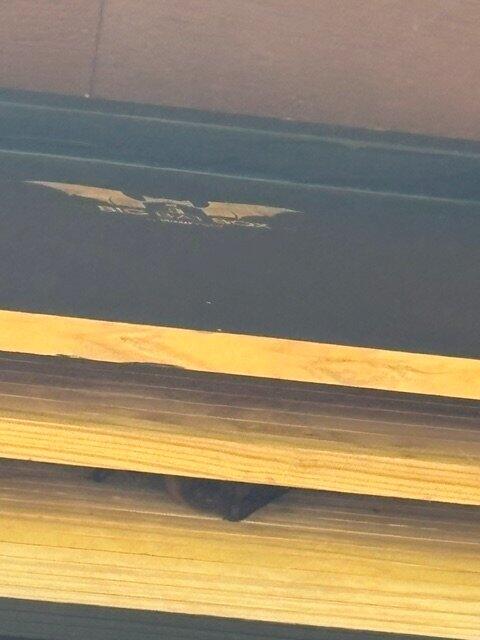
We put up our Big Bat House a couple months ago not really expecting much. I went out today and looked up and saw something brown. We have a bat, I'm so pleased. I shouldn't be surprised since I live in Gerton, NC and the next town over is Bat Cave, NC.
Hi Robert, we're thrilled to hear about your new tenant! Thanks for sharing your wonderful story and for choosing Big Bat Box. Happy bat watching!
We put up the a one chamber bat house. We live in the North Eastern area and it was helpful seeing the bat houses recommended for different living areas. There is an extra cost with purchasing the post, lumber and screws but we think it will be worth it. I can't wait to see the fruits of our labor.
Hi Cheryl, we're thrilled to hear you're excited about your new bat house! We hope it attracts many bats and becomes a wonderful addition to your outdoor space. Thanks for sharing your experience!
Awesome Bat Box! Easy to mount! Can’t wait until it’s full of 🦇
Hi Mark! We're thrilled to hear you love the bat box and found it easy to mount. We hope it quickly becomes a cozy home for many bats. Thanks for sharing your feedback!
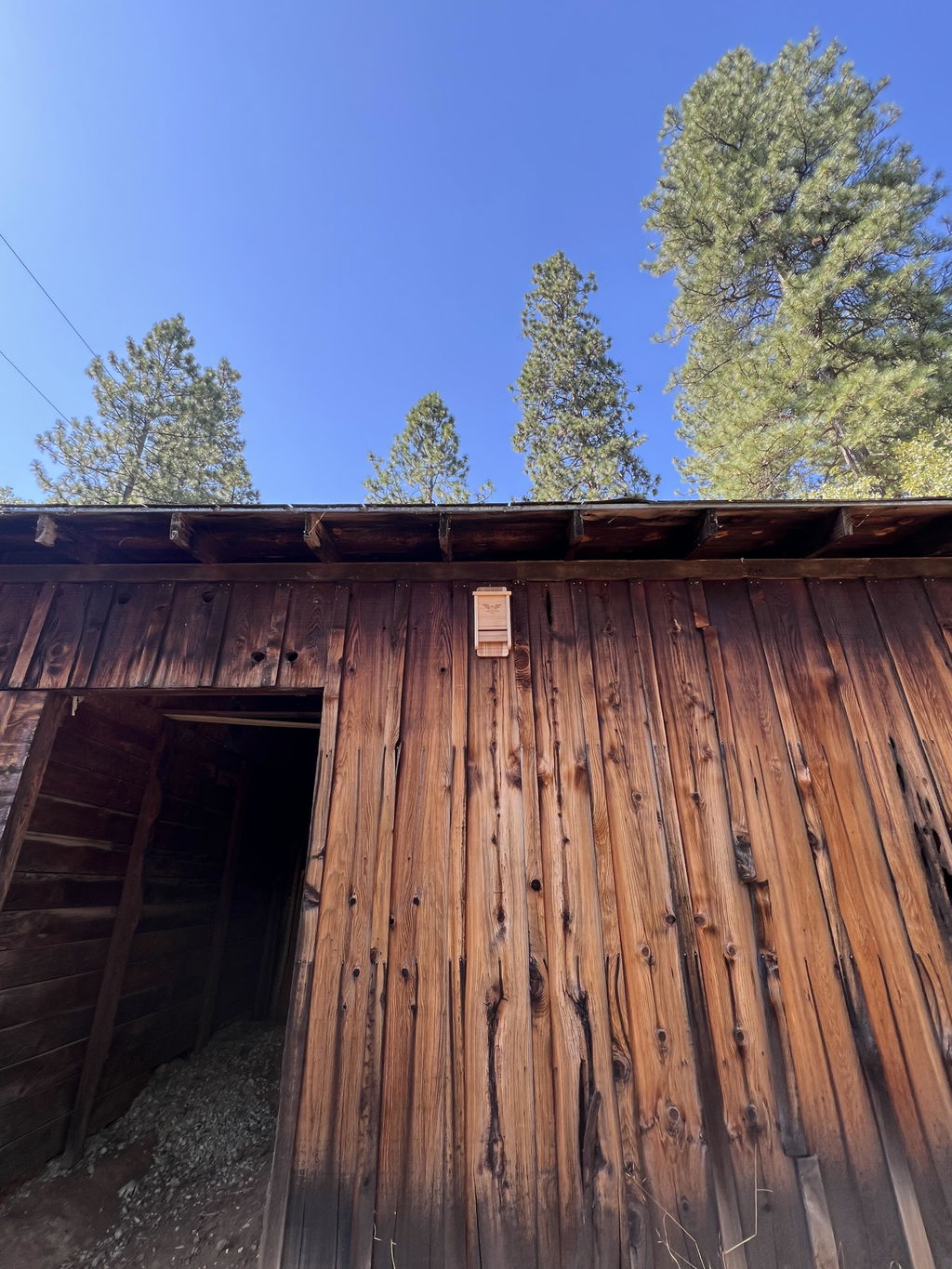
Beautiful box very well made. We bought two for our large property and they look great mounted up high on the back of the barn and accessory building
Hi Dana,
Thank you for your kind words! We are thrilled to hear that you are happy with your purchase and that the bat houses look great on your property. We hope they provide a cozy home for our winged friends. Happy bat watching!
Very well built, with many suggestions for mounting
Thank you for your kind words! We're glad you found the bat house well built and helpful. Happy bat watching!
Well made and sturdy. Thank you!
Hi Dezz! We're so glad you like the bat house. Thanks for your kind words and support!
Great quality, slick packaging and good instructions/ marketing materials included in box.
I bought two of these. They're beautifully crafted. Highly recommend!
Thank you so much for your kind words and for choosing our Single Chamber Bat House! We are thrilled to hear that you are satisfied with the quality and craftsmanship of our product. It means a lot to us that you would recommend it to others. Thank you for your support!
I have not set it up or used it yet, but it looks and feels amazing. I bought from Big Bat Box because of research that I did which revealed to me the dangers that mesh wiring or netting, commonly found in other bat boxes, can cause to bats. Big Bat Box, in comparison, uses scored wood for the bats to hold on to. From the research that I did, this is the safest option for the bats, as they commonly get caught in wiring or netting. The box is well made and I'm very excited to use it.
Hi Addi,
Thank you for taking the time to leave such a thoughtful review. We're so glad to hear that you appreciate the design and safety features of our Single Chamber Bat House. We take great care in creating a product that not only benefits bats, but also promotes their well-being. We hope you have a great experience using it! Thank you for choosing Big Bat Box.
Looks great and can hardly wait to put it up. Which brings up a recommendation to provide location(s) that is most conducive for mounting this bat box for bats to find, height, facing direction, and effective use.
Hi Ronald,
Thank you for your positive review of our Single Chamber Bat House! We are so glad that you like the design and are excited to put it up. For best results, mount the bat box at least 15 feet high on a south or southeast-facing wall or pole—full sun is key to keeping it warm. Avoid trees if possible, as they create too much shade and invite predators. If you’re near a water source or have seen bat activity before, that’s an added bonus. Let us know if you need help picking a spot—we’re happy to guide you.
The kind folks at BBH helped me to decide which bat house would work best for my situation (water more than 3/4 mile away), and where to place it for the best chance to attract a bachelor colony. Thanks!
Great way to help bats and control mosquitos. Definitely a win-win.
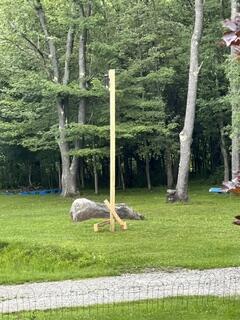
Well constructed. Mounted on a pole waiting on bats to find it.
I ordered this bat house to try in my yard as I love hearing our little bats in the summer months & want to keep them around. I am not sure which breed bat we have here, but they are very small, so I figured a small bathouse might not be a bad idea. I only wish there were some information included with this bat house on the best places to hang this would be. Going to have to research that. Regardless, this bat house looks very well made & smells of pure cedar which is very nice.
This bathouse comes already assembled and almost ready to hang. Once you get it, you will need to check the website and see what climate zone you're in. In some climate zones, it will need to be painted/stained so it retains the right amount of heat to keep your bats happy. Overall, the bathouse looks great and seems to be solidly built. It's made of cedar so it should last a long time.
Amazing! Super easy to hang up and the bats love it! No mosquitoes for us!!
The quality of the product is impeccable. It’s well made and uses quality parts. I’m so excited to see what sort of bat population I can get. The website is super helpful in getting it in the right location and conditions. Since I live in the PNW I will be painting it a darker color to make it warmer.
According to a site called wildyards, the perfect spot to hang a bat house is:- Near a water source, but at least 20 feet from any shoreline- At least 20 feet away from the nearest tree line or large freestanding tree- Facing southeast or southwest where it’ll get 6-8 hours of direct sunlight- 15-20 feet off the ground- On a pole, post, or buildingAvoid:- Mounting the bat box on a tree- Placing it near heavily trafficked areas- Placing it near artificial lighting- Placing it where it’ll be exposed to smoke or bursts of airRemember that bats are susceptible to predators such as cats, owls, hawks, possums, etc. Putting the bat house way up on a pole or post, and also using a rat guard, provides protection for the night-flying bug-eaters.Finally, it's a good idea to check all of your fascia, soffits and vents to be sure they are bat-proof. You don't want bats in your attic. People will say you're batty.This bat box is made of cedar, but it's not the best quality. Cedar is tight-grained and "weather-resistant". Weather-resistant, not -proof. To help this bat box last decades (rather than just a few years), take a few steps:1. Paint the exterior with a base coat of Kilz, to prevent mold. And then...2. Paint the exterior with any water-base topcoat. Darker in cold climates, lighter where it's warm. Be sure to...3. Keep all paint OUT of the box. Bats are not concerned with aesthetics and prefer untreated and unpainted wood surfaces. Finally...4. Check the paint every few years & restore as needed. Cleaning and light sanding might be required.Bats eat termites, as well as other annoying or destructive insects. When termites swarm in the spring, bats feast! Flies, deer flies, horse flies? All gone to guano!
This is a great product. My neighbors n I already see a reduction on mosquitoes at night, so know that bats have moved in. Thx!
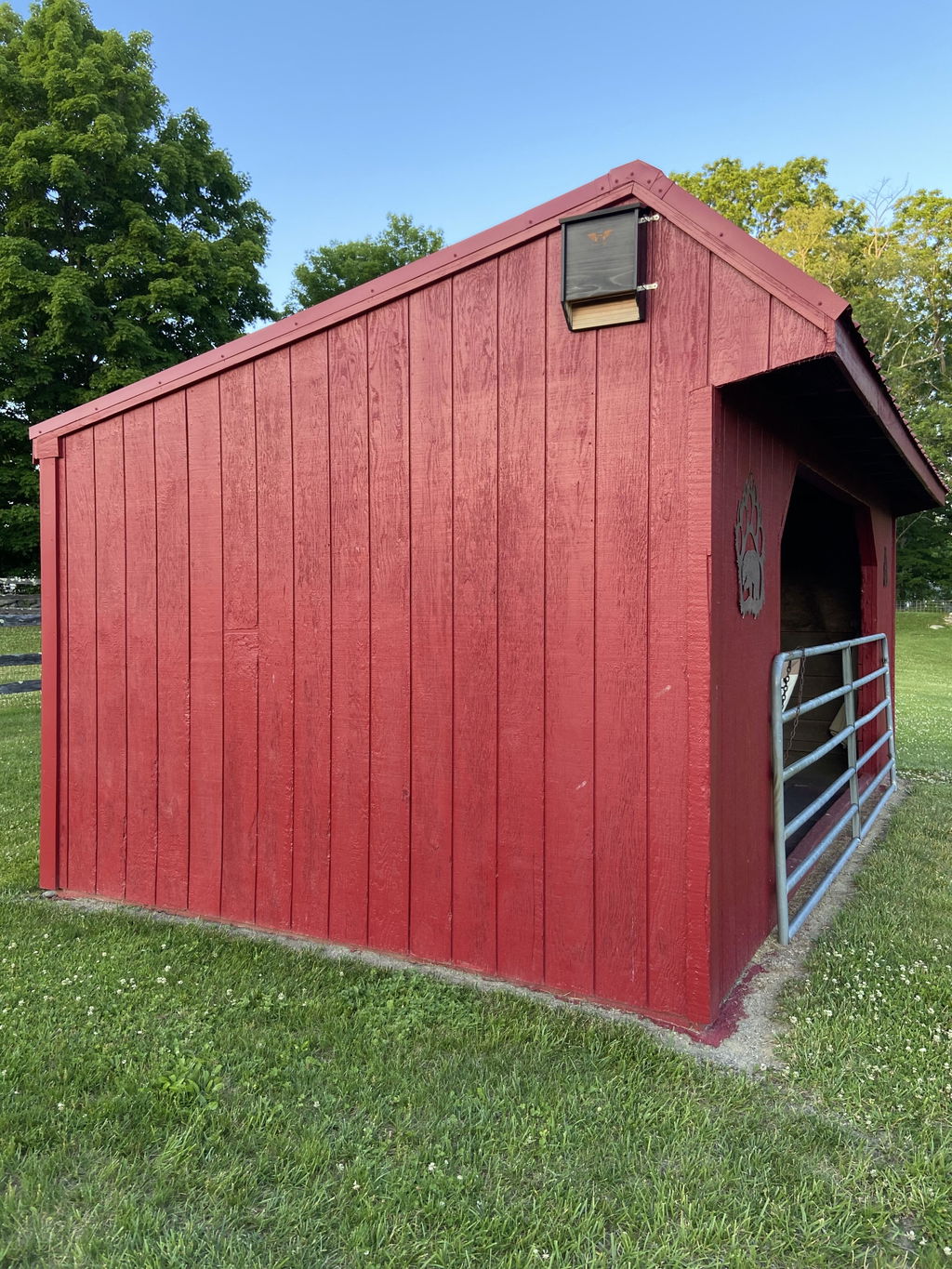
I was pleasantly surprised when I opened the box and discovered how attractive this bat house is. I mounted it just under the roof line so it is protected from the weather even though it is made of cedar and should not have any issues dealing with the weather. My understanding is that that's like being close to a roof line so I am hoping to fill the bat house before long to help with any mosquito problems I might have. This was easily mounted and I don't mind people seeing it because it is so well made and attractive.
This is a good sturdy bat box. It's well constructed using screws, with no flaws on mine, and it appears to match the specs that bat experts recommend. If you've never had a bat house before, I'd recommend visiting some of the websites that specialize in bat information before buying.The bats in my area (as in most) like to seek out tiny cracks in my house to roost, especially in the eaves. I patch them up, but they're always looking for new spots. Time to help them out.Some tips on placement if you're new to bats: the experts say these should be mounted at least 10 feet off the ground, preferably on a south or east wall of a building so they get some warmth. A pole is also suitable providing it's at least 10 feet tall, but they recommend not mounting on or near a tree since bats don't like trees (they have to dodge branches and the smaller diameter is hard to locate). I will be mounting this on the east side of my shed under the roof peak which is well away from any trees and a good 15 feet above ground level. The bats here are seasonal and it's too cold for them now, but I'll update in a few months when I see if they've taken to the box as their new roost. So far I recommend this.
Easy to install and great quality. Bats have already located it and i’m very excited to have this.
I have wanted to put up a bat box in my backyard for awhile and finally decided to try this one. There are a lot of good things about this one and a few I am not too excited about.Pros:+ cedar wood is good for outdoors and should last a longer time+ fully assembled out of the box. I’d assumed incorrectly that I’d have to assemble it and was pleasantly surprised to find it ready to go+ not too big. I don’t particularly like going up ladders and this bat house is small enough to be easy to carry up with me+ back screw attachment already installedCons:- no screw to go with the back attachment. This seems odd as they definitely put a nice back screw hider on- questionable assembly quality as one of the screws was installed at a wrong angle and pushes the wood oddly. See the photo. Hopefully it won’t bother the batsOverall I like this and LOVE the concept of bats living nearby and eating lots of mosquitoes!
We get mosquitos really bad being on a creek , and always heard about bay houses and how they can bring in bats and be pretty effective . So we wanted a bat house but thought the whole set up and everything would be too much . Well this makes it beyond easy ! It comes assembled , it’s not as big as I thought a bay house would need to be but realistically bats ares so tiny and huddle together so it makes sense. It’s so simple you literally just find a good spot not in a tree with beaches blocking it and you just hang it . We hung ours on our shed about 10ft high as recommended and having it facing south . The bugs are starting to buzz now here in NJ and along comes the mosquitos , I’m looking forward to seeing this in action bc we’ve always noticed bats in our yard but now this will give them a place to land and stay and hopefully keep the mosquitoes away . This is good quality and well made and easy to install !
This is a bat house made with solid cedar wood, crafted in the recommended style. This is a beautiful piece of workmanship! It does not come with any directions to hang it, however you can find recommendations online. The most common advice is to hang it facing east so that it gets six to eight hours of morning sun and afternoon shade. It is also advised to hang it 12 to 20 ft above the ground and you can do this anytime of year. It is also not necessary to clean out the house when the bats are using it because of the way it is designed . I've always wanted a bat house and I even tried to make one which was a major disaster. I am happy to have this well crafted piece of art hanging from my house. I will be so excited when the bats finally arrive!


