







How to Attract Bats to a Bat House: The Complete Guide
How to attract bats to a bat house: ideal placement, height, sun, color and timing, backed by Bat Conservation International. Get your bats settled in faster.


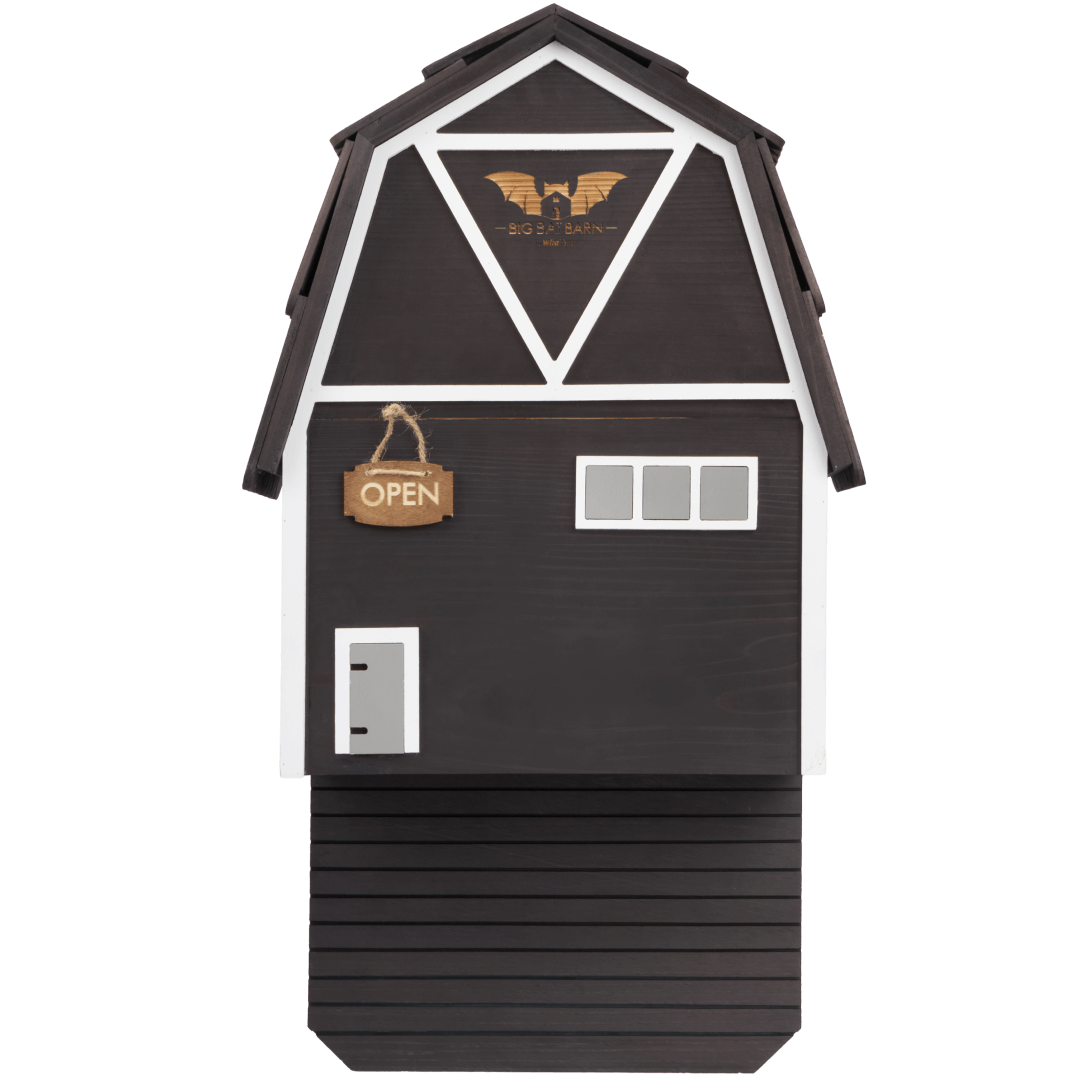
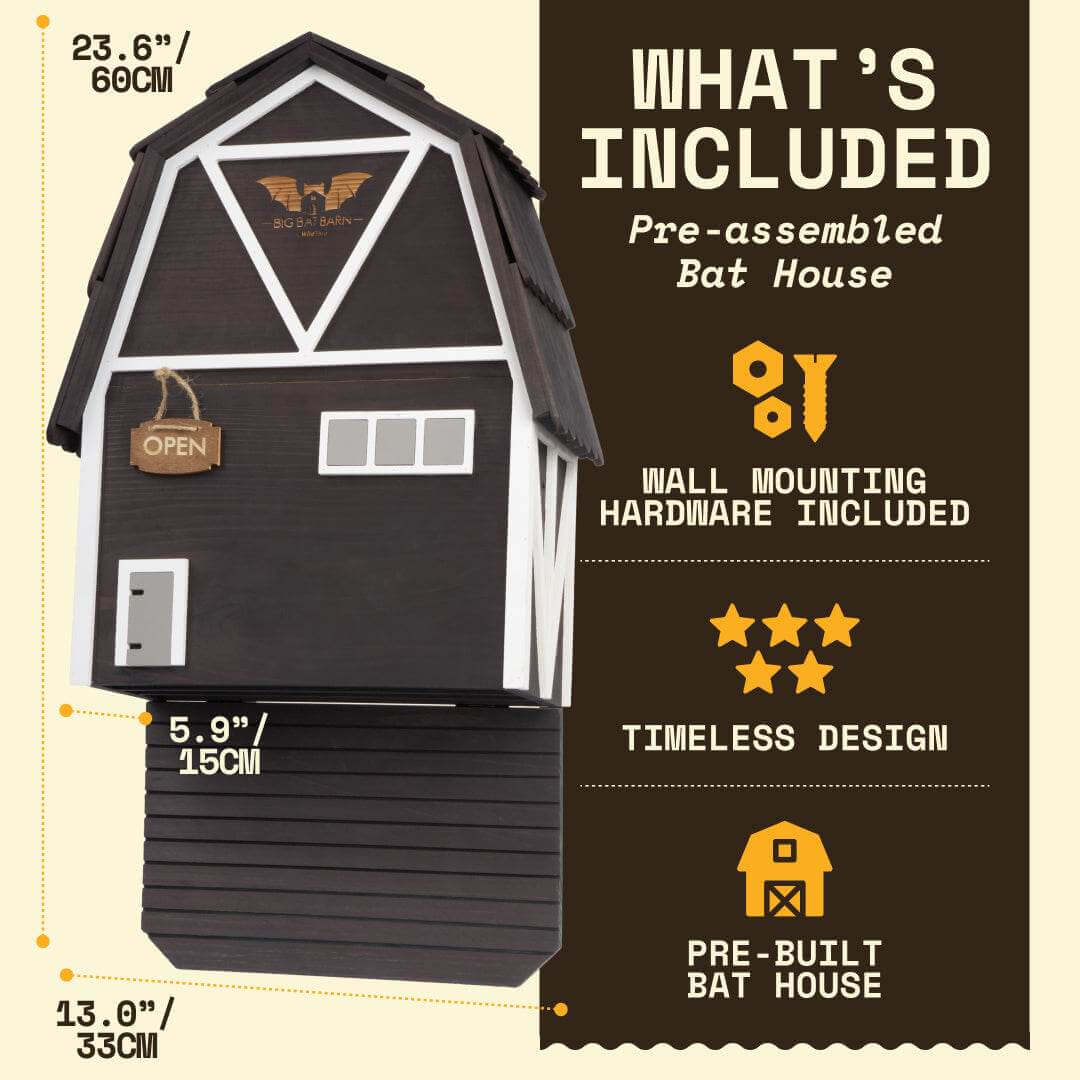
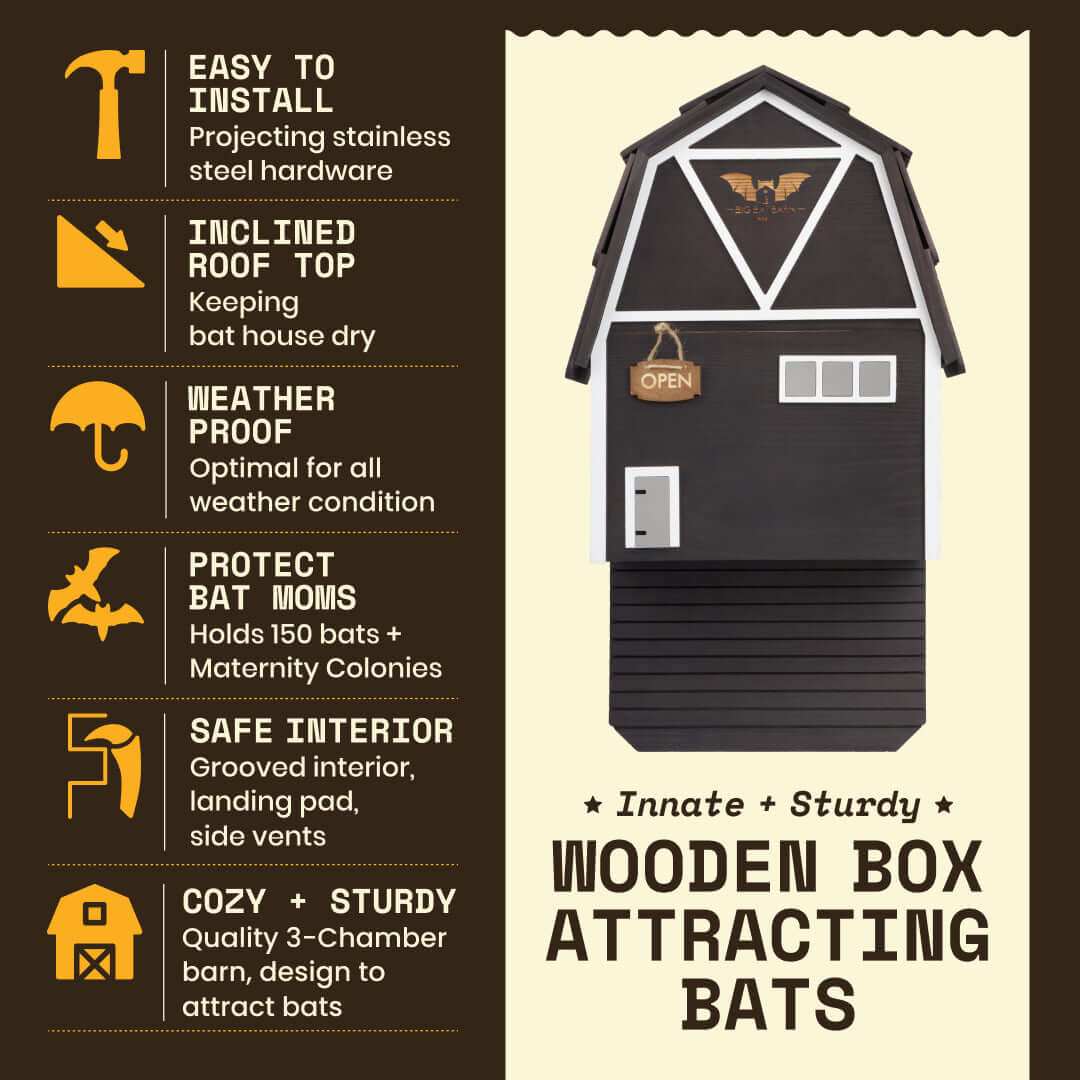
Handcrafted from cedar and finished in black, the Big Bat Barn holds up to 150 bats across three chambers. The dark finish stores daytime heat and releases it overnight, which is what a large colony needs where nights turn cold.
Three chambers, up to 150 bats. Barn depth gives a colony room to spread and a temperature gradient to move through, which a flat-backed habitat cannot offer.
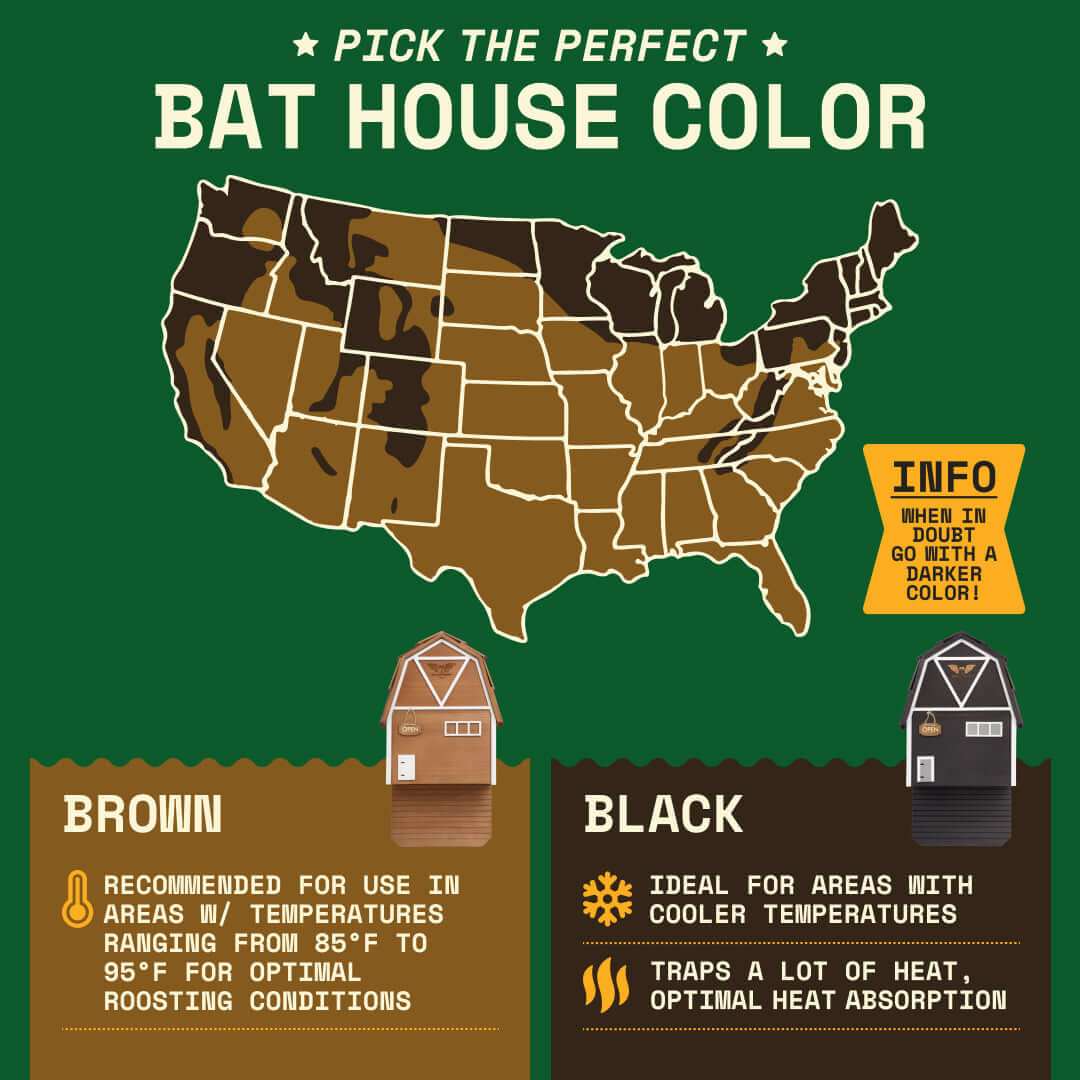
Why the black finish. Black absorbs solar heat and gives it back slowly after sundown. In cooler regions and at elevation that stored warmth often decides whether a colony stays. For hot summers, the brown finish is the better match.
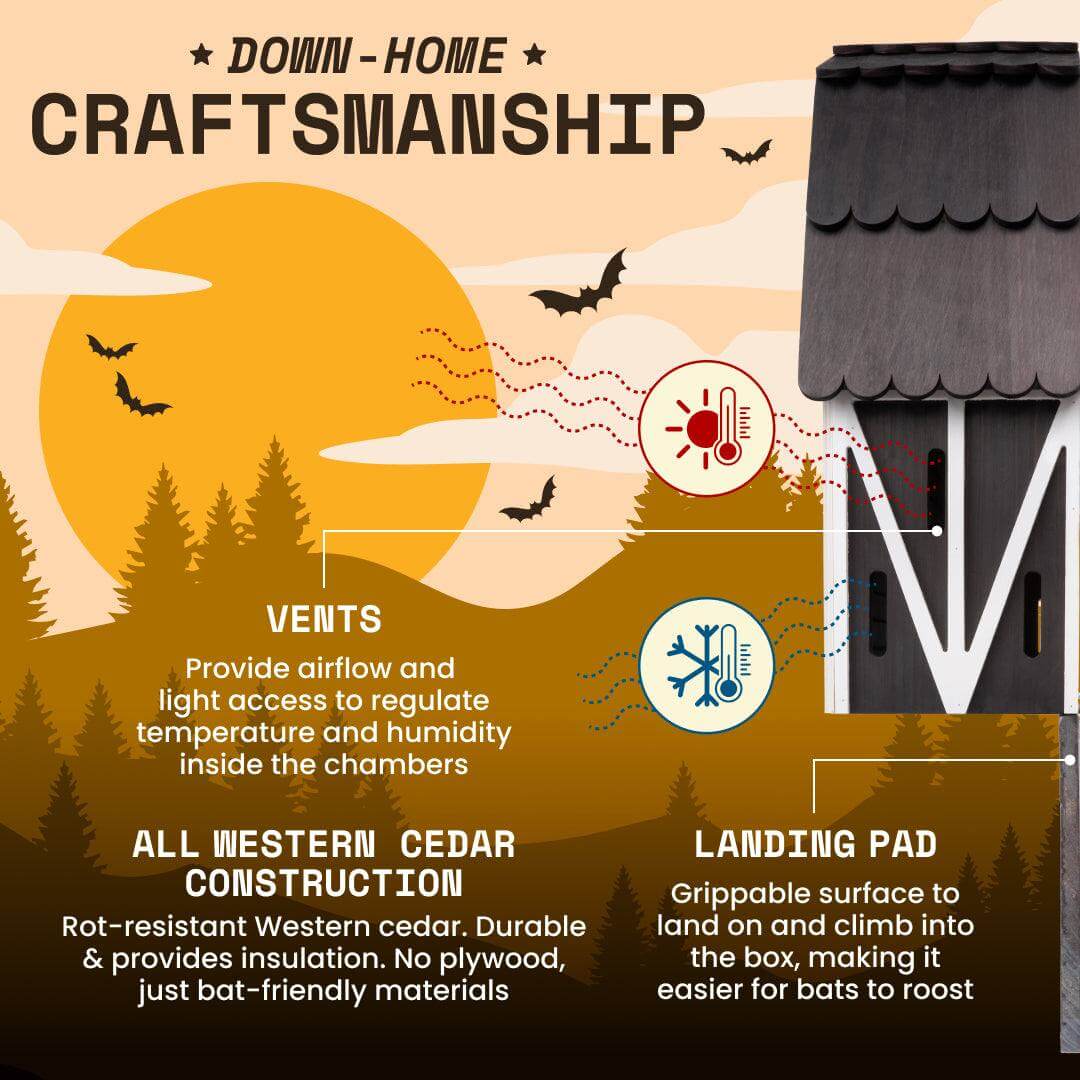
Rough-sawn throughout. Every interior face is grooved so bats can climb and hang securely — the detail that decides whether a habitat gets used at all.
Built for open ground. Sized for larger gardens, paddocks and smallholdings with insects to work and clear flight lines. Solid cedar weathers without chemical treatment.
Handcrafted cedar, built to last. Arrives fully assembled with mounting hardware and the Bat Conservation International siting guide. No expertise required.
Full instructions are in the Bat Conservation International guide included with your bat house.

One-chamber bat houses are a popular choice for smaller gardens and yards. If you have limited space, a one-chamber bat house is a great choice because it won't take up too much room. However, if you have a larger property, you may want to consider a 2-chamber or 3-chamber bat house, which can provide more space for bats to roost.

One of the main advantages of a two-chamber bat house is that it can accommodate more bats than a one-chamber bat house, making it a great option for larger properties or those looking to attract more bats. The additional space also provides a more comfortable environment for bats to roost and raise their young.

Three-chamber bat houses offer several key advantages over one- and two-chamber designs. They provide more space for larger colonies, support better temperature regulation throughout the year, and encourage social bonding among bats, which can enhance pest control. Built from durable, high-quality materials, these bat houses are a long-lasting and practical choice for any bat enthusiast.
why choose big bat box?
Expert-certified, climate-ready, and loved by bats, owls & bees — WildYard wins. ✅
| Feature | Big Bat Box / WildYard | Competitors |
|---|---|---|
| Certified by bat-conservation experts | ✔ MTBC certified; “Bat-Conservation Approved”. | ✖ Not certified, often ignores conservation guidelines. |
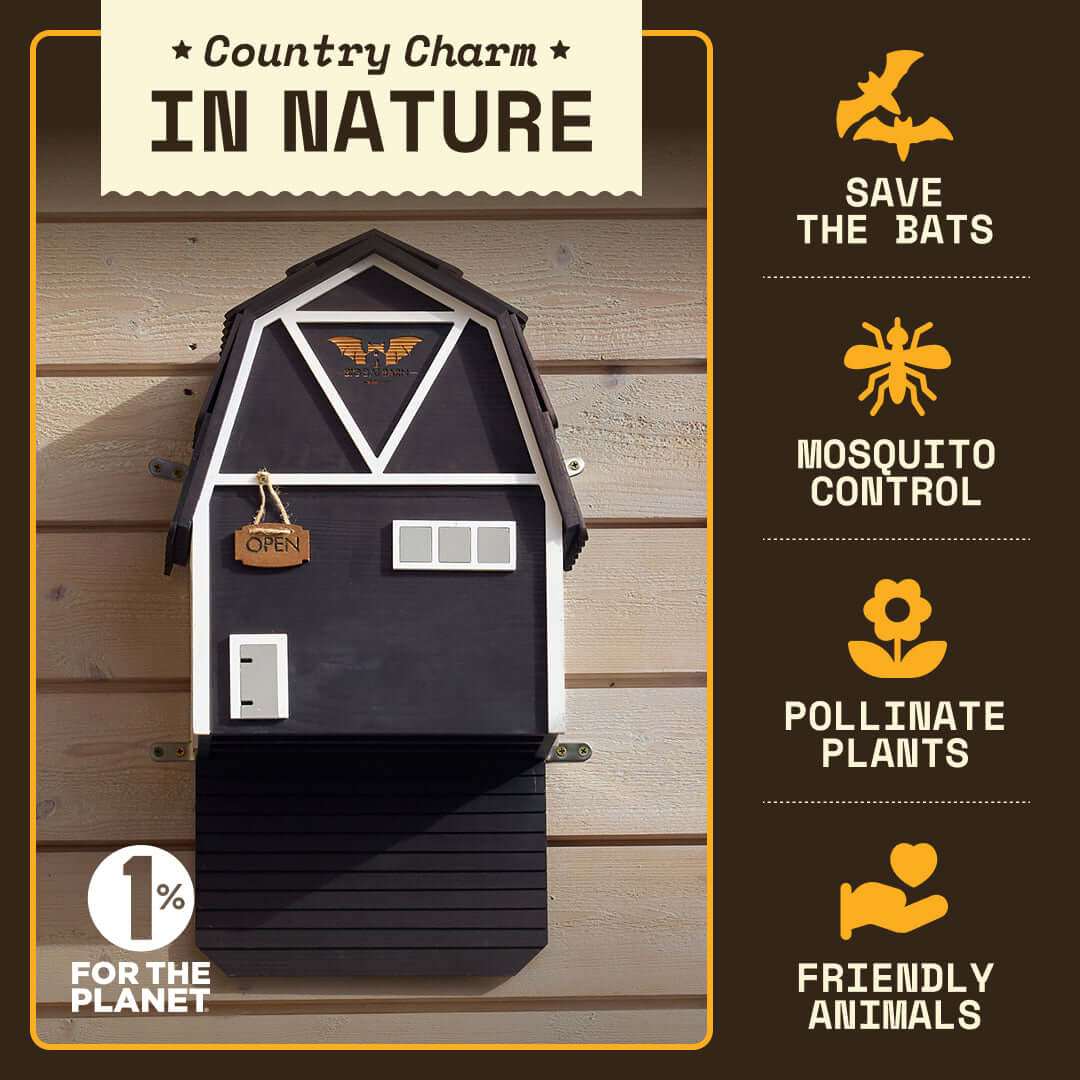
| Contribution to conservation | ✔ 1% for the Planet → global conservation support. | ✖ No contribution. Profit-only. |
| Bat-friendly interior design | ✔ Scored wood, no mesh, natural grip. | ⚠ Mesh/smooth interiors = low occupancy or injury. |
| Materials & build quality | ✔ Cedar / premium wood. Weather-resistant. | ✖ Thin pine, staples, leaks/rot common. |
| Climate / region adaptability | ✔ Multiple chamber / colour options by climate. | ⚠ One-size; poor heat stability. |
| Value vs quality | ✔ Fair pricing + high quality = real value. | ⚠ Cheap upfront, costly long-term. |
| Reputation / reviews | ✔ Excellent verified reviews; high occupancy. | ❓ Few reviews; low occupancy common. |

Installation Guide
You can download the installation guide by clicking the button below.
Size affects both capacity and climate control. A 2-chamber bat house can host around 50–75 bats and suits smaller yards or bachelor colonies. Larger 3- or 4-chamber bat houses can hold several hundred bats, including maternity groups, and they retain heat more evenly—important in regions with wide temperature swings.
Too small can limit success, but too big is rarely a problem. If you have space and sun exposure, choosing a larger house gives you the best long-term results.
The best bat house color depends on your local climate. Darker colors, like black or dark brown, absorb more heat and work well in cooler regions with mild summers. Medium shades, such as natural wood or mid-tone brown, suit temperate areas. Light colors, like cedar or tan, reflect sunlight and are best in hot climates where summers regularly exceed 95°F (35°C). The goal is to keep the bat house interior within the preferred range of 80–104°F (27–40°C).
For example in the US:
If you’re unsure, it’s usually better to go a bit darker, especially in areas with cooler nights.
The capacity depends on size and placement. A 2-chamber bat house may host 50–75 bats, while larger 3- or 4-chamber houses can support several hundred, including maternity colonies.
Since bats cluster for warmth, providing enough roosting space helps them thrive. If you’re unsure which size to pick, it’s generally better to go larger—too big is rarely a problem, while a box that’s too small can limit colony growth and reduce long-term success.
Some bat houses attract residents within a few weeks, but on average it takes 2–6 months. Larger houses can take up to two years to host a colony.
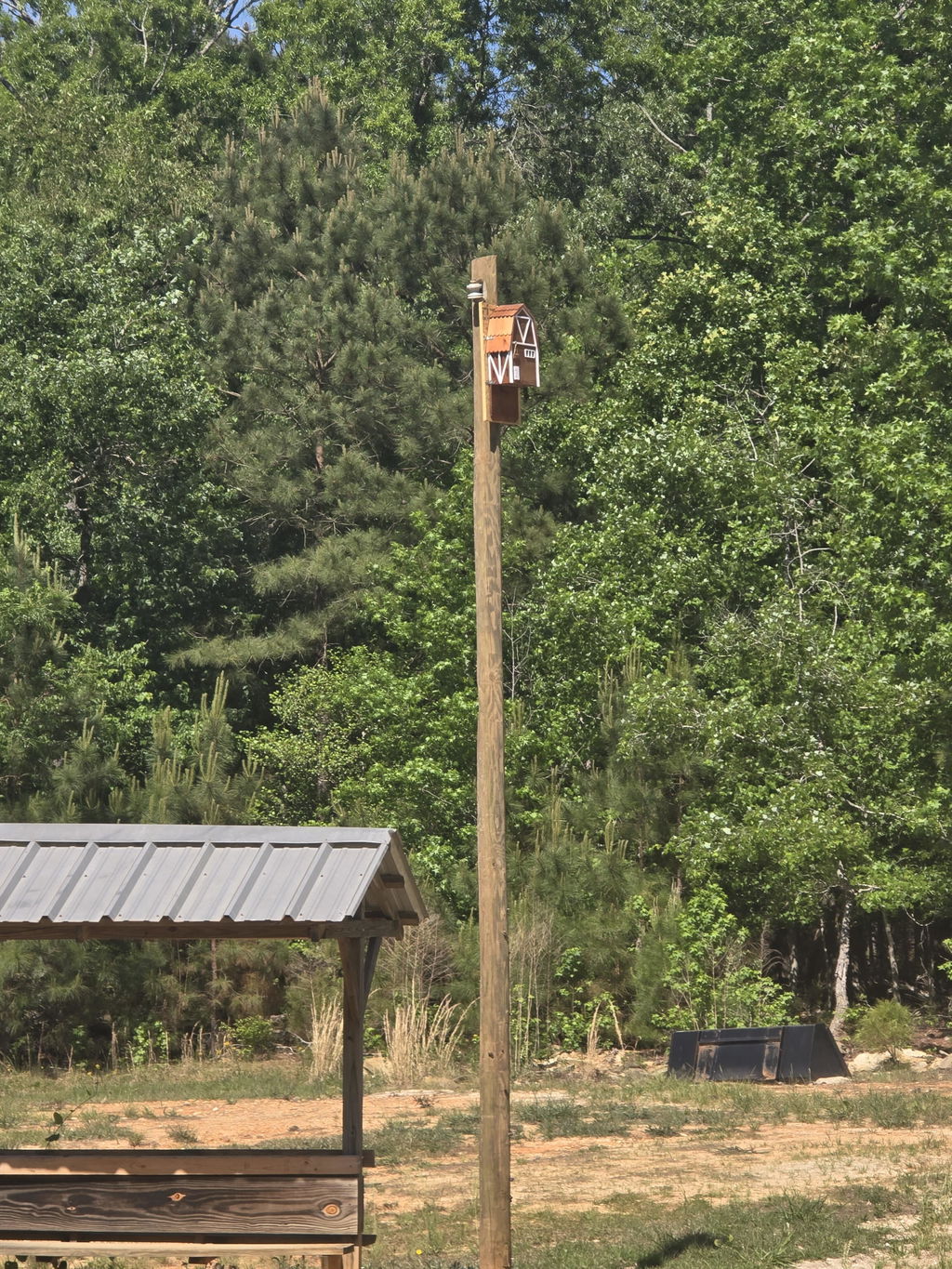
Location is key: place the box near water, in an open, sunny area, and at the correct height (15–20 feet / 4.5–6 meters). Bigger houses often fill more quickly once discovered, since they offer multiple roosting options. If in doubt, choosing a larger model improves your chances of attracting and retaining bats.
Yes—bats are highly effective insect predators. A single bat eats thousands of mosquitoes and crop pests each night, making them natural, chemical-free pest control. Unlike insecticides, which can harm pollinators and other wildlife, bats target insects while supporting biodiversity.
Installing a bat box reduces pests and helps conserve bat populations, many of which are at risk from habitat loss. Larger bat houses also encourage bigger colonies, which means more effective pest control for your property.


