

















Owl Sounds Decoded: Hoots, Screeches, Whinnies and Hisses
A field guide to owl sounds at night: screech owl whinnies, barn owl shrieks, great horned hoots, and how to tell owls from foxes and nightjars.


The WildYard Owl Box gives Eastern Screech Owls, Northern Saw-Whet Owls, and Boreal Owls a safe, weatherproof nesting cavity — replicating the natural tree hollows they depend on. Once installed, owls provide silent, chemical-free rodent control every single night.
A pair of screech owls raises 3–5 owlets per year and hunts mice, voles, shrews, and large insects nightly. One owl family can eliminate hundreds of rodents per season — no traps, no poison, no effort on your part.
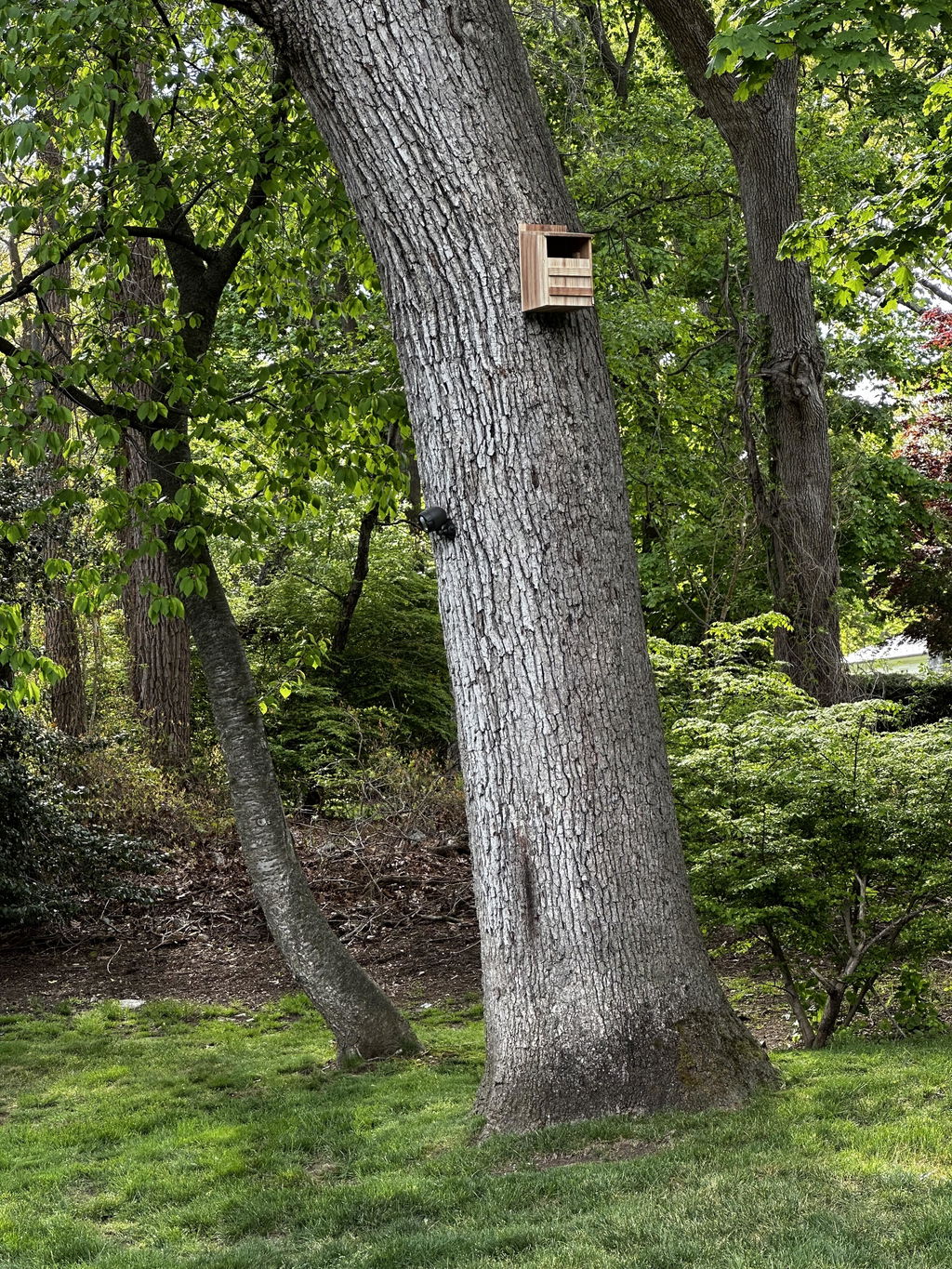
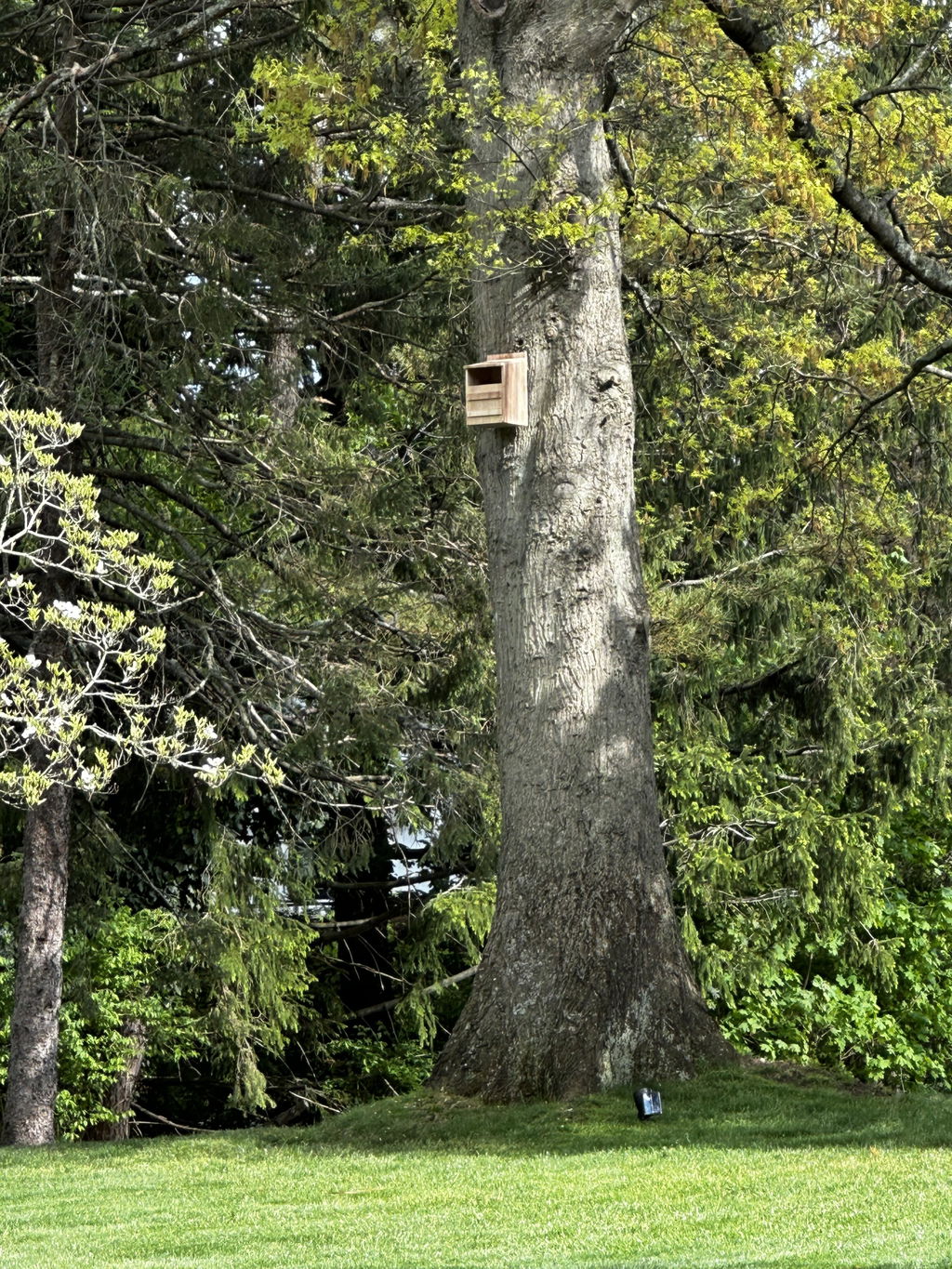
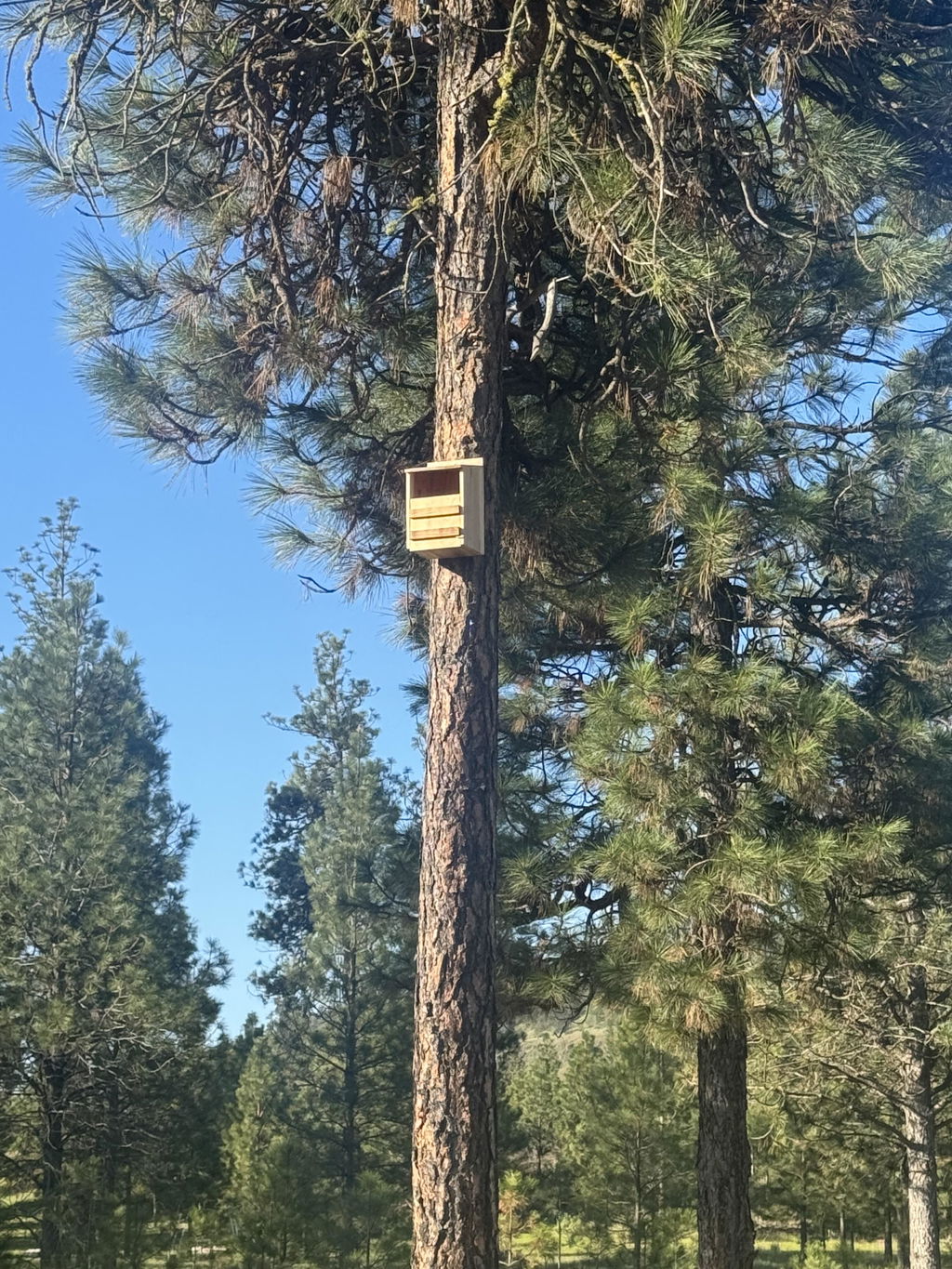
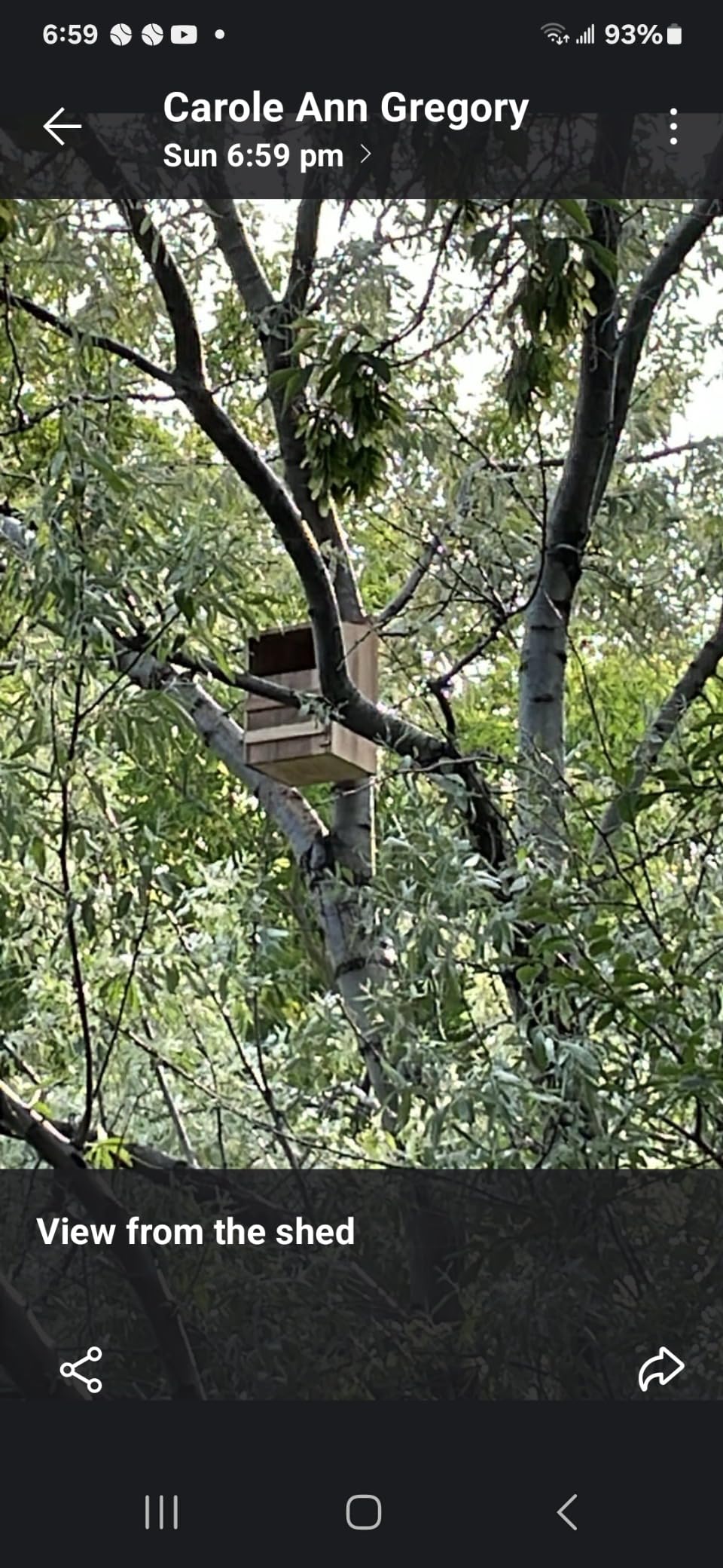
Height: 10–15 feet above the ground. Higher placements reduce predator risk and increase occupancy rates.
Location: Mount on a pole, tree, or side of a shed near open fields, meadows, or wooded edges. Owls need open hunting ground nearby.
Direction: Face the entry hole away from prevailing winds. In northern climates, southeast-facing works well.
Avoid: High-traffic areas, bright outdoor lights, and spots with heavy branch cover directly below the entry hole (predator access).
Which owl species will use this box?
This box is sized for Eastern Screech Owls, Northern Saw-Whet Owls, and Boreal Owls. These are the most common backyard owl species across North America. Barn owls require a larger, different-style box.
How long until owls move in?
Owls scout new cavities in late winter and early spring. Put your owl box up by February for the best chance at first-season occupancy. Some customers see results in year one; others in year two. Patience pays off.
Do I need a permit?
No permit is required to install an owl box. Attracting owls to nest on your property is legal and encouraged. Screech owls and saw-whet owls are protected under the Migratory Bird Treaty Act, but a nest box is not regulated.
How do I clean the owl box?
Clean once per year after the nesting season ends (typically September–October). Remove old nest material and owl pellets, wipe the interior with a diluted bleach solution (1:9 ratio), let dry fully before rehanging. Do not clean during active nesting.
Can squirrels take over the box?
Yes — squirrels sometimes claim owl boxes before owls arrive. If squirrels move in, remove their nesting material in early winter (before owl scouting begins) and consider adding a metal predator guard to the mounting pole.
Should I add nesting material?
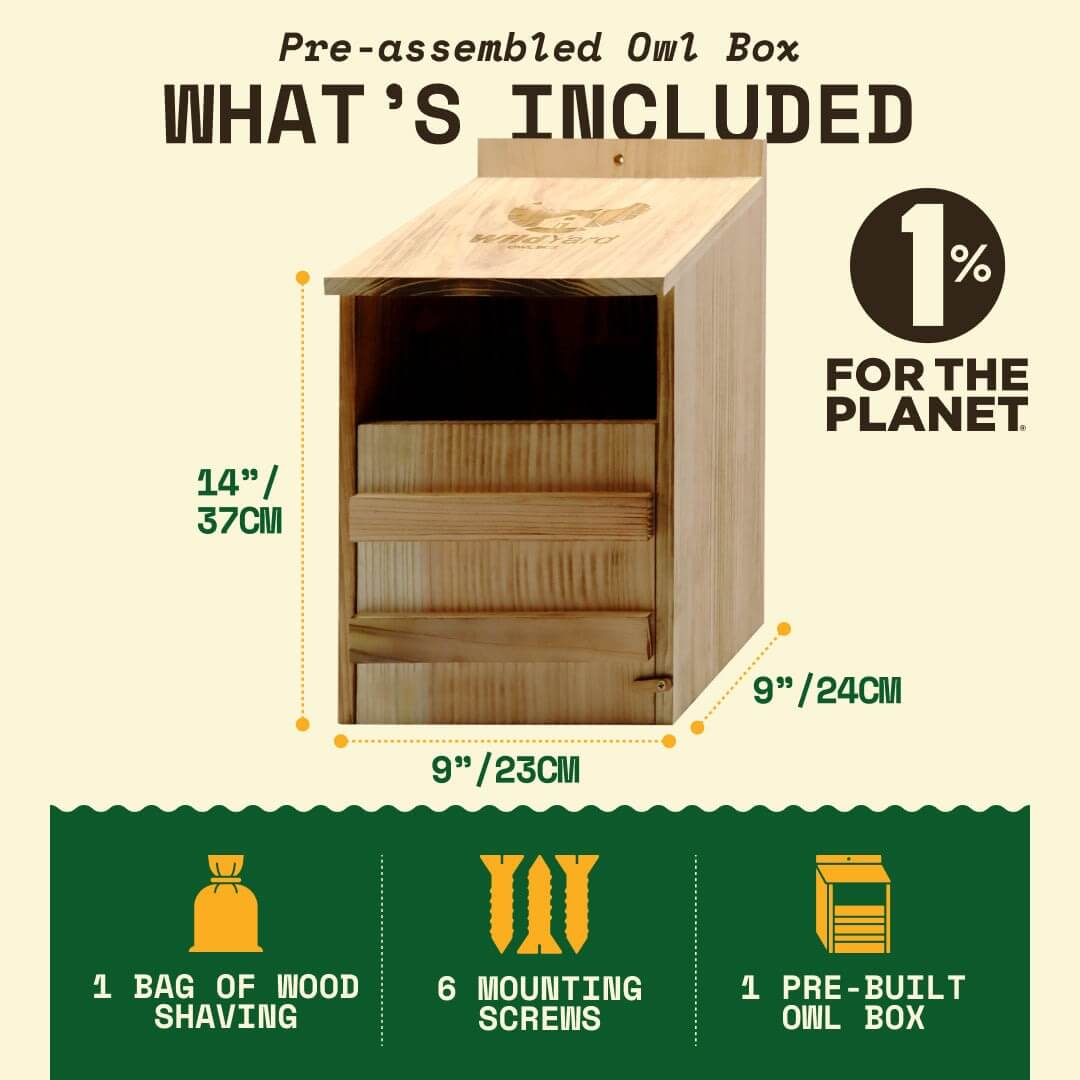
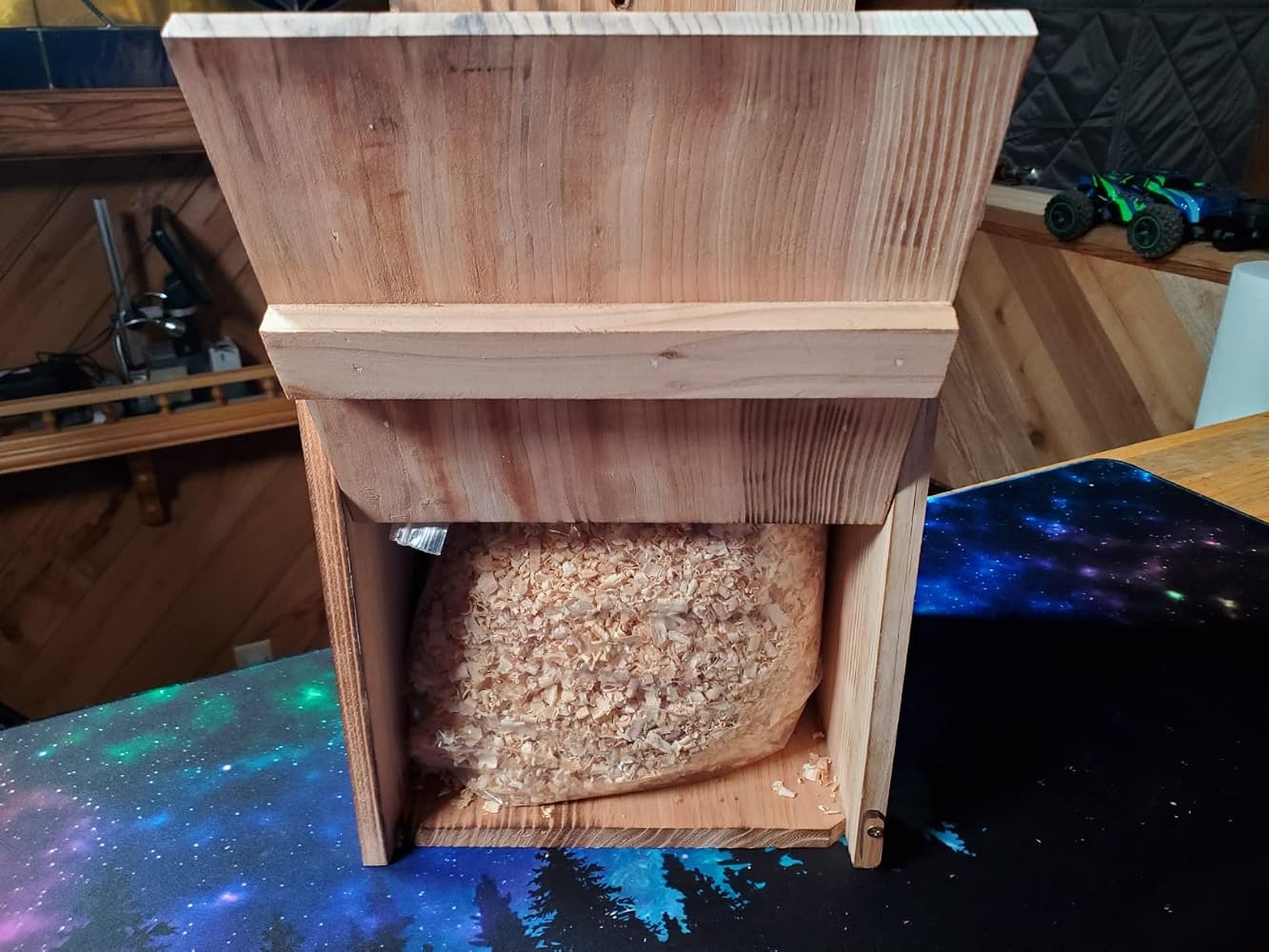
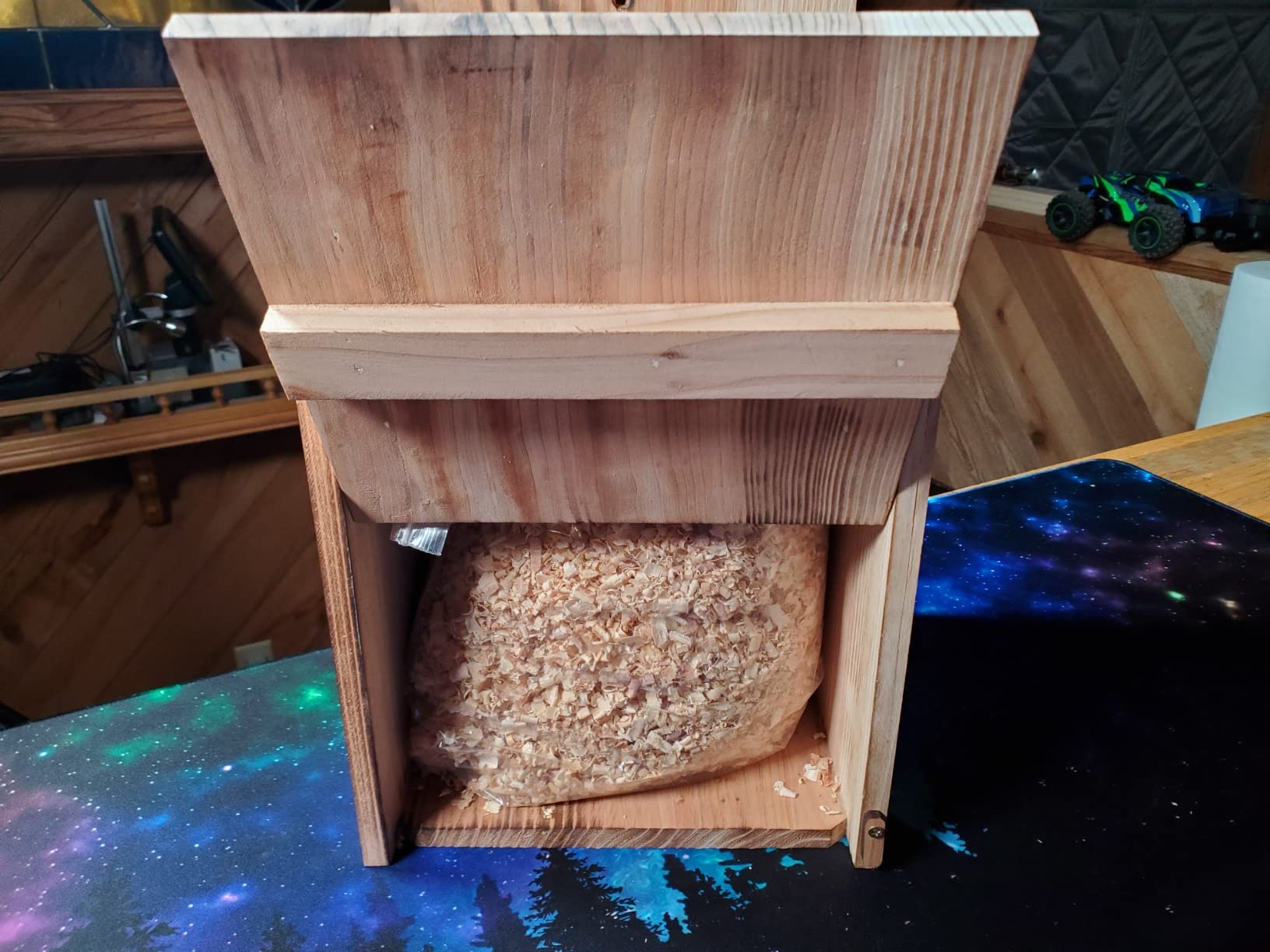
Add 2–3 inches of wood shavings (not sawdust) to the floor of the box. Screech owls don't build nests — they use existing material. Pine or cedar shavings work well.
My owl box has been up for two years and nothing has moved in — what now?
Check: (1) Is it getting enough sun or is it too shaded? (2) Is there open hunting ground nearby? (3) Is there a light source nearby? (4) Is the entry hole blocked or warped? Relocating the box a short distance sometimes makes the difference.
Please note: To preserve ecological balance, avoid placing owl boxes near bat boxes, as close proximity can disrupt the habitats of both species.
OUT IN THE #WILDYARD
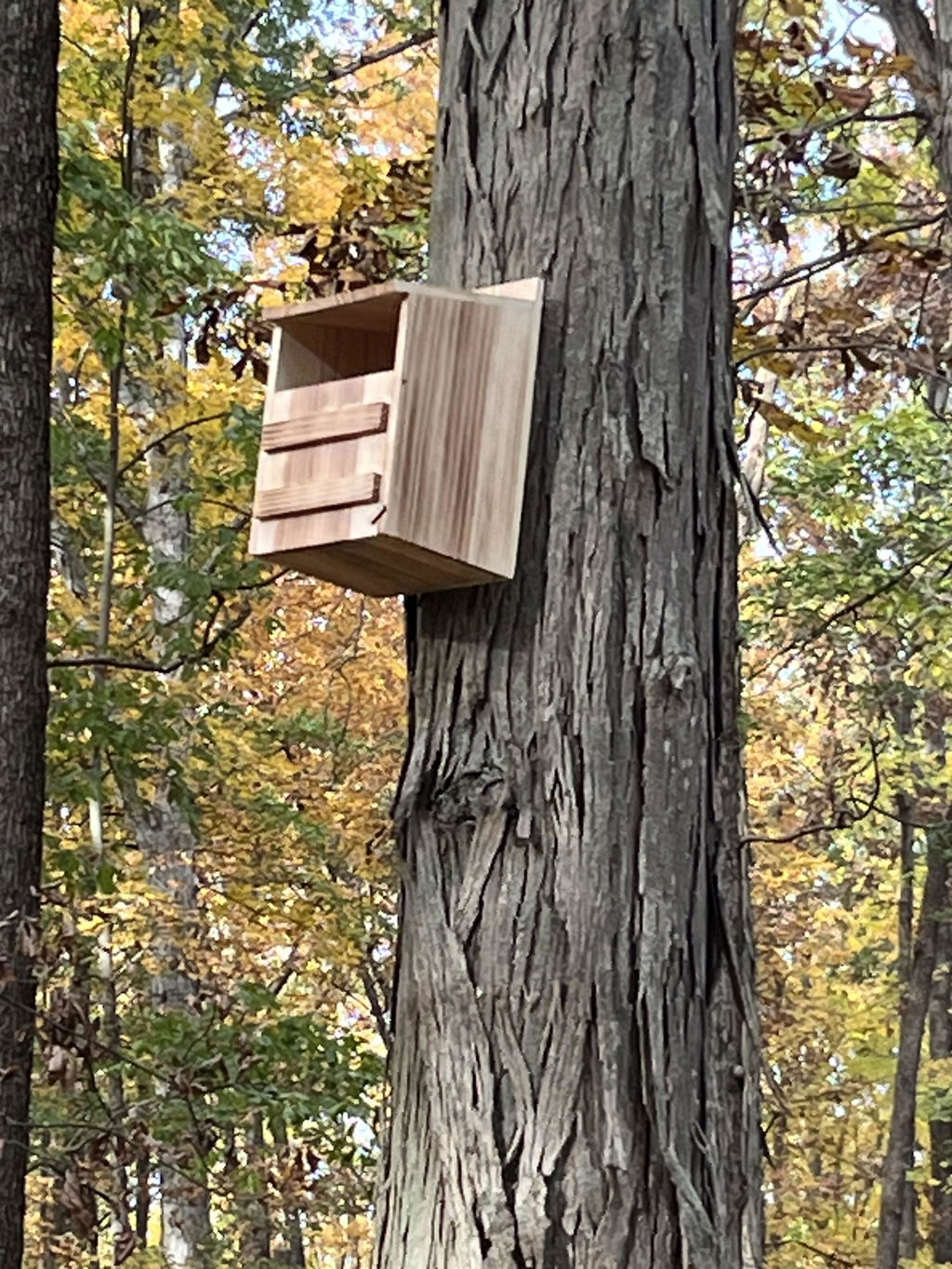
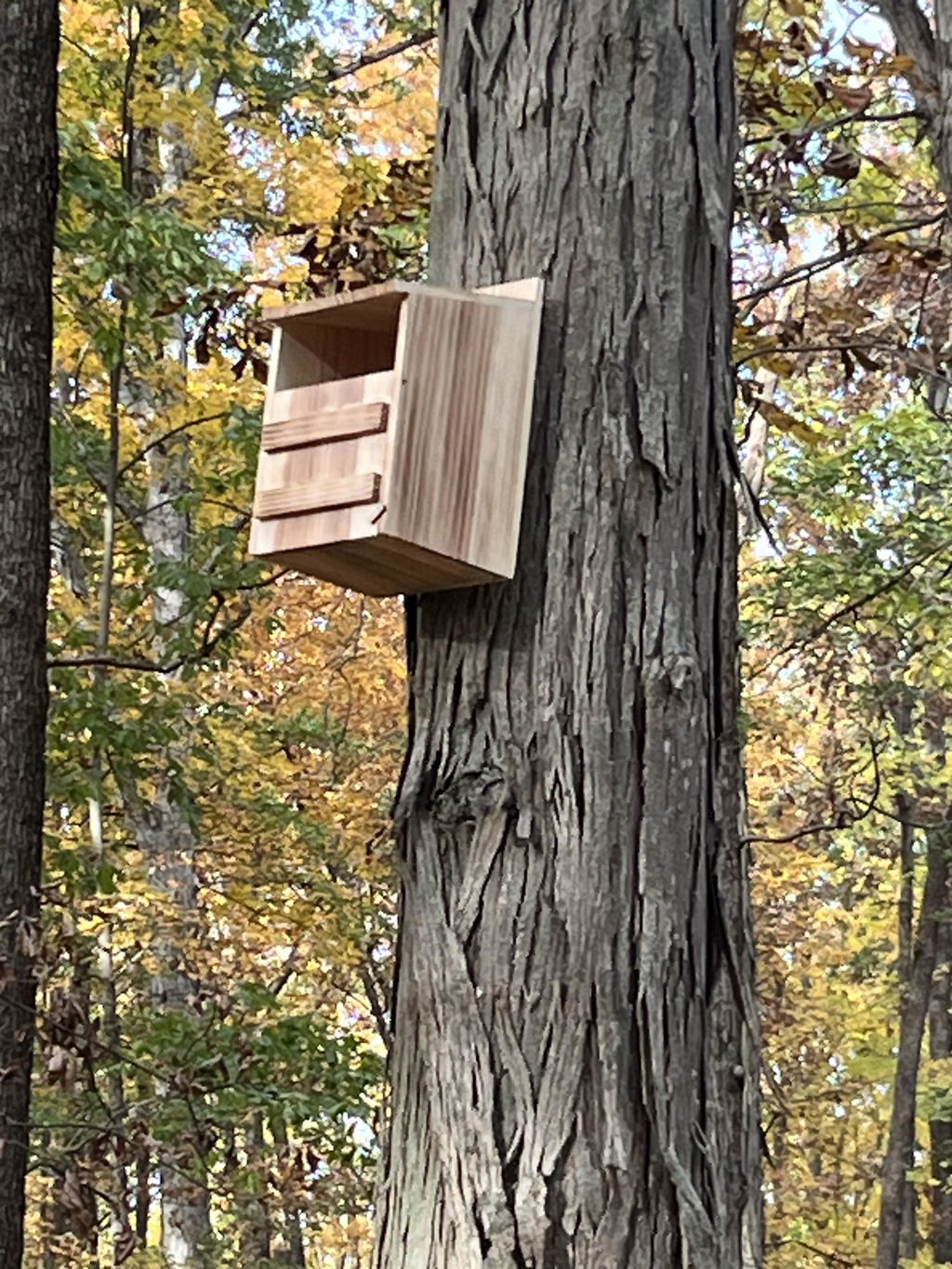
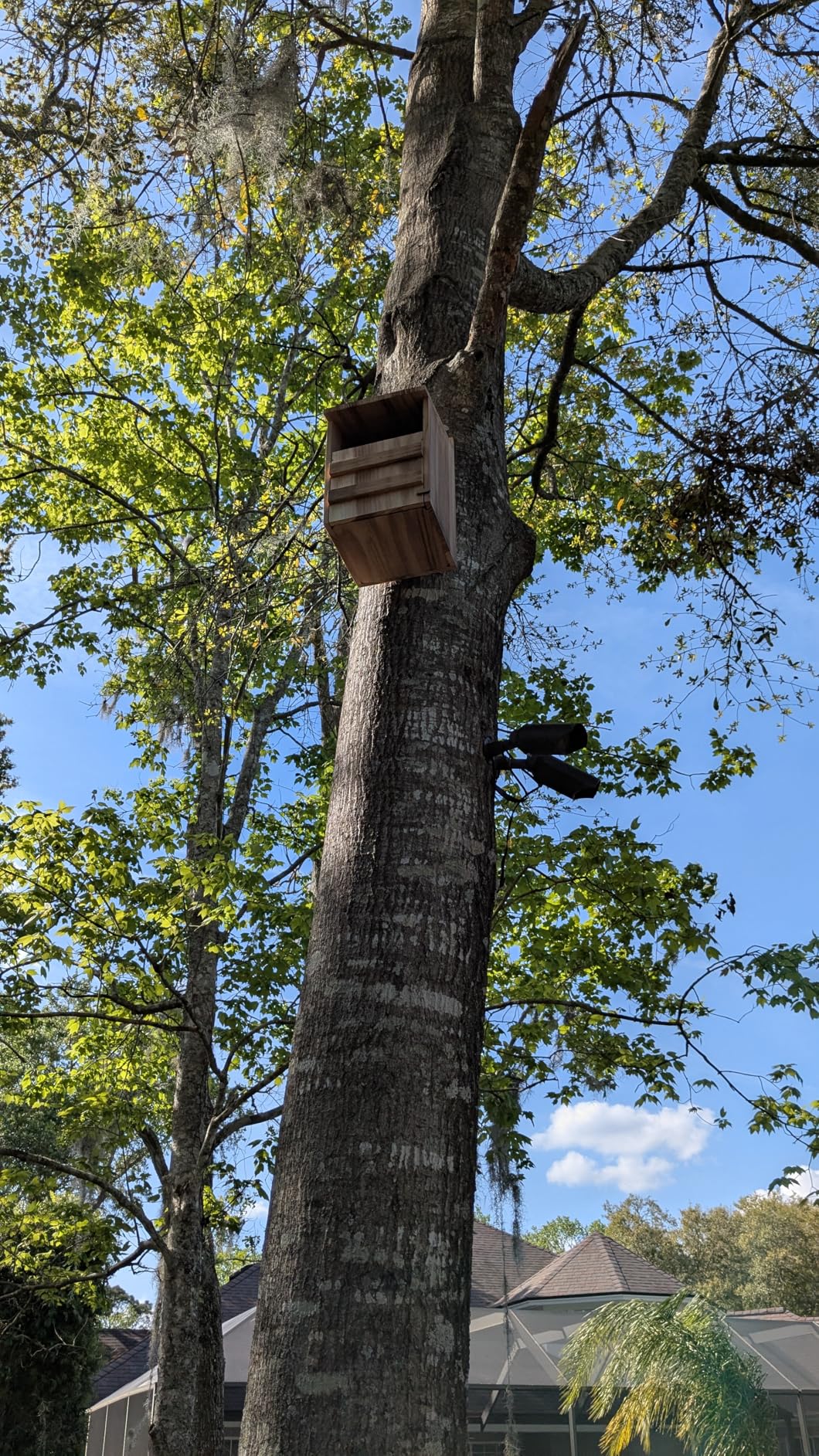
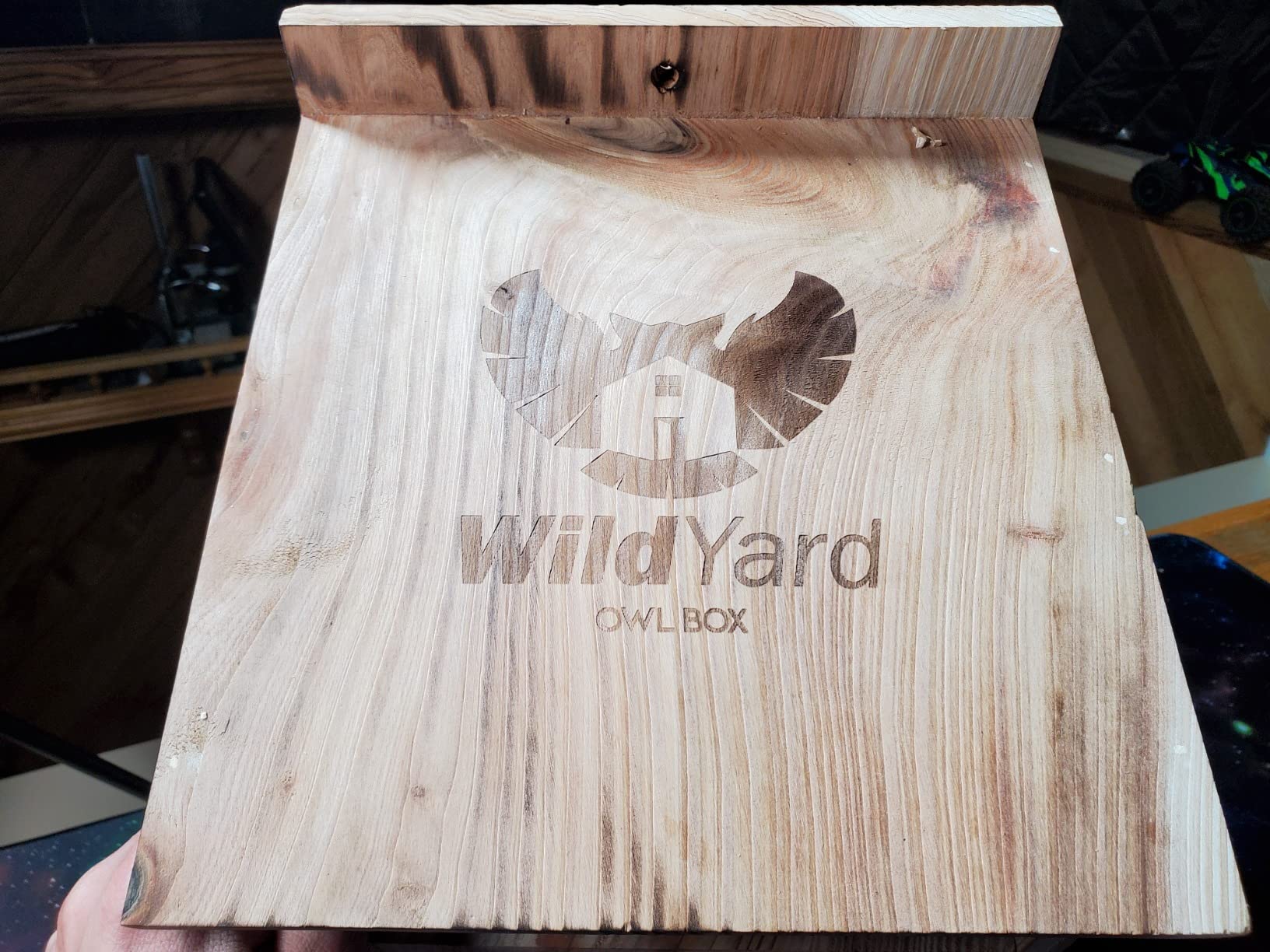
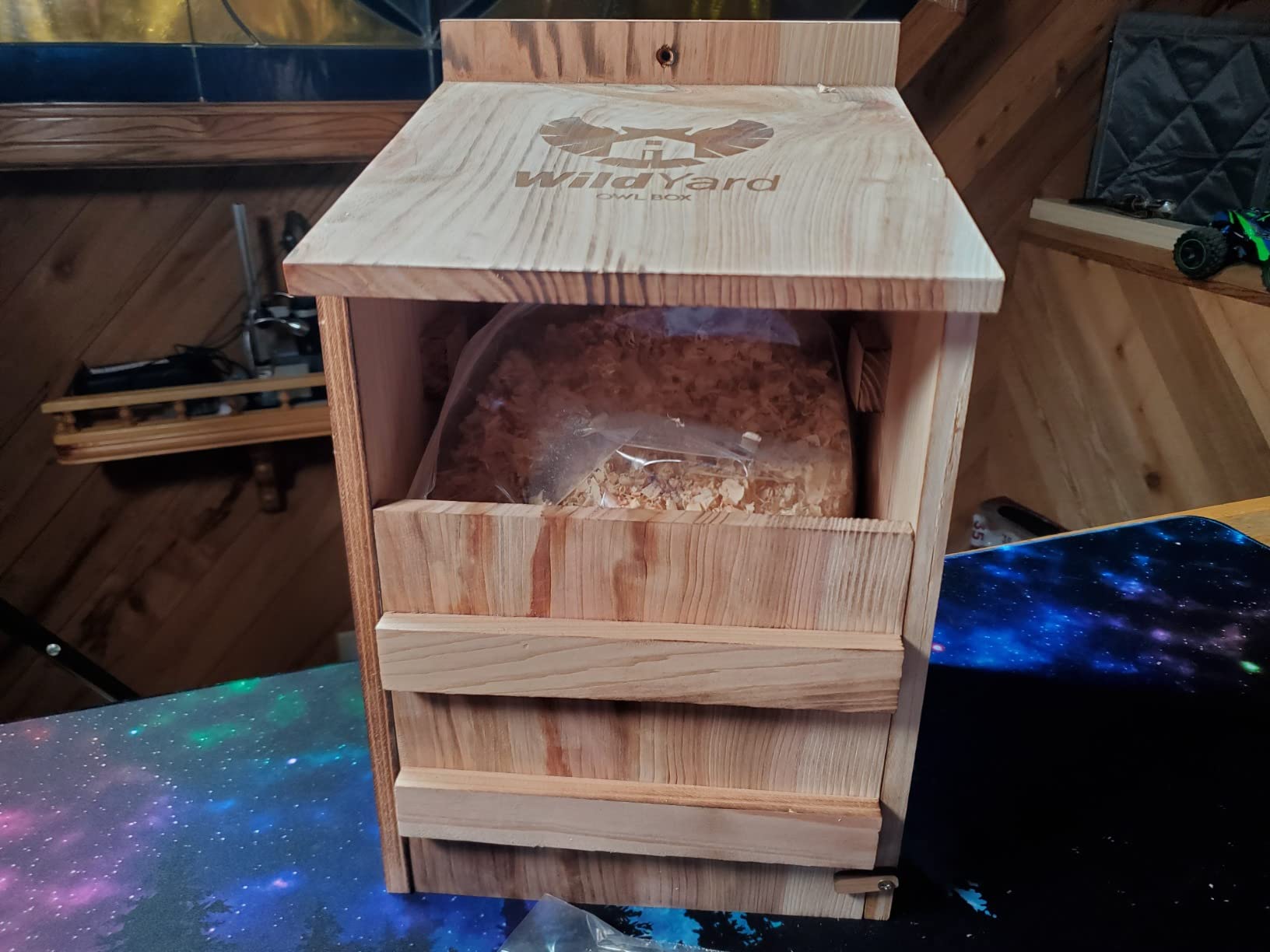
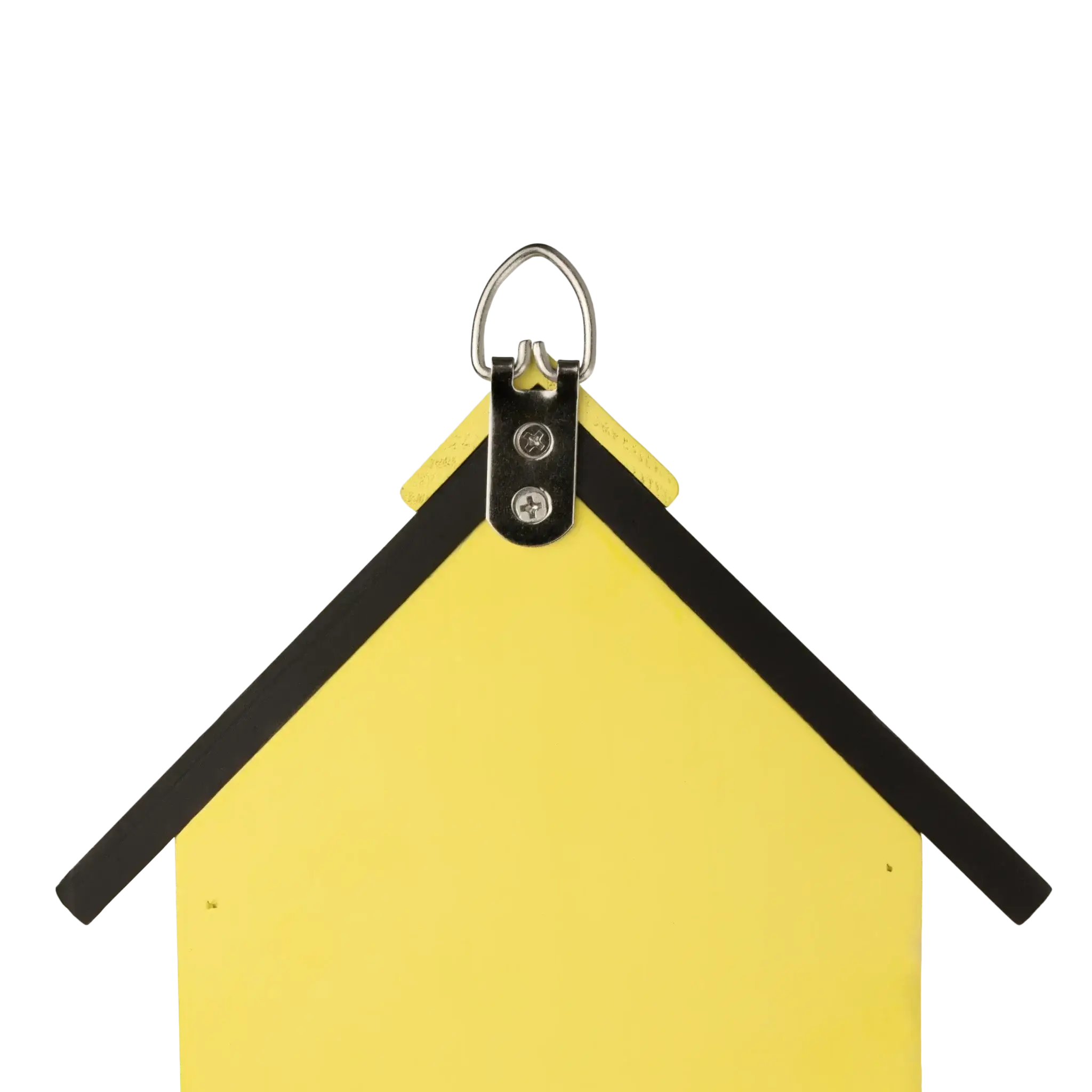
A closer look at the owl box.

Why an owl box + FAQs
An owl box is a simple way to give owls a safe place to live, and in return, the owls help control pests in your area, like mice and insects. It’s easy to set up, low-maintenance, and made to last. Plus, by buying one, you might even get to watch a new feathered neighbor go about their owl life!
Our owl box is designed for smaller cavity-nesting owls. It most often attracts Eastern and Western Screech Owls, Northern Saw-whet Owls, and Boreal Owls.
In the southwest, Elf Owls may also use the box if the entrance is adjusted. Barn Owls may show some interest, but they usually prefer larger spaces. These species are excellent natural rodent controllers and thrive in backyards, farms, and wooded edges.
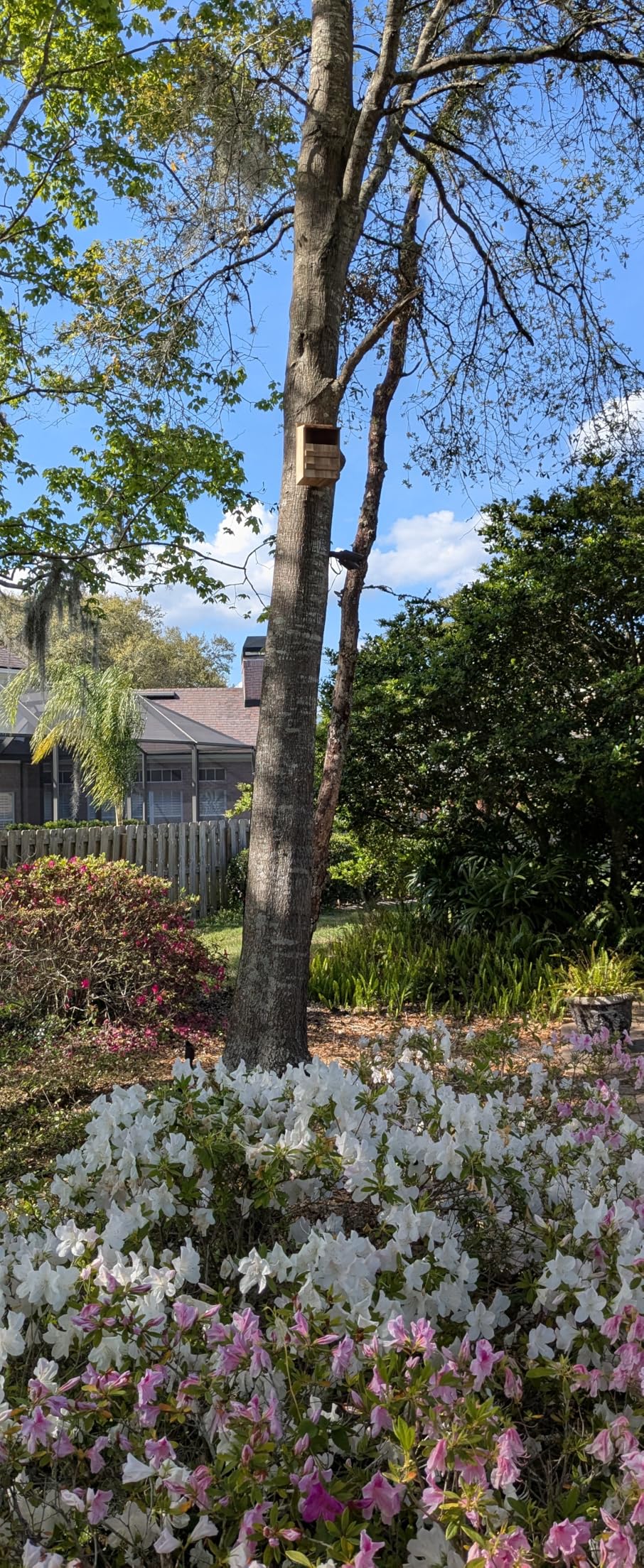
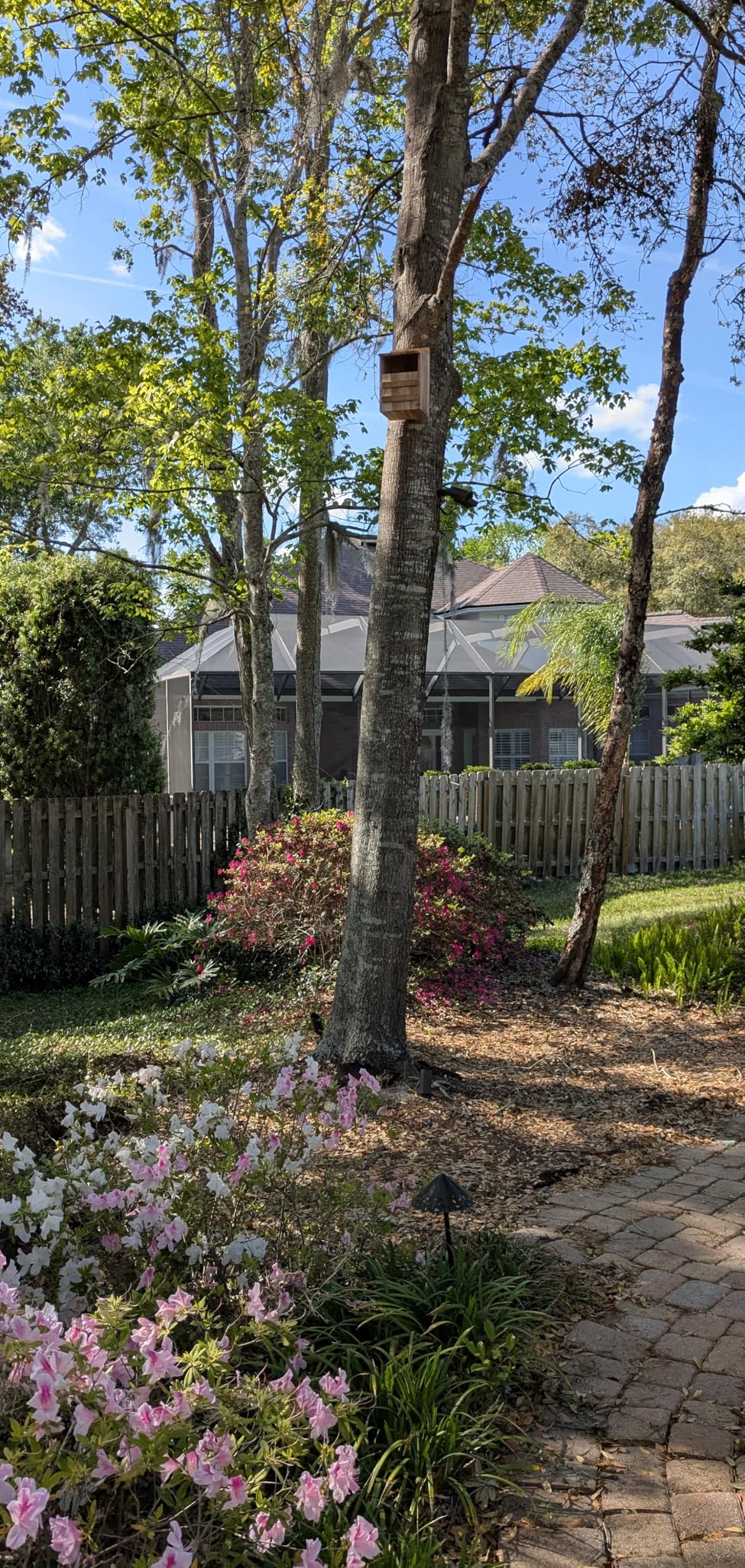
Mount the box 10–15 feet (3–4.5 meters) above ground on a tree, pole, or building. Choose a location facing open ground but angled away from prevailing winds.
Avoid spots blocked by branches or buildings—owls need a clear view of the entrance. Boxes are most successful near scattered trees, fields, or meadows, rather than in dense woods.
The owls that use this box are too small to hunt cats, dogs, or chickens. They mainly eat mice, voles, and insects.
While owls generally avoid prey that fights back, it’s best to keep very small kittens or young puppies away from the nesting area during breeding season. For most pets and backyard animals, these owls pose no risk.
There’s no lure or bait for owls—it comes down to location and patience. Mount the box at the correct height (10–15 feet / 3–4.5 meters), face it toward open ground, and avoid shaded or noisy areas.
Keep the entrance visible and free of branches. If your property has rodents, meadows, or scattered trees, owls are more likely to move in. Once they find a safe nesting site, they often return year after year.
Owl boxes provide safe nesting space for species that are losing natural tree cavities due to habitat loss. By hosting owls, you gain an ally in rodent control, reducing reliance on poisons or traps.
Owls are shy, so while they won’t become tame, they offer a chance to observe natural behavior up close. Installing a box supports conservation and strengthens the balance of your local ecosystem.
We love the owl box and can’t wait to see if an owl moves in soon!
Hi Amanda! We're so happy to hear you love your owl box. Fingers crossed for an owl visitor soon! Thanks for sharing your excitement.
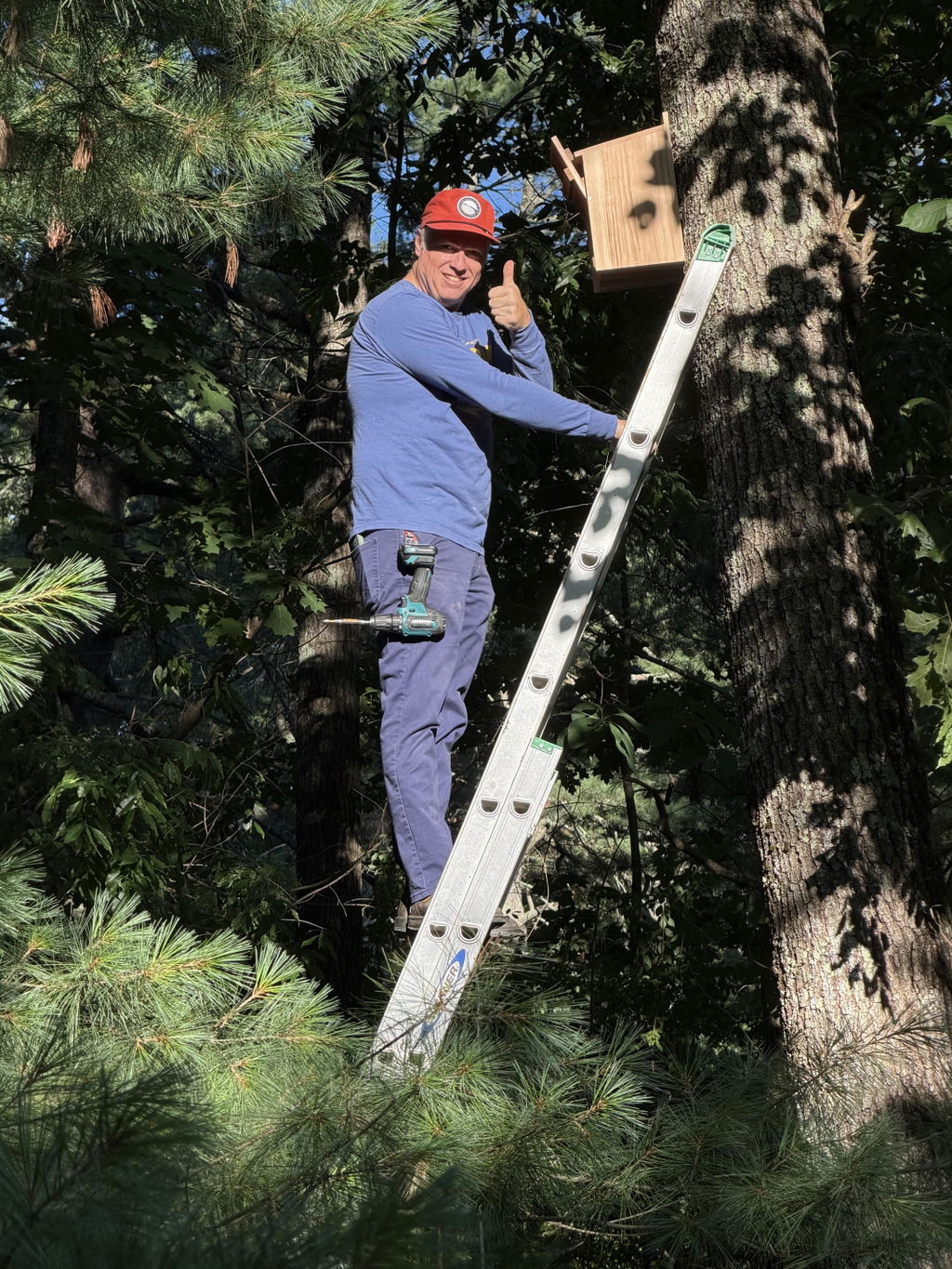
Nice Packaging, made well, smells great. Had alot of trials and errors that hopefully you can all avoid/ When your 30' ft high with aimpact driver it may be safer to do what I did after my first try. Make sure you take the door off before you install. You can't install 30ftt up with out the door removed, your drill won't unless you remove it first. Once I figured that out after 4x up and down the ladder it all went smooth. Just bring a phillips head with you to put door on after you install the box. Its been two weeks and no owls yet...but it looks like a great home if I were an Owl.....
Hi Dennis, thanks for sharing your experience! We're glad the packaging and build quality met your expectations. Your tip about removing the door during installation is very helpful. Fingers crossed for some owl visitors soon! Appreciate your detailed feedback.
Very well designed, easy to clean and built with a high level of quality.
Hi Brian, thank you for your kind words! We're so glad you find the Owl Box well designed and easy to clean. We appreciate your support!
Very high quality, installed out in front of our house, can’t wait for some action!
Thank you for your kind words and for choosing our Owl Box for Yards! We're so glad to hear that you are satisfied with the quality of our product and that it has been successfully installed in front of your house. We hope you will soon see some exciting action in your yard with the help of our Owl Box.
Nicely made and easy to install
Hi Robert,
Thank you for taking the time to leave a review for our Owl Box. We are so happy to hear that you found it nicely made and easy to install. Our team takes pride in creating products that are both high-quality and user-friendly. We appreciate your support and hope that you and your feathered friends enjoy the box in your yard. Have a great day!
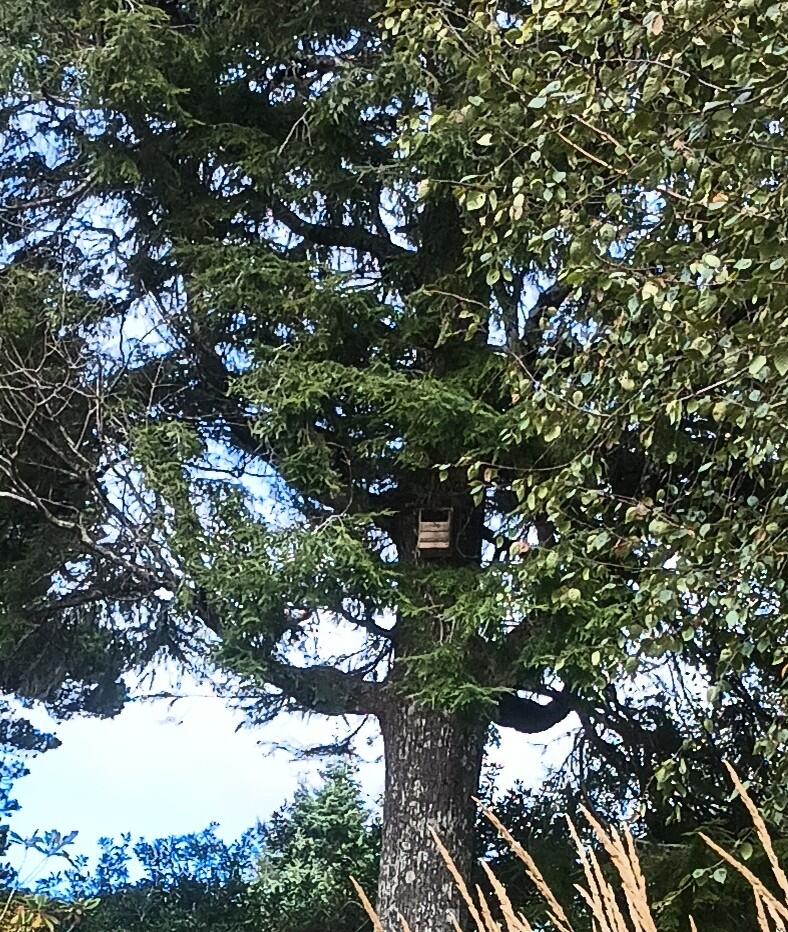
So far so good. It is hanging in a fir tree and I am just waiting to see if the owls in my neighborhood find it.
Hi Ramona,
Thank you for leaving a review for our Owl Box for Gardens! We are happy to hear that it is working well for you so far. We hope the owls in your neighborhood will enjoy their new home. Have a great day!
It’s beautiful, can’t wait to see owls living there!!!
Thank you for your kind words! We're so glad you love the owl box, and we hope those owls move in soon. Enjoy!
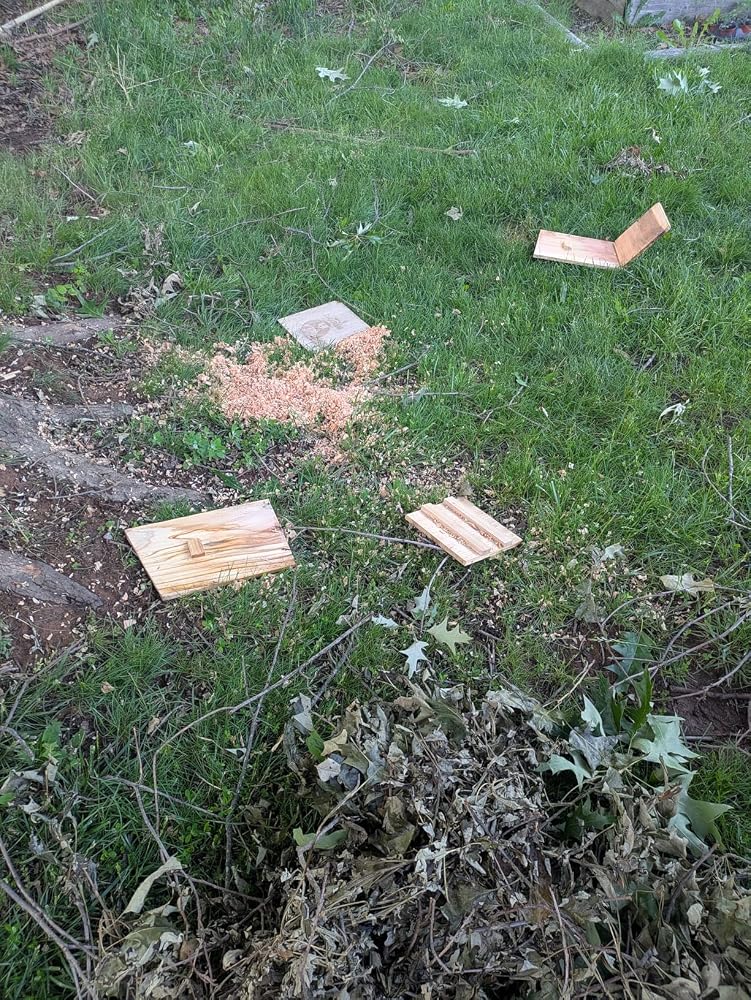
Updated review, adding a star as customer service is nice and reached out rectify the issue. //No owls moved in but maybe a squirrel tried to. This thing exploded and I found it in pieces.
This owl house is quite a bit smaller than I envisioned when I purchased it, and I am concerned that it will not attract the rather large Florida Barred owls that I am hoping for (even though a Barred owl is in the product's main listing photo). Size aside, the box is quite well constructed and does appear to be made of cedar. I needed to tighten 3 screws that were loose on the box, but it was otherwise perfect upon arrival.I used 5 of the included mounting screws placed through the pre-drilled holes and run into the tree. The small size of the box and the lightness of the cedar wood made it much easier to hang in the tree than I had anticipated, and so I was able to place it fairly high off of the ground, which hopefully will be a plus for attracting Barred owls.I actually like the box quite a lot, but it is fairly small. If it attracts a Barred owl family, I will return here and raise my review to 5 stars.
This owl house is quite a bit smaller than I envisioned when I purchased it, and I am concerned that it will not attract the rather large Florida Barred owls that I am hoping for (even though a Barred owl is in the product's main listing photo). Size aside, the box is quite well constructed and does appear to be made of cedar. I needed to tighten 3 screws that were loose on the box, but it was otherwise perfect upon arrival.
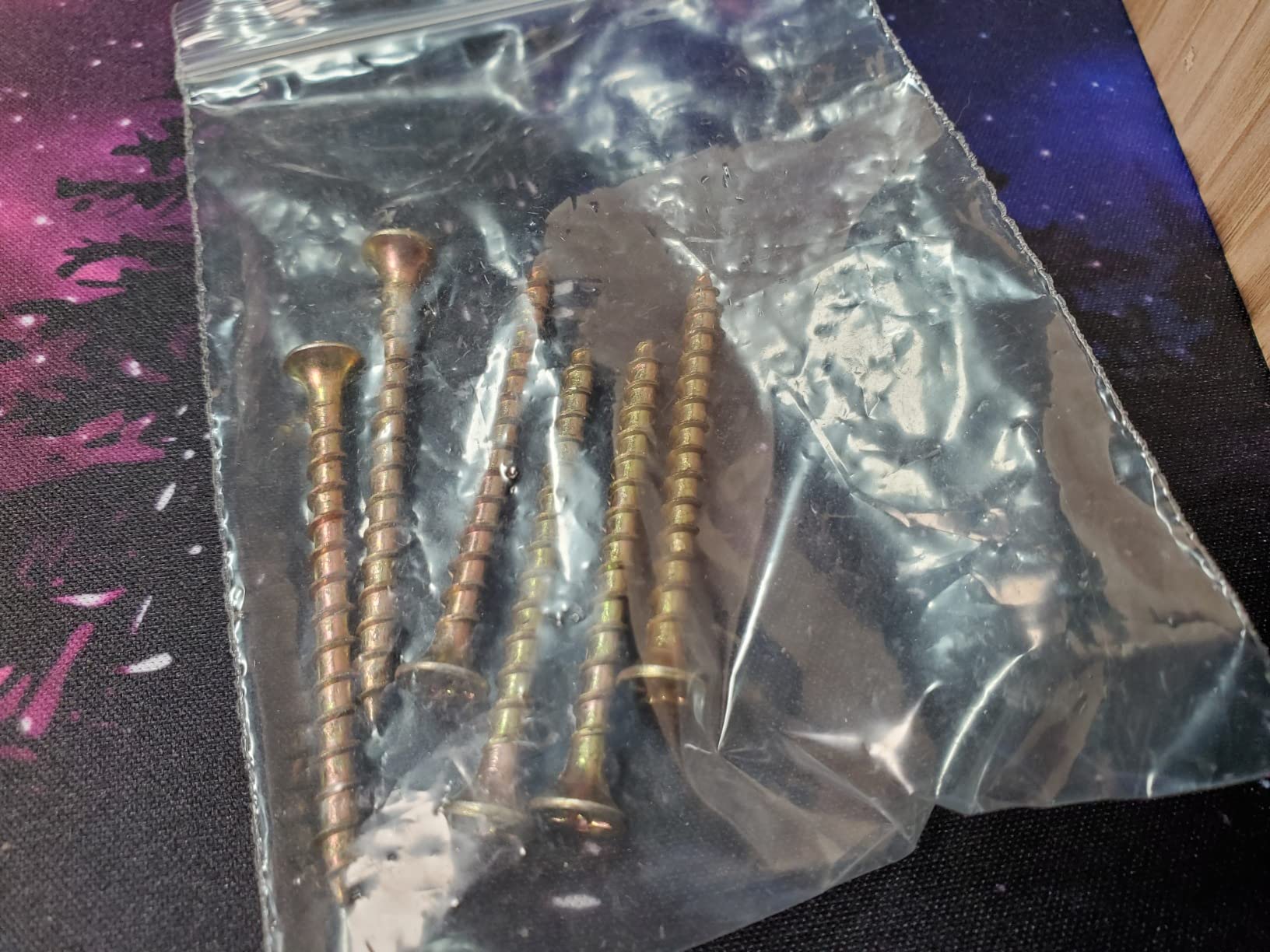
I used 5 of the included mounting screws placed through the pre-drilled holes and run into the tree. The small size of the box and the lightness of the cedar wood made it much easier to hang in the tree than I had anticipated, and so I was able to place it fairly high off of the ground, which hopefully will be a plus for attracting Barred owls.
I actually like the box quite a lot, but it is fairly small. If it attracts a Barred owl family, I will return here and raise my review to 5 stars.
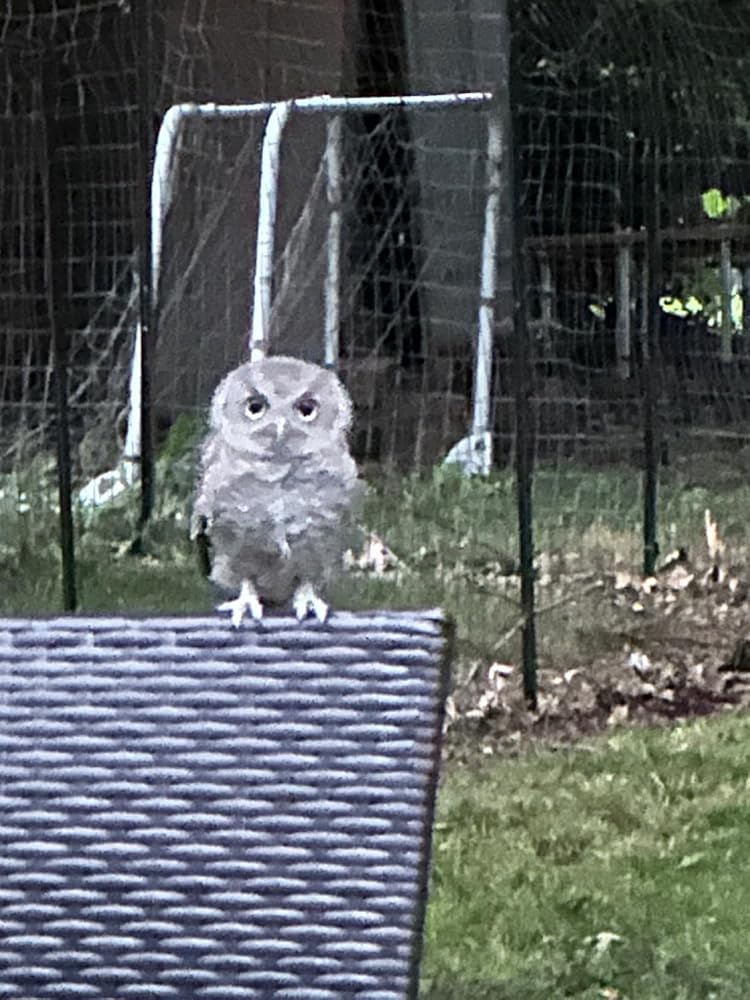
Get yourself a tall ladder and a drill and it’s easy to hang! After spotting 2 adult owls and their 2 fledglings in our yard, I had to encourage them to stay! House has been up for about 8 weeks and we haven’t seen them since, but I’m hopeful!
Get yourself a tall ladder and a drill and it’s easy to hang! After spotting 2 adult owls and their 2 fledglings in our yard, I had to encourage them to stay! House has been up for about 8 weeks and we haven’t seen them since, but I’m hopeful!
The building material great quality and will stand up to saskatchewan weather...ordered 5pm friday delivery 5pm sunday in time for gift opening
The building material great quality and will stand up to saskatchewan weather...ordered 5pm friday delivery 5pm sunday in time for gift opening
The media could not be loaded.
The Cedar Owl House by WildYard, is a solid choice if you’re looking for a simple cedar box with easy operation to attract local wildlife to hang out and stay a while. Here are some of the things I’ve learned while owning it and things to consider before buying.I. Quality – This one isn’t particularly great quality, but rather just a solid cedar box with a few screws. It appears to be good quality wood that has that distinctive cedar smell. There isn’t any finish or coating on it, but cedar holds up particularly well exposed to the elements.II. Performance – This is an effective box at attracting many kinds of wildlife, depending on your area. You might need to make some adjustments to location and access to increase your odds of it actually being an owl that calls it home, but its definitely capable of attracting one. They need to be placed high enough (usually over 10 feet) and you might have to block access to smaller animals.Overall, this is a well-made box that should attract some interesting tenants and provide many years of entertainment and fun watching them raise their babies. I’ll be sure to update this review, if I ever start to have problems with it.If you’d find it helpful to see an up-close visual inspection of this product, I recommend you watch my included video in full screen or landscape. They say a picture is worth a 1000 words, well it’s a video!You can trust that this review is simply my honest opinion that is attempting to provide you with helpful insight that I wish I had before I picked this product. Hopefully it was helpful in your decision.
The Cedar Owl House by WildYard, is a solid choice if you’re looking for a simple cedar box with easy operation to attract local wildlife to hang out and stay a while. Here are some of the things I’ve learned while owning it and things to consider before buying.
I. Quality – This one isn’t particularly great quality, but rather just a solid cedar box with a few screws. It appears to be good quality wood that has that distinctive cedar smell. There isn’t any finish or coating on it, but cedar holds up particularly well exposed to the elements.
II. Performance – This is an effective box at attracting many kinds of wildlife, depending on your area. You might need to make some adjustments to location and access to increase your odds of it actually being an owl that calls it home, but its definitely capable of attracting one. They need to be placed high enough (usually over 10 feet) and you might have to block access to smaller animals.
Overall, this is a well-made box that should attract some interesting tenants and provide many years of entertainment and fun watching them raise their babies. I’ll be sure to update this review, if I ever start to have problems with it.
If you’d find it helpful to see an up-close visual inspection of this product, I recommend you watch my included video in full screen or landscape. They say a picture is worth a 1000 words, well it’s a video!
You can trust that this review is simply my honest opinion that is attempting to provide you with helpful insight that I wish I had before I picked this product. Hopefully it was helpful in your decision.
The box is very well made and follows the online general instructions for owl nesting boxes. It is completely assembled with deck screws not nails. There are no instructions on where or how to hang it but that can be easily found online. The cedar smell is awesome and the included bag of cedar cups is generous. I give it a 5+.


