





Do Solitary Bees Sting? What to Expect When You Host Them
Mason and leafcutter bees can sting, but with no colony to defend they're non-aggressive. What to expect, plus how to site a habitat around kids and pets.


Let the bats do the job: one bat can eat hundreds of insects a night.
Add any two bat boxes to your cart, the second is 50% off!
A mosquito-free summer STARTS HERE!


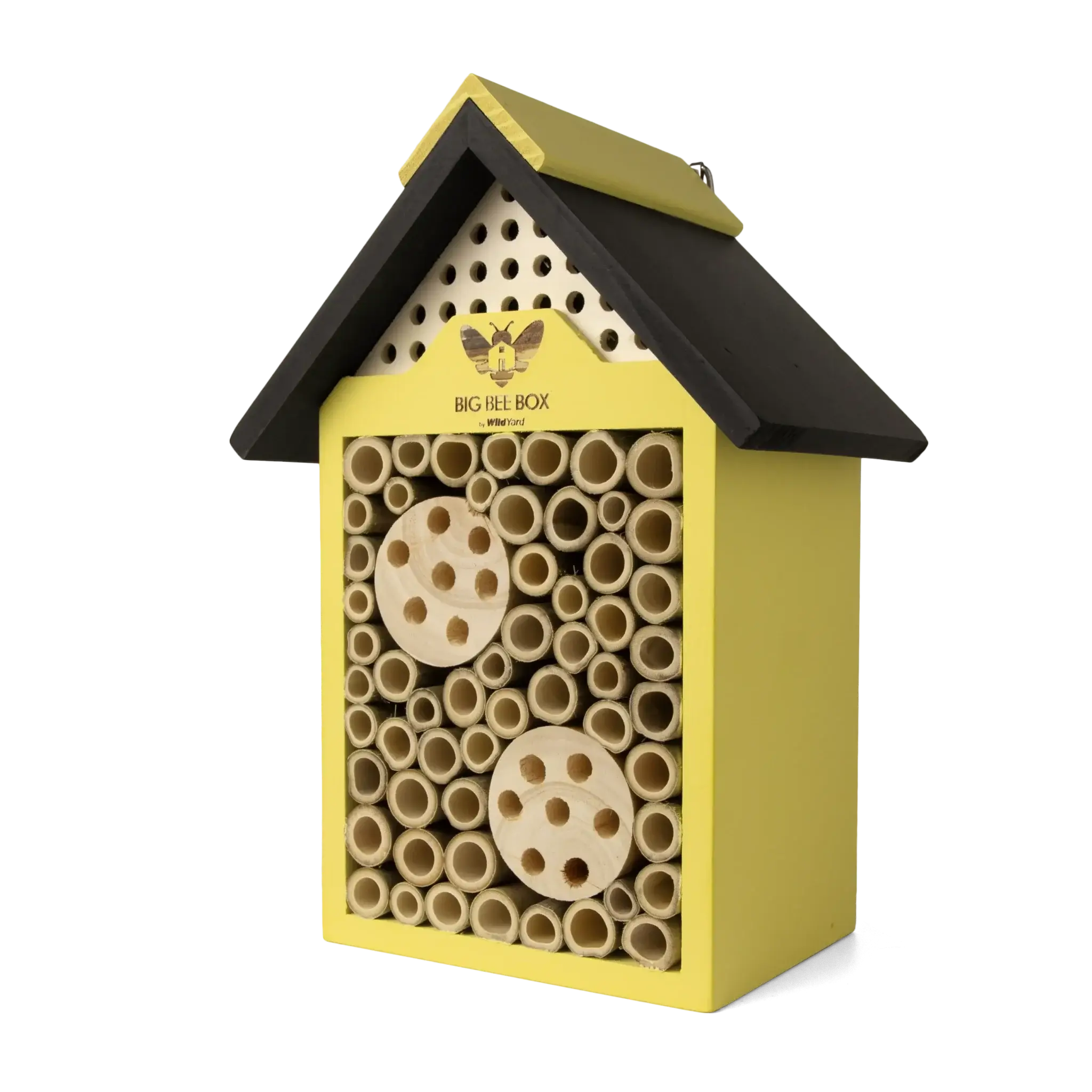
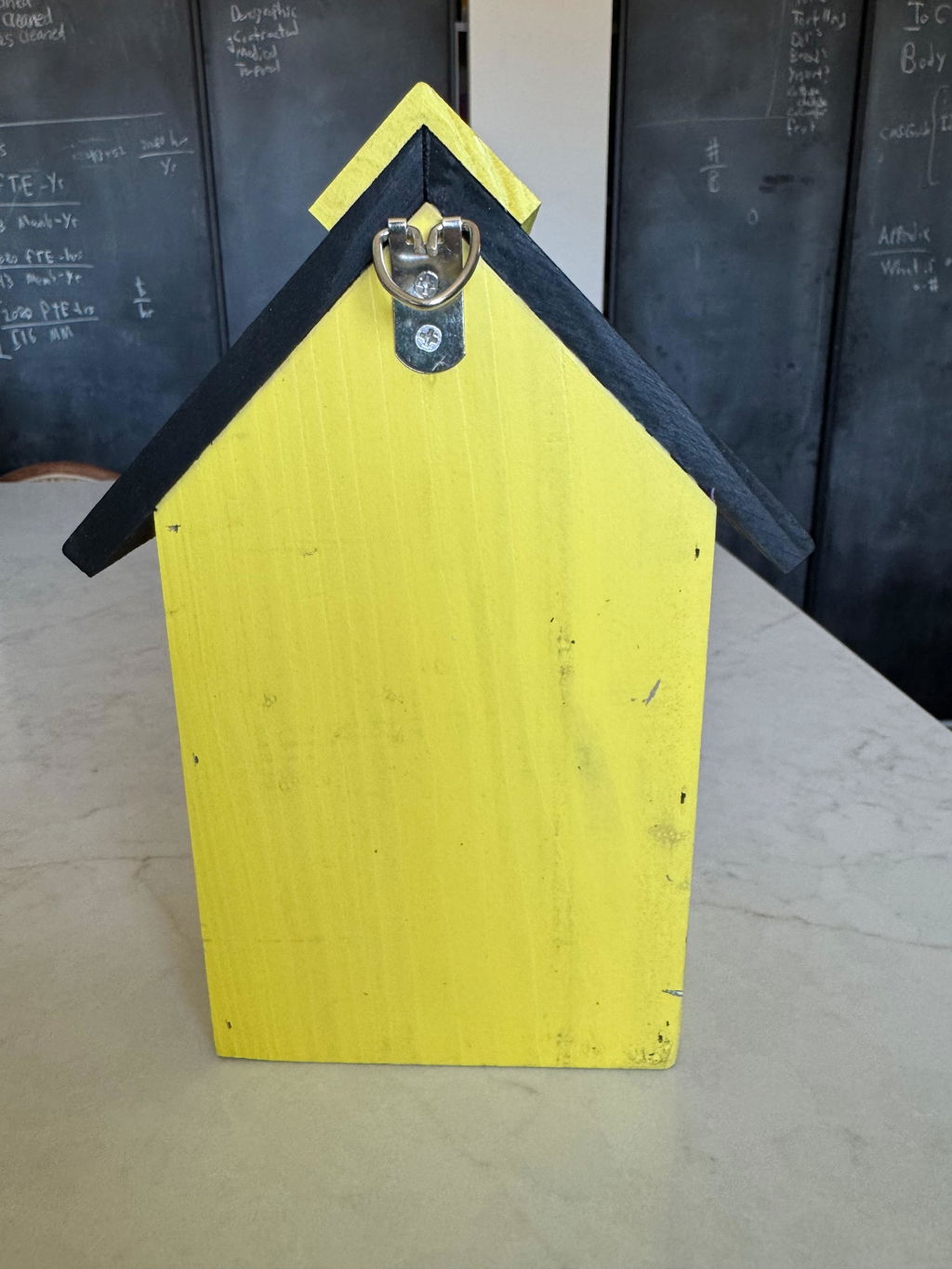
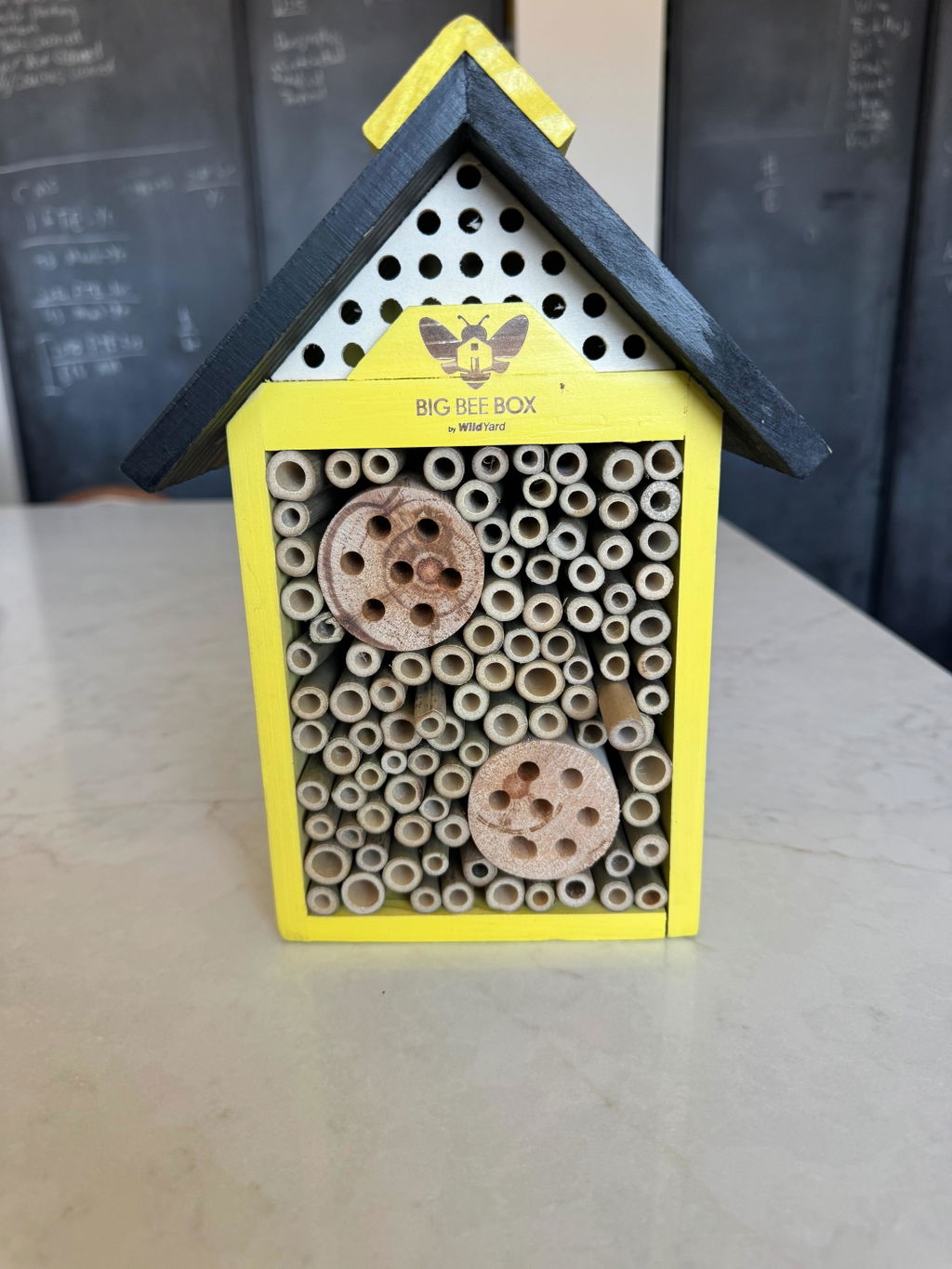
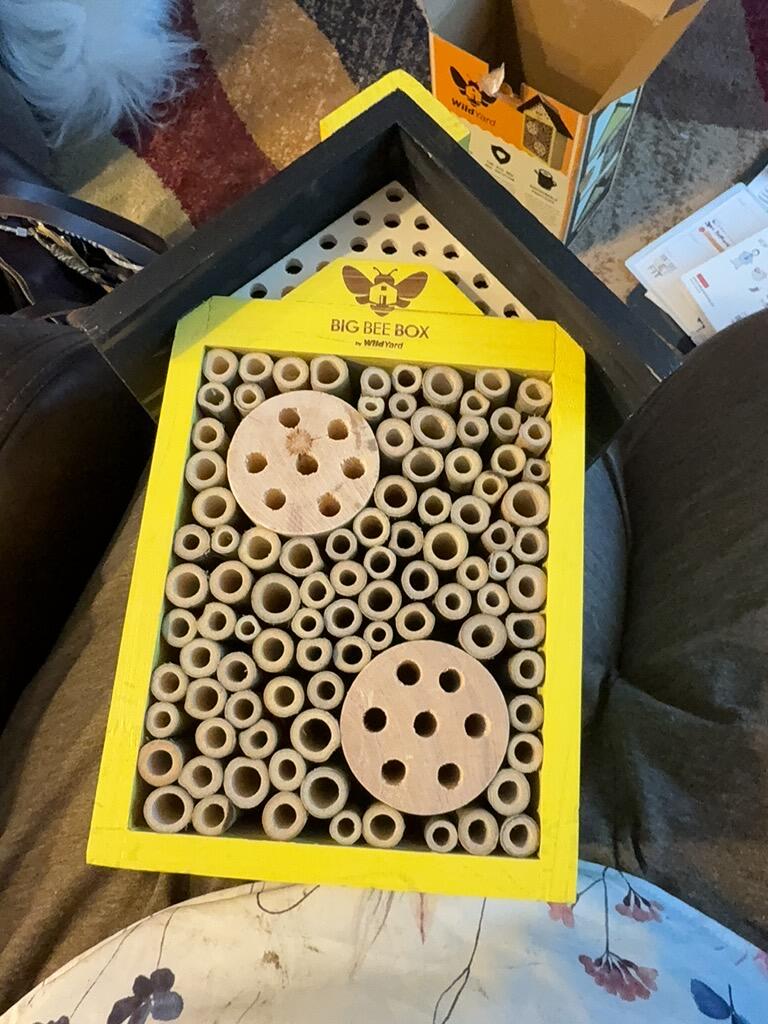
Handcrafted from cedar, bamboo and ply, this bee habitat offers nesting tubes in a range of diameters so different solitary bee species can each find a cavity that fits. Mount it in spring and it works as a nesting site through the season.
Varied tube diameters. Solitary bees are particular about cavity width — mason bees and leafcutters want different bores. A mix of diameters supports a wider range of species than a uniform block.
Solitary bees, not a hive. These are not honeybees and there is no colony, no queen and no honey. Solitary bees are docile, sting rarely, and are the most effective garden pollinators you can host.
Where to put it. Face it south or south-east at roughly chest height, sheltered from driving rain, with flowering plants nearby. Bees need forage within a short flight of the nest.
Cedar, bamboo and ply. Cedar resists rot without chemical treatment; the bamboo tubes give a natural nesting surface. Left to weather it settles into the garden rather than standing out against it.
Seasonal care. Nesting runs spring through late summer, and sealed tubes mean occupancy. Leave them undisturbed over winter — the next generation is developing inside.
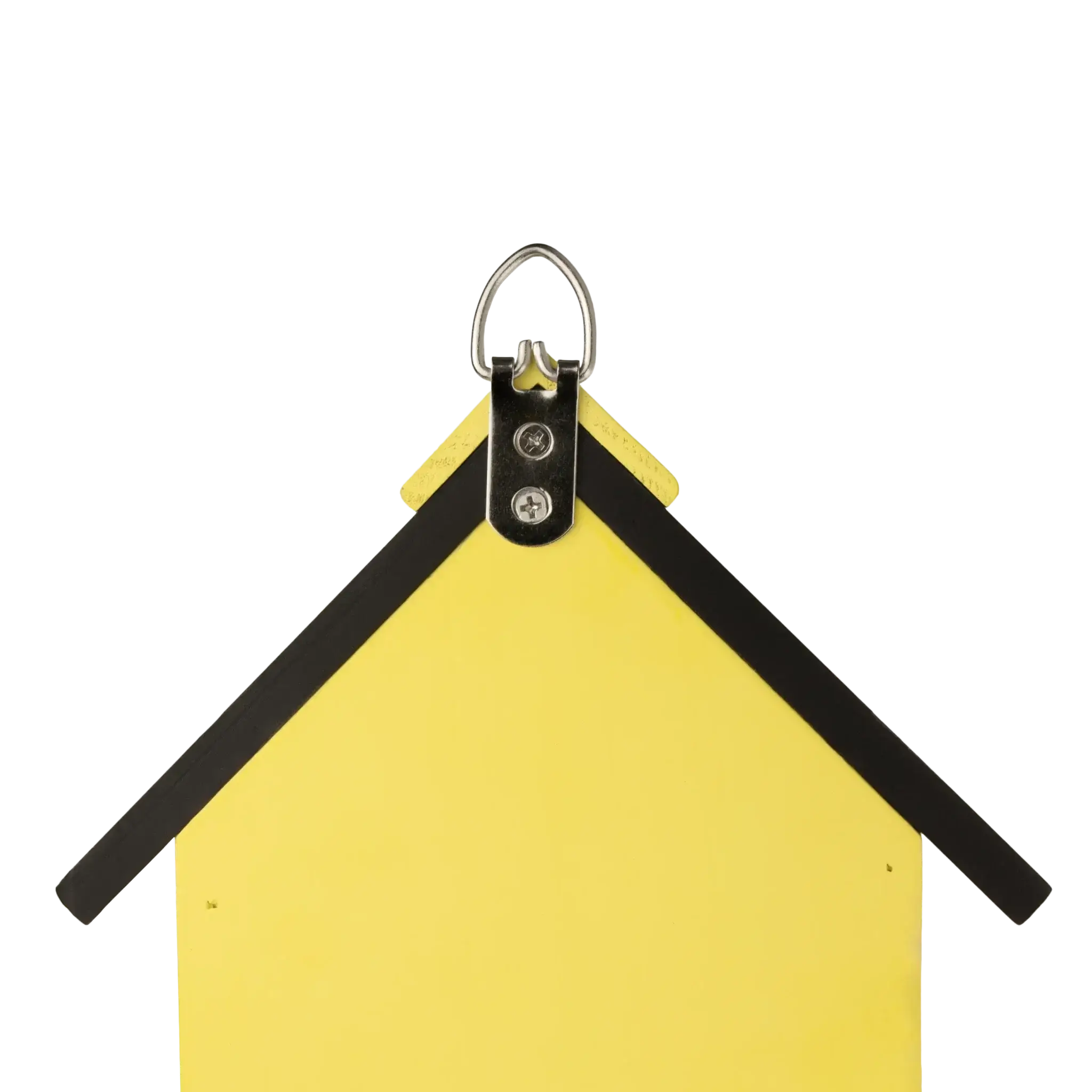
Handcrafted, built to last. Arrives fully assembled and ready to mount. No expertise required.

Buy It With

Why a bee box + FAQs
A bee box brings helpful pollinators to your garden, boosting blooms and vegetables. Made from eco-friendly bamboo, it gives solitary bees a safe place to nest and lay eggs. It’s easy to hang, built to last through any weather, and adds a cheerful touch to your yard. By supporting bees, you support your garden and the planet at the same time.
Our bee box is designed for solitary pollinators like mason bees, leafcutter bees, resin bees, and other beneficial insects.
The variety of hole sizes in the box supports multiple species, encouraging a healthy mix of pollinators in your garden. These bees are highly effective at pollinating fruit trees, vegetables, and flowers.
Mount the box in a sunny, sheltered location facing south or southeast, about 3–5 feet (1–1.5 meters) above the ground.
Position it near flowers, shrubs, or fruit trees for easy access to food. Avoid areas sprayed with pesticides or herbicides, as these can deter or harm pollinators.
No—solitary bees like mason and leafcutter bees are non-aggressive and rarely sting. They don’t defend their nests the way honeybees or wasps do.
Stings are extremely uncommon and only occur if a bee is mishandled. They’re safe around children and pets, making them perfect for home gardens.
Bees will find the box naturally, but you can increase success by placing it near flower-rich areas and keeping the surroundings pesticide-free.
A small water source nearby helps, as do plants that bloom in succession through spring and summer. With time, bees will use the tubes to lay their eggs, and you’ll see them seal openings with mud or leaves.
A bee box boosts pollination, leading to better harvests of fruits, vegetables, and flowers. Unlike honeybees, solitary bees don’t live in hives, so they depend on small cavities like those in this box for nesting.
By installing one, you’re supporting pollinator populations, improving biodiversity, and helping counter habitat loss—all while getting a healthier, more productive garden.


