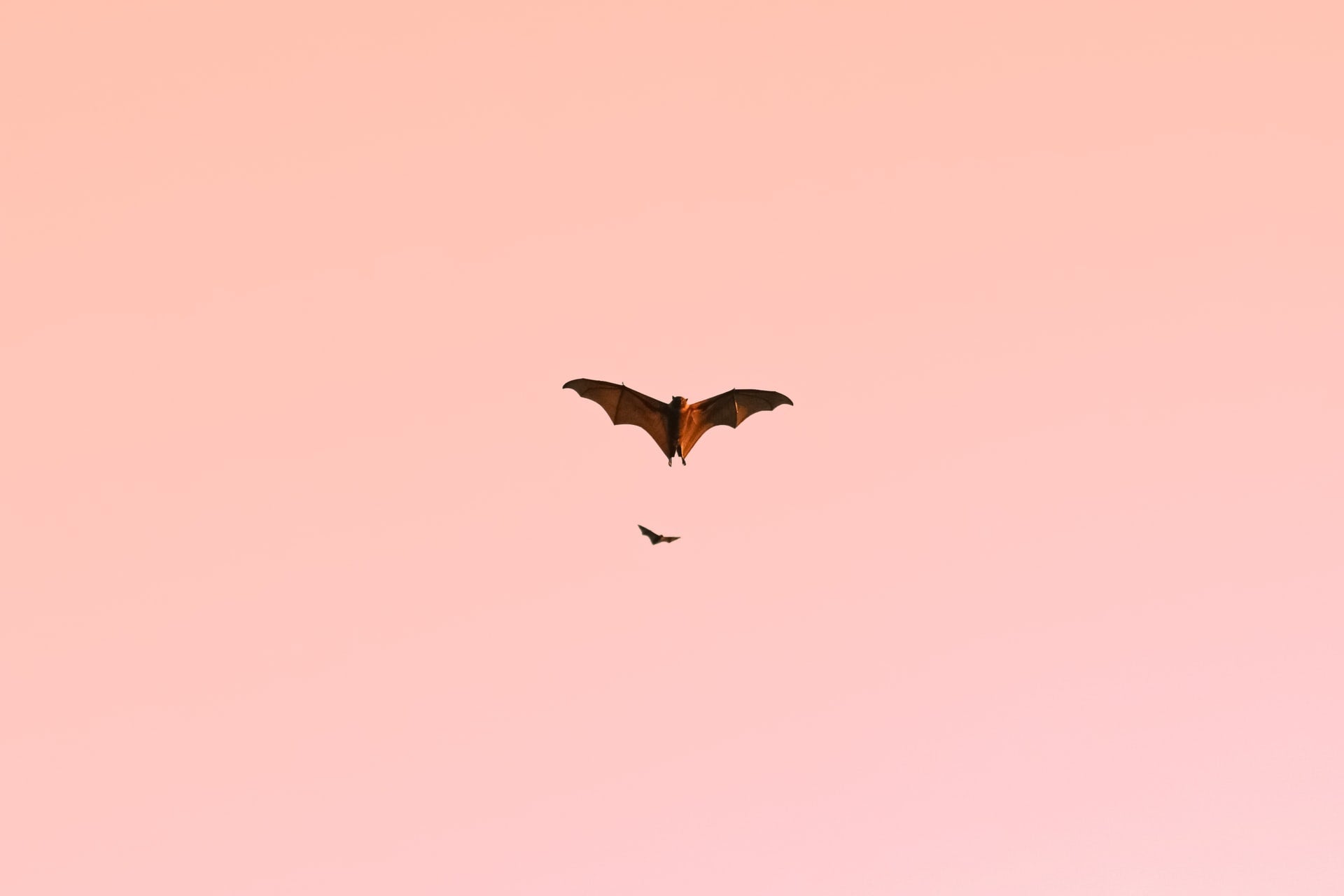
A bat box is a slim, sealed wooden habitat that copies the space behind loose tree bark, mounted high on a pole or building so a colony of insect-eating bats can roost in it. This article is the plain-English explainer: what a bat habitat is, how the chambers inside it work, who it suits, and what separates one that fills up from one that stays empty.
It is the housing side of the story rather than the animal side. If you want the background on bats themselves first, start with our 9 Bat Facts hub.
What Is a Bat Box?
Strip away the branding and a bat box is a narrow vertical cavity with a rough interior surface and an open bottom. Bats land underneath, climb up into the gap and wedge themselves against the walls. There is no floor, no perch and no entrance hole in the birdhouse sense, because bats need none of that. What they need is a tight, warm, dry crevice they can grip.
The design copies a standing dead or dying tree. Bark lifts away from the trunk and leaves a slot a few centimetres deep: warmed by sun, sheltered from rain, awkward for predators to reach. Standing deadwood is exactly what managed landscapes have removed. A bat habitat puts that structure back.
What the Chambers Do
Chambers are the internal partitions that divide the cavity into parallel slots, each roughly 19 to 24 mm wide. That width is not arbitrary. It is the gap a bat can brace itself across, close enough on both sides to feel secure.
More chambers do two things. They add capacity without making the habitat wider than bats will actually use. And they create a temperature gradient across the depth of the box. The chamber nearest the sun-facing wall runs warmest, the innermost runs coolest, and the colony moves between them through the day and across the season.
That gradient matters most for maternity colonies. Pregnant and nursing females need sustained warmth, so they take the hot chamber, and the same colony shifts inward during a heatwave rather than abandoning the habitat entirely. A single-chamber box gives bats one option. A multi-chamber habitat gives them a choice, which is why occupancy rates run consistently higher.
Who a Bat Habitat Suits
A good fit if you have:
- A mosquito or garden insect problem you would rather not spray your way out of.
- An open mounting spot with at least six hours of direct sun and clear air beneath it, on a pole or a building wall.
- An existing bat population in the area, ideally within flying distance of water.
- An interest in something visible to look after, and kids who will check on it.
Less of a fit if your only option is a heavily shaded garden, a mounting height under about four metres, or a spot with tree branches crowding the flight path underneath. Bats need a clear drop below the habitat to launch into.
If you’re wondering why bat habitats matter in the first place, our post on Why You Need a Bat House covers how they help with pest control and local wildlife.
11 Things to Know Before You Choose One
Enough with the small talk. Here is what actually decides whether a bat habitat works.
- Like a Dead Tree
Bats prefer a dead tree to almost anywhere else. It is close to predator free, and the space between bark and trunk offers shelter plus a gap tight enough to squeeze into.
Why do bats take to a well-built habitat so readily? Because it reproduces that same roosting environment.
- More Art than Science
A range of factors decide whether a habitat fills with mosquito-eating bats. It is not an exact science, and anyone who tells you otherwise is overselling.
You will need to get several specific things right during setup. Just know there is no guarantee, because we are dealing with wild animals. It is more art than science.
- Colour Matters
You often see bat habitats left unpainted on the outside. That is a reliable sign they will not attract bats. The exterior finish has to be right to hold the correct internal temperature.
In colder climates, a habitat should be darker to absorb sun. In hot weather, a lighter colour keeps interior temperatures in the range nursing females need.
- The DIY Trade-Off
Plenty of organisations promote DIY bat habitats. You can certainly build one from scrap timber and a handful of nails. Whether it attracts a colony is another question.
Bats are particular about where they settle. Chamber width, interior roughness, sealing against draughts and the right internal temperature all have to be right. Miss those and the box stays empty.
- 200-400 Bats Maximum
We have seen habitats rated for 600 or 700 bats. That is not going to happen for the vast majority of customers. Most colonies come in under 200 bats in total, which is why we designed the Big Bat Box to hold up to 200.
Bigger is not automatically better. A well-built habitat sized for 200 bats can clear your mosquito problem. A poorly built one rated for 600 may never attract a single bat.
- Mounting Matters
Any habitat worth buying comes with detailed mounting instructions, because mounting is decisive. Mount your Big Bat Box properly and you sharply increase the odds of a colony establishing in it.
Get the position wrong and there is a slim chance bats ever move in. A serious manufacturer will tell you exactly how and where to place it.
- Merlin Tuttle Bat Conservation Certified
If you want a habitat that genuinely works, look for Merlin Tuttle Bat Conservation certification. MTBC tests bat habitats and certifies the designs that pass their testing procedures.
Certification means the product is built to a standard shown to attract bats, and that it ships with proper mounting guidance.
- Always Be Testing
Installing a habitat does not have to be permanent. Try different positions around your property. Move it every three months, test three or four locations, and see which part of your land draws bats.
- Keep Cats Away
If cats roam your property, bats will be wary of the habitat. Cats are predators and they will take bats. Even at six metres up, a cat can scale a post.
Keeping cats indoors, particularly around emergence time at dusk, meaningfully improves your chances.
- Always Look Online
We are biased here at Big Bat Box, but start your search online regardless. Most habitats sold in nature or pet stores are built down to a price for mass production, and it shows in the details that decide occupancy.
Keeping your habitat in good condition is key to long-term success. Read our 5 Best Tips for Bat House Maintenance to make sure your setup lasts for years.
Your Best Bet
A bat habitat is your best chance of attracting bats to your property. Whether you want to solve a mosquito problem or simply watch these animals work your garden at dusk, a Big Bat Box will bring them in.
If you’re looking for the best bat habitat on the market, just click here. We designed the Big Bat Box to get more bats on your property than ever before. Just listen to one of our happy customers:
“I took the survey below and also wanted to keep you apprised of the progress on my bat house. We finally have bats! My husband saw the bat guano underneath the house when he was up on the roof a few weeks ago cleaning the gutters. I’m not exactly sure what we have, but based on the size of flying bats we’ve seen, I’m guessing they’re little brown bats.We live on the south side of the Big Thompson River, just west of Estes Park, at the foot of Giant Track Mountain close to the Beaver Meadows entrance of Rocky Mountain National Park. I’d say we’re about 200 yards from the river. We’re on the north slope of the mountain, so it’s cooler here and gets less sun. The bat house is mounted on the east side of our house. Our elevation here is about 7,800 ft.
The Big Bat Box bat house is the best-constructed bat house I’ve ever seen, and I know a little about bat houses since we sold them for years at a retail store we used to have. I was also impressed with the map showing what exterior color one should request based on where one lives. As the new owner, I think you have a great company. We tried for years, beginning nearly 30 years ago, to get bats in various locations in Colorado. This is the first time we’ve ever had success. It may be the location, but I also think it’s the Big Bat Box!” - Lisa in Colorado